


 03 9070 5784
 Help & Support
 Track My Order



Recently Viewed

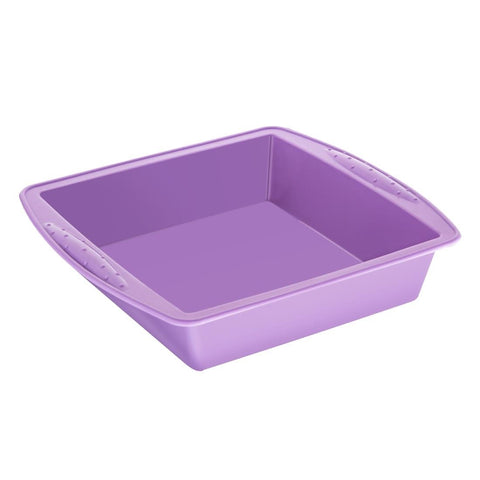

 Hygiplas Flexible Silicone Square Bake Pan Purple 245mm - CX049
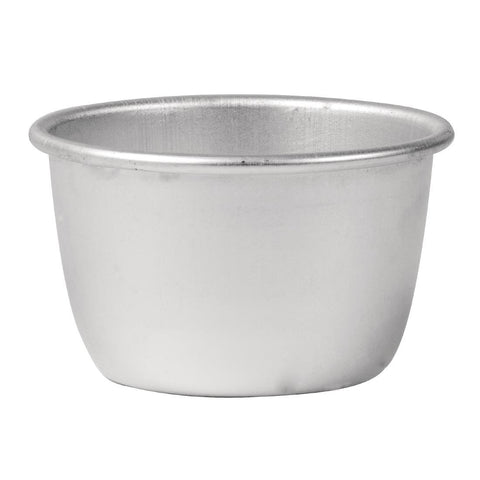

 Vogue Aluminium Mini Dariole Mould 170ml - E047
85(W) x 50(H) x 85(D)mm

 Vogue Aluminium Mini Dariole Moulds 100ml (Pack of 6) - K514
65(W) x 40(H) x 65(D)mm

 Vogue Stainless Steel Dariole Mould 60 x 55mm - K519
55(W) x 60(H) x 55(D)mm

 Vogue Aluminium Extra Deep Mini Dariole Mould 128ml - K516
65(W) x 60(H) x 65(D)mm

 Vogue Aluminium Extra Deep Mini Dariole Mould 114ml - K517
55(W) x 50(H) x 55(D)mm

 Vogue Aluminium Mini Dariole Moulds 85ml (Pack of 6) - K513
60(W) x 35(H) x 60(D)mm

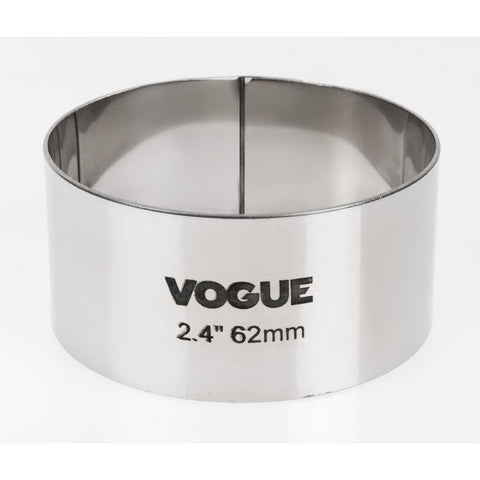
 Vogue Mousse Ring 35 x 90mm - CC057
90(W) x 35(H) x 90(D)mm

 Vogue Mousse Ring 60 x 90mm - CC058
90(W) x 60(H) x 90(D)mm

 Vogue Mousse Ring 60 x 70mm - CC056
70(W) x 60(H) x 70(D)mm


 Vogue Non-Stick Dariole Moulds 65mm - GC981
65(W) x 60(H) x 65(D)mm

 Vogue Flexible Silicone Square Bake Pan 245mm - DA532
245(W) x 55(H) x 245(D)mm

 Vogue 1.5lb Flexible Silicone Loaf Pan - DA525
130(W) x 60(H) x 255(D)mm
Kitchen moulds hold a preparation in a set shape while it bakes, sets or chills, so a terrine, a dariole, a timbale or a ring-moulded salad comes out the same on every plate.
The range splits by material, and the material is what you choose on. Aluminium food moulds are light and heat quickly. Stainless steel food moulds are the most durable and the easiest to keep hygienic. Silicone food moulds flex, which is what releases a delicate set without breaking it.
Beyond material, the decisions are size, whether the mould has a base, and whether it goes in an oven, a blast chiller or both. Each product page carries the dimensions and any temperature rating. Buy the sizes you are plating now and add more as your business grows, and keep them with the pastry and baking supplies and baking trays they sit on.
Deciding how many of each material a pastry section should hold? The price guide lists the aluminium, stainless and silicone moulds together, so you can work down the shapes you plate most.
Stainless for durability and for anything handled constantly. Aluminium where speed of heating matters and weight is a factor. Silicone where release is the hardest part of the job.
Most pastry sections hold all three because they do different jobs. See aluminium food moulds, stainless steel food moulds and silicone food moulds.
A bottomless ring mould is used on a tray or a plate and lets you build and lift in place, which is what a plated salad or a layered dessert needs. A mould with a base holds liquid and is for setting and baking.
Ring moulds are far more flexible and need a flat tray under them — see commercial baking trays and commercial baking mats.
Match the method to the material. Grease and line for metal, chill before turning out for anything set, and flex rather than tap for silicone.
For a set mousse or parfait, wrap a warm cloth around the metal mould for a moment rather than forcing it out. Chilling it properly first is what makes the release reliable — holding equipment is in commercial holding cabinets.
Silicone generally handles both and metal handles the oven well, but thermal shock is the thing to watch and the rating is on the product page rather than being general.
Never take a hot metal mould straight into cold water. That is what warps a thin mould permanently. See specifications for how we list the ratings.
One portion size used for most plates, and one larger format for terrines or sharing dishes. Buying a dozen of the everyday size beats buying one of six different sizes.
Count them against your dinnerware plates, because the mould has to sit comfortably on the plate it is served on.
Soaked first, then washed, because anything that sets in a mould sets into the corners. A commercial dishwasher handles most stainless and silicone moulds where the product page allows it.
Aluminium is the one to check, since detergents can dull or mark it. See dishwashing accessories for the brushes that reach into a narrow mould.
Metal moulds usually do for anything baked or set with sugar, and baking papers or a thin film is the normal answer. Silicone generally does not, which is most of its appeal.
Lining also makes a mould last longer, because less is scraped out of it.
Enough of the everyday size to cover a full service without washing mid-shift. Each mould holds a portion until it is turned out, so the count you hold is what caps the number of plates you can have set at once.
Work from covers rather than from a round number. The rest of the pastry equipment is in pastry cutters and rollers and commercial bakery accessories.
On a flat tray in the cold, somewhere it will not be knocked. A mould on an uneven shelf sets at an angle and the plate shows it.
A dedicated shelf in a pastry fridge or on a racking trolley is the usual answer.

We have a special page just for stock that's warehoused in Perth.
Click Here to see all WA stockWhat our customers say about us on Google, and how Google scores our store for things like shipping and returns.
Store scores from Google