


 03 9070 5784
 Help & Support
 Track My Order



Recently Viewed


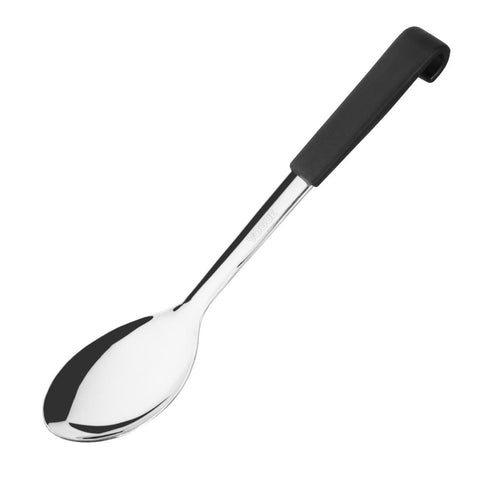




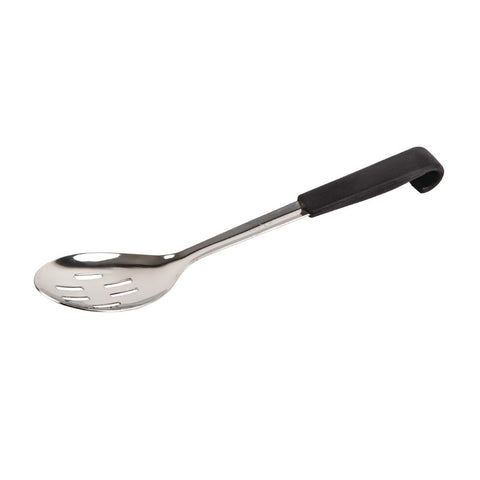

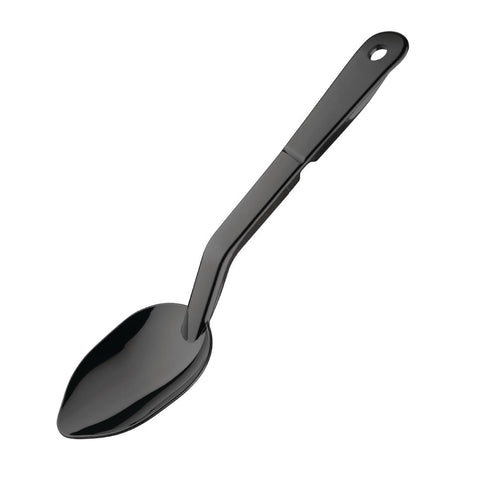
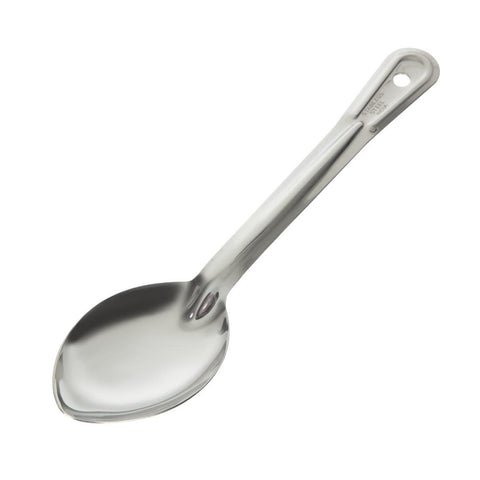
 Vogue Slotted Serving Spoon Black Handle 340mm - CS911



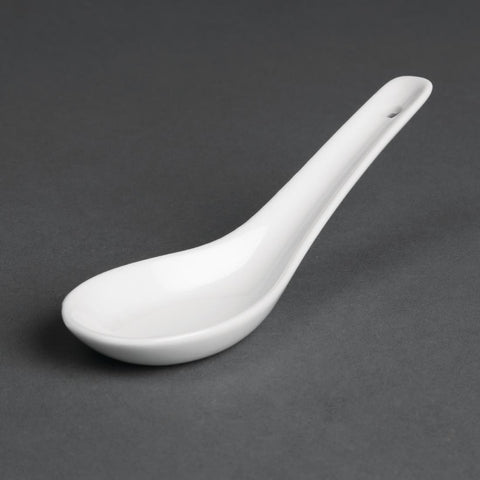

 Olympia Whiteware Rice Spoons 130mm (24 Pack) - C325



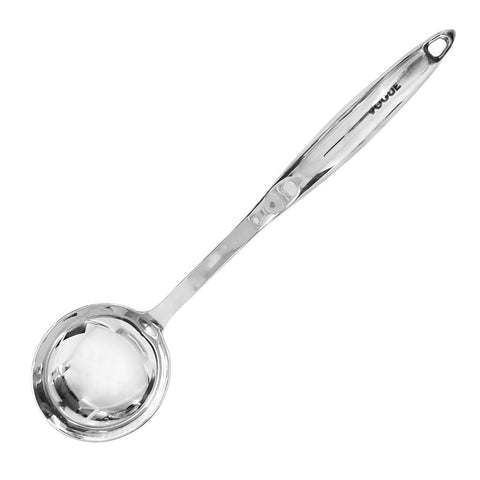

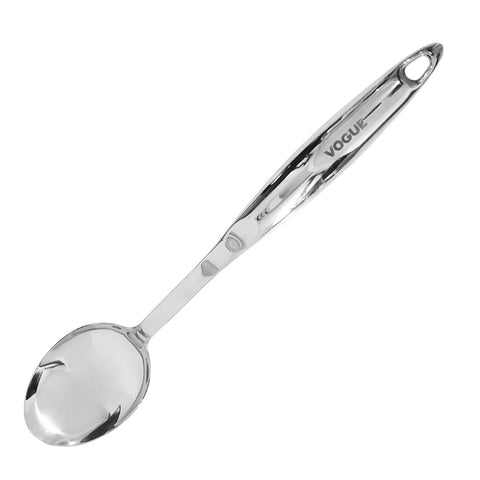

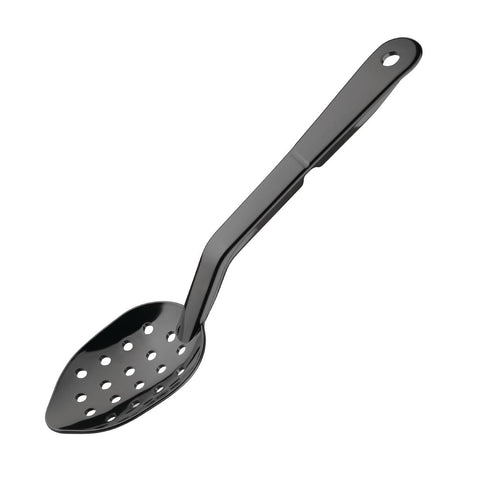
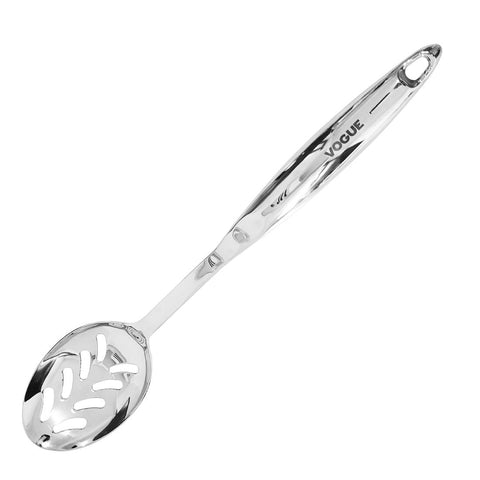
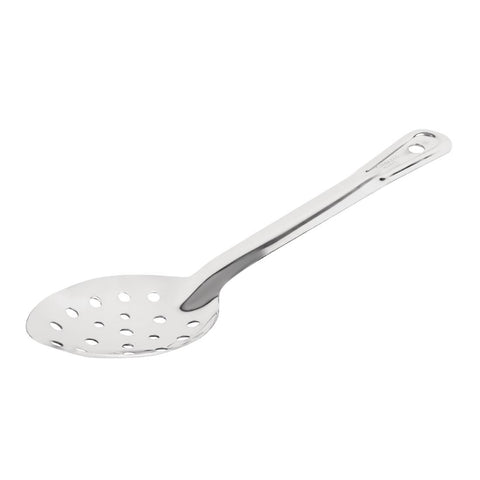
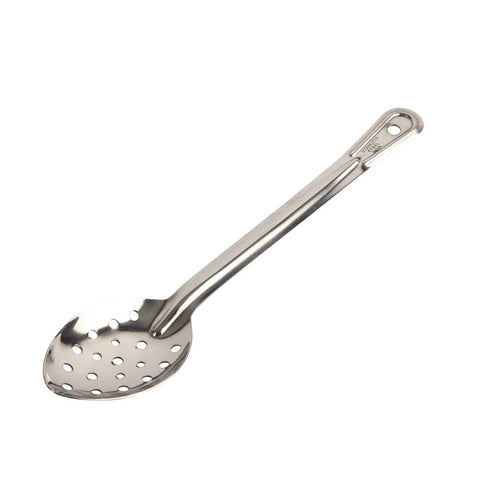
 Vogue Perforated Serving Spoon 280mm - Y549
280(W) x 20(H) x 5(D)mm
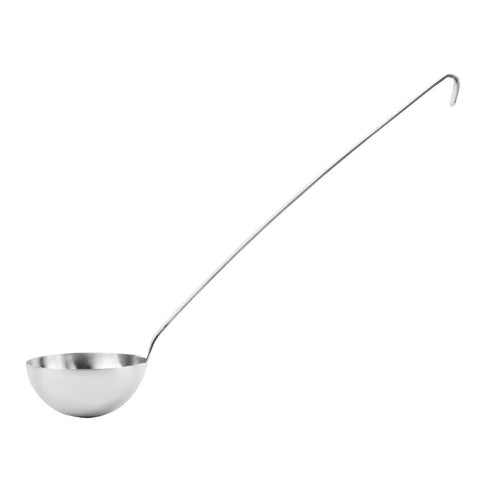

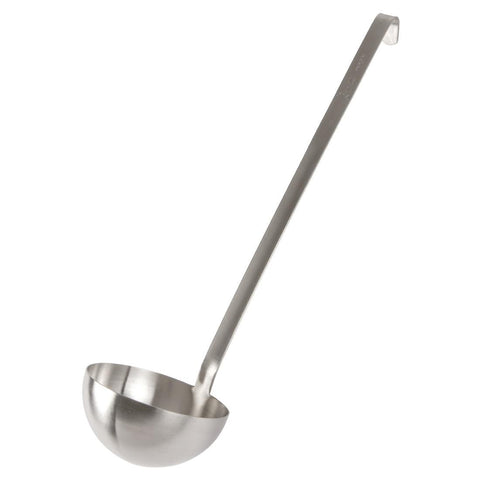




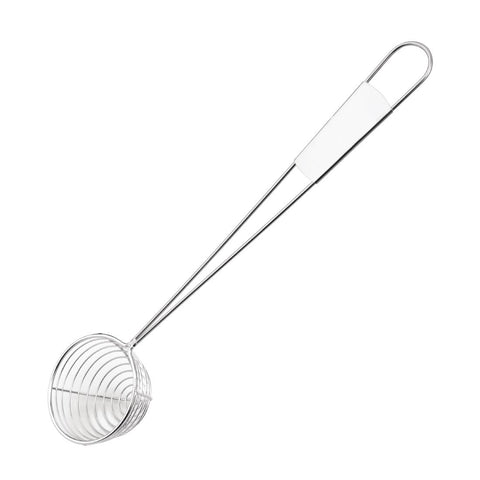
 Vogue Perforated Serving Spoon with Hook 355mm - L671







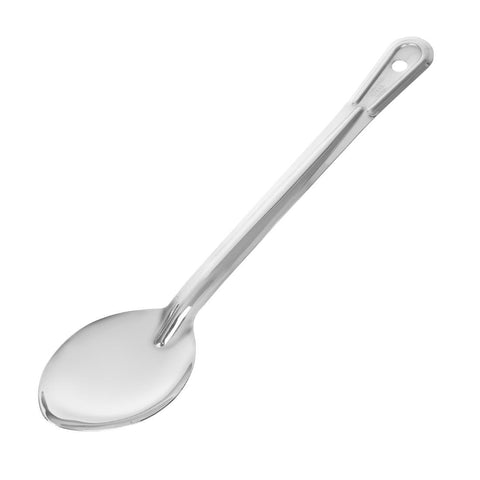

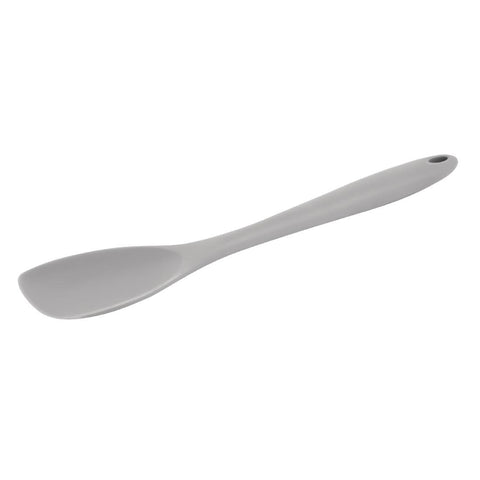

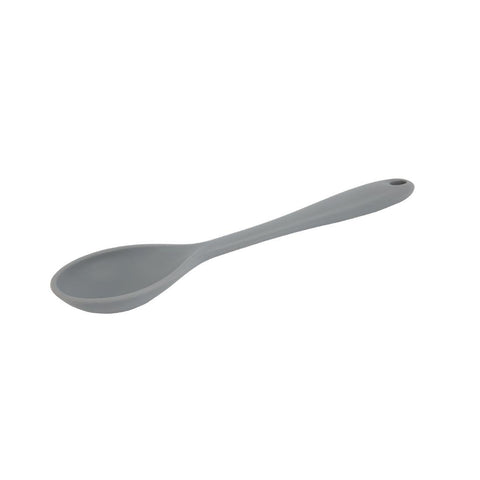
 Vogue Silicone High Heat Cooking Spoon 275mm - DA523
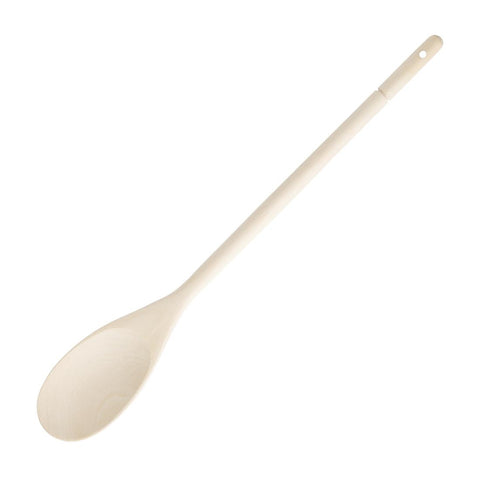

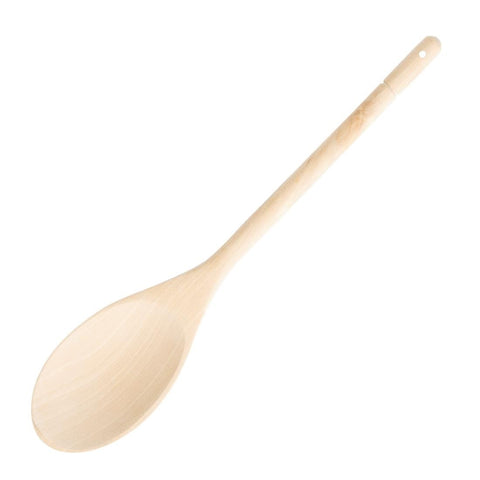

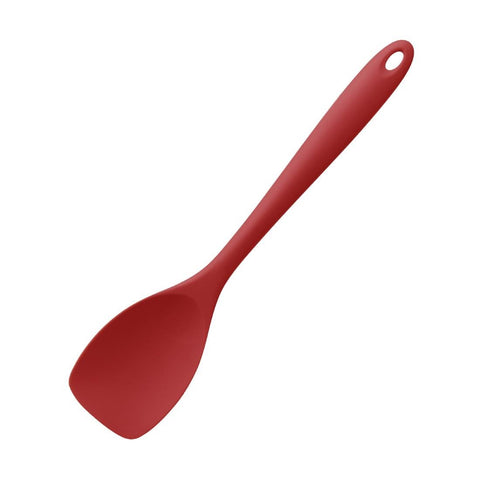


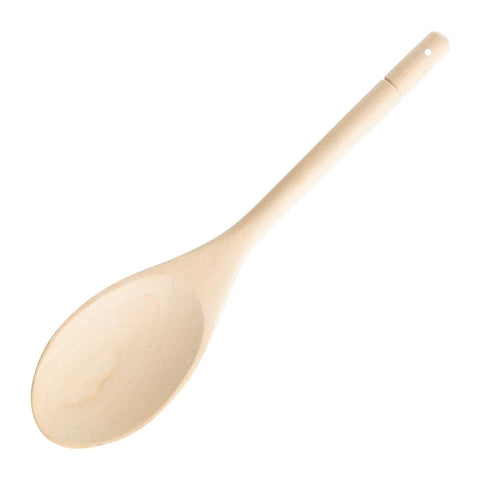


A spoon does four jobs in a commercial kitchen: stirring a pot, lifting product out of liquid, portioning to a plate and serving from a bain marie. Each one wants a different bowl, a different handle length and a different finish, so most kitchens end up with spoons of several types rather than one.
The splits are straightforward. Cooking spoons are long-handled for reaching into a deep pot. Serving spoons are shorter and presentable. Ladles are sized to a portion. Spoonulas scrape as well as stir.
How long they last comes down to the material. Stainless spoons take heat and a machine wash, and 304 stainless steel is the food-safety grade used in Australian commercial kitchens. Nylon and silicone are the answer for non-stick surfaces, and they have a temperature limit that is stated on the product page.
The price guide sets out the cooking, serving, slotted and ladle lines in one place, which makes it easier to decide how many of each type a station holds.
Four as a minimum: a long-handled solid spoon for stirring, a slotted or perforated spoon for lifting out of liquid, a ladle sized to your portion, and a serving spoon for the pass.
After that it is menu-specific. A rice section wants a paddle, a sauce section wants spoonulas, and a buffet wants matched service pieces.
Solid for stirring and for anything where you want the liquid. Slotted for lifting vegetables and pasta while letting water drain. Perforated for finer product where a slot is too wide.
A kitchen with one solid spoon ends up using a colander for jobs a slotted spoon would do in seconds.
Long enough to reach the bottom of your deepest pot with your hand clear of the rim. Anything shorter and someone is reaching over steam.
For stock pots and boiling pans that is considerably longer than a domestic spoon. Handle lengths are listed per product and specifications explains how we present them.
Stainless for general cooking, service and anything that goes through a machine. Nylon or silicone where the pan surface is coated, because steel will score it.
Nylon and silicone have a stated heat limit, which is on the listing. Steel does not, which is why it stays on the line and the others stay with the non-stick pans.
If plate consistency matters, yes. A measured portion spoon or a sized ladle takes the judgement out of it and makes food cost predictable.
For buffet and canteen service that is the single biggest control available. See measuring spoons and cups for the smaller measures.
Stainless generally can, and a commercial dishwasher is the easiest way to get fat off a bowl. Composite handles and silicone depend on the product, so read the listing.
Dry them rather than stacking wet. Water trapped in a hollow handle is what leaves marks and smells.
Bowl down in a cylinder at the station, or hung by the handle. Loose in a drawer with knives is bad for both, which is what cutlery storage and knife storage exist to separate.
Service spoons should be stored clean and dry where they will not be handled by the bowl. On a buffet, use the rest in the buffet and table service range.
Enough that a dirty spoon is replaced rather than wiped. In practice that is several of each type per station, because a spoon that has touched one dish should not go into another.
They are also the item most likely to end up in the bin with the scrapings. Budget for replacement alongside the rest of the kitchen cutlery.

We have a special page just for stock that's warehoused in Perth.
Click Here to see all WA stockWhat our customers say about us on Google, and how Google scores our store for things like shipping and returns.
Store scores from Google