


 03 9070 5784
 Help & Support
 Track My Order



Recently Viewed
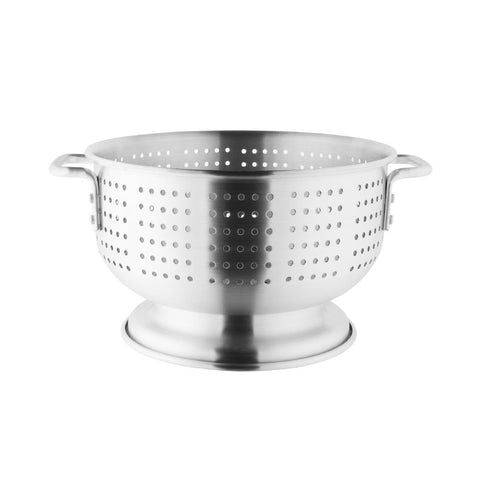

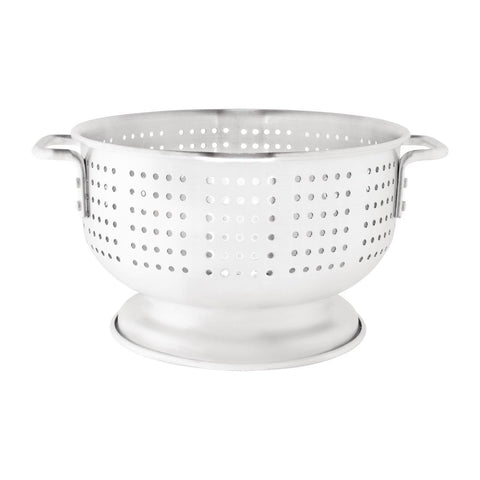

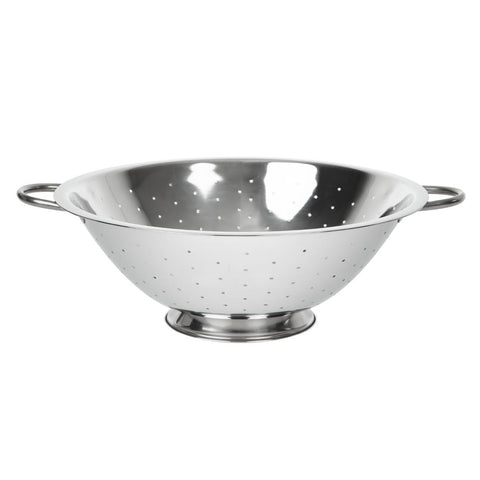

 Vogue Stainless Steel Colander 355mm - K349
355(W) x 134(H) x 355(D)mm
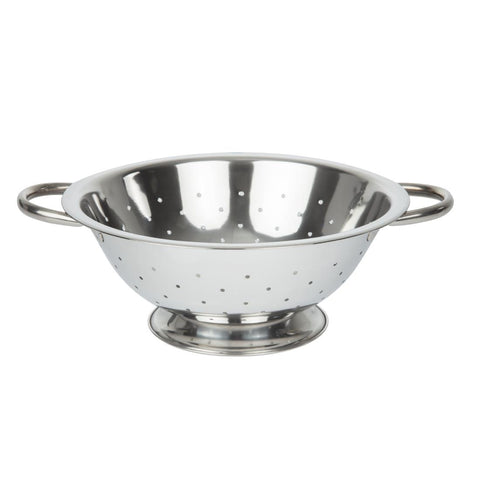
 Vogue Stainless Steel Colander 220mm - K331
220(W) x 95(H) x 220(D)mm
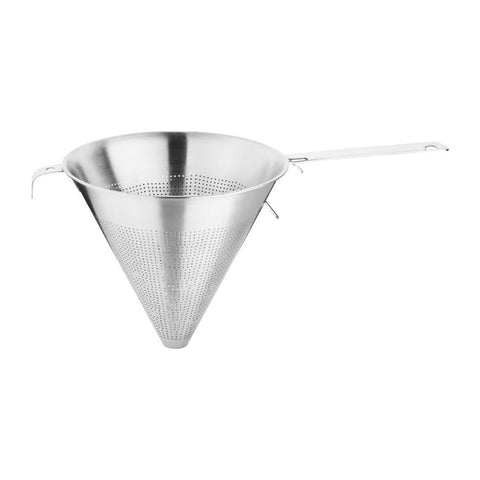


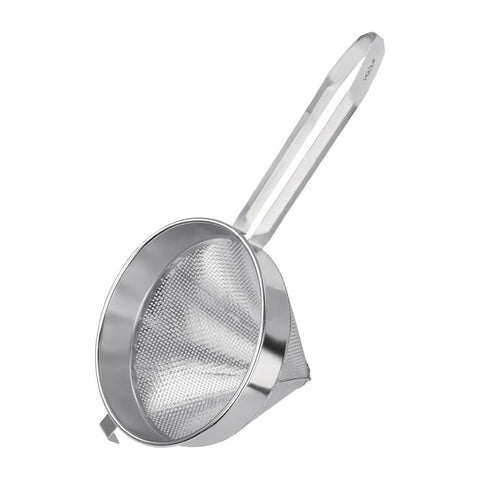
 Vogue Conical Strainer 180mm - J593
180(W) x 50(H) x 180(D)mm
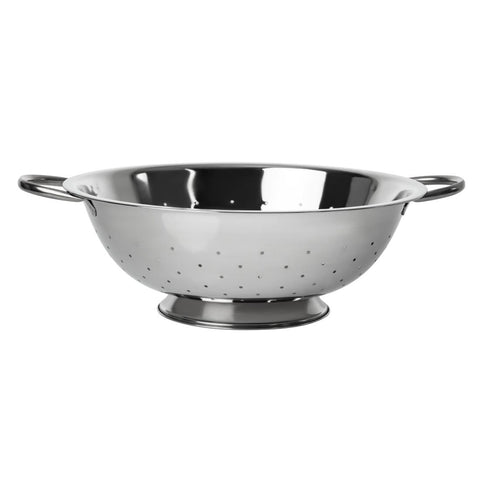
 Vogue Stainless Steel Colander 305mm - K348
305(W) x 124(H) x 305(D)mm


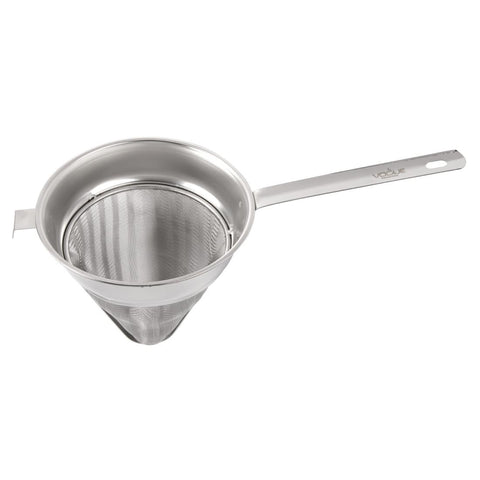

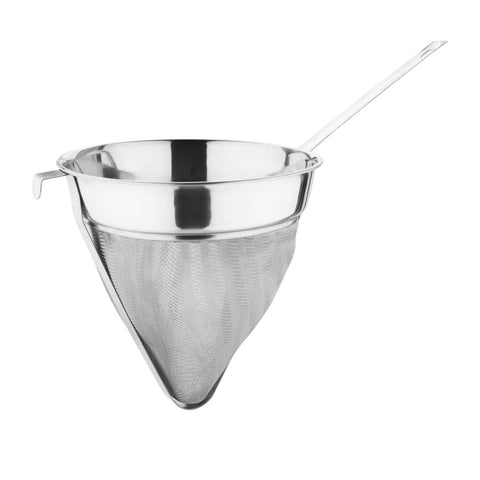


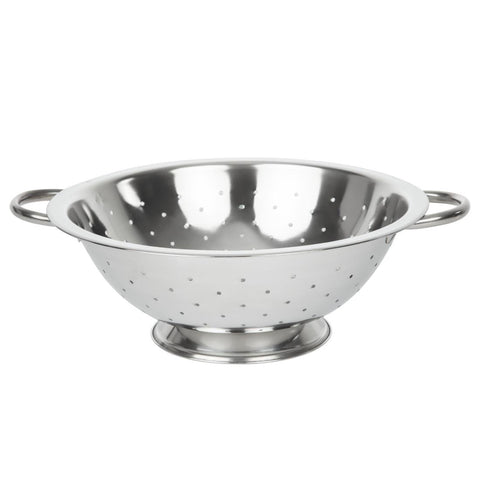
 Vogue Stainless Steel Colander 255mm - K347
290(W) x 105(H) x 290(D)mm
A commercial colander drains pasta, rice and vegetables by the potful, which is a different job from the one a domestic colander does. A professional colander has to take the weight of a full pot of pasta without buckling, drain fast enough that the food is not sitting in its own water, and stack flat so it does not own a whole shelf.
There are two materials in regular use. Aluminium is light, cheap and conducts heat, so it is the high-turnover choice. Stainless is heavier, more durable and does not react with acidic food, so it is the choice for anything that sits in the colander for a while. An industrial colander in either material is built heavier than a domestic one at the same diameter.
The things to compare are diameter, the perforation pattern and the base. A footed or flat-based colander sits in a sink without the holes being blocked; a rounded one needs to be held or rested in a larger bowl.
Colanders split into aluminium colanders and stainless steel colanders. For finer work, see commercial strainers and conical strainers and chinois.
Buying colanders across several stations? The price guide lists the aluminium and stainless sizes with prices, so three sizes is easy to cost against one.
Large enough to take the biggest single drop of pasta in one go. Draining a batch in two lots means the first half sits and sticks while the second drains, which is where gluey pasta comes from.
Then hold a smaller one for portions and a mid-size for vegetables. Three sizes covers nearly every kitchen; one compromise size covers none of them well.
Aluminium for speed and weight — it is lighter to lift full, cheaper to replace and perfectly fine for pasta, rice and vegetables. The limit is acidic food, which reacts with bare aluminium.
Stainless lasts longer and is inert, which matters for tomatoes, citrus and anything held in the colander rather than drained and moved. 304 stainless steel is the food-safety grade used in Australian commercial kitchens.
A colander is a bowl with large holes for draining bulk. A strainer is a finer mesh for separating solids from liquid you intend to keep, such as stock or a sauce.
Using a colander where you need a strainer puts sediment through; using a strainer for pasta is slow and the mesh clogs. Keep both — see commercial strainers.
More than the diameter does. A flat or footed base lets the colander stand in a sink with the drain holes clear, which means it drains unattended while you do something else.
A rounded base has to sit inside something, and if that something is a sink full of water the food sits in it. Check the base in the photos rather than assuming.
On a commercial colander they should, and that is a real difference from a domestic one. Riveted or welded handles carry weight; a handle pressed out of the same thin sheet as the body will bend with a full pot of pasta in it.
Look at how the handle is attached. It is the first thing to fail and it is the reason colanders get replaced.
Through the machine, usually, and they come out better than by hand because the water gets through the perforations from both sides. Starch dries in the holes and is hard to shift once set.
Rinse immediately after use rather than leaving a starchy colander to sit. Aluminium can dull and stain in a commercial dishwasher over time, which is cosmetic rather than a problem.
Nested and inverted so water drains out. A stack of colanders stored upright holds a film of water in each one and that is what marks them.
They are bulky for their weight, so overhead kitchen wall shelves suit them better than a bench or a low cupboard.
Salad is the usual answer, and a colander is the wrong tool for it — wet leaves dress badly and wilt. A salad spinner removes far more water than draining can.
For frying work, a basket rather than a colander is the right tool. See commercial frying baskets for that end of it.

We have a special page just for stock that's warehoused in Perth.
Click Here to see all WA stockWhat our customers say about us on Google, and how Google scores our store for things like shipping and returns.
Store scores from Google