


 03 9070 5784
 Help & Support
 Track My Order



Recently Viewed
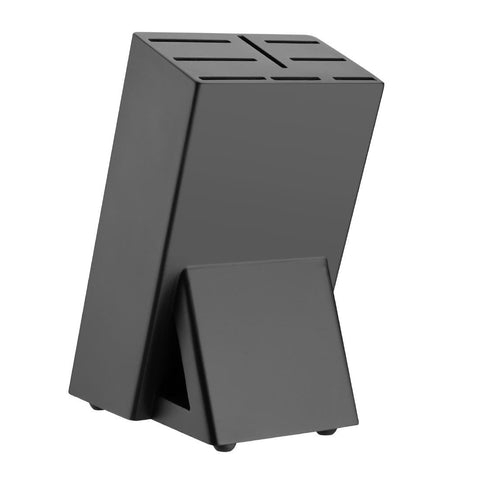

 Vogue Tsuki Black Wooden Knife Block - FS662
155(W) x 235(H) x 132(D)mm

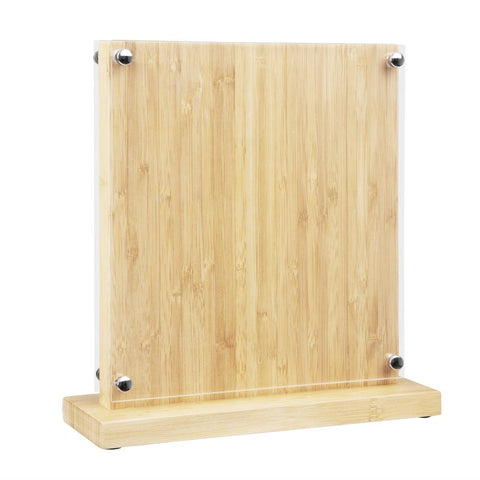
 Vogue Wood Acrylic Magnetic Knife Block - FS663
270(W) x 290(H) x 120(D)mm
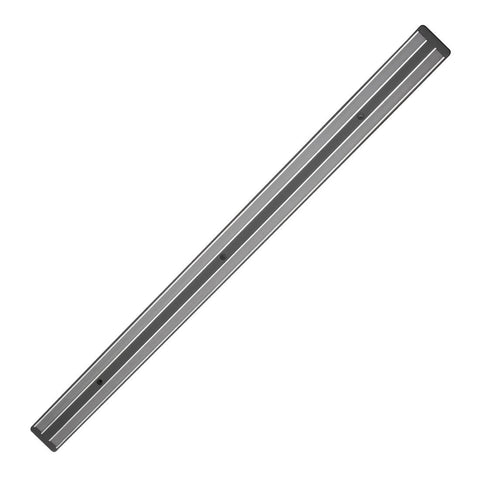

 Vogue Stainless Steel Magnetic Knife Rack 450mm - CP118
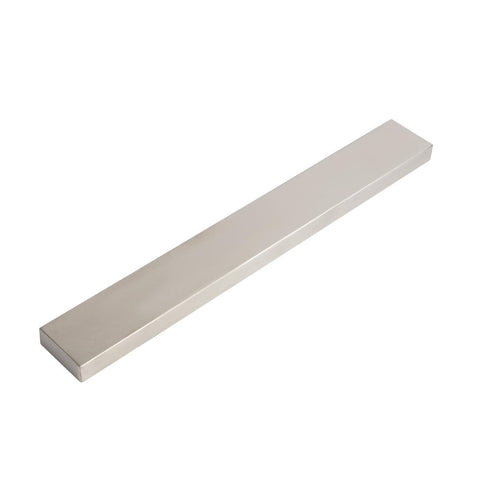
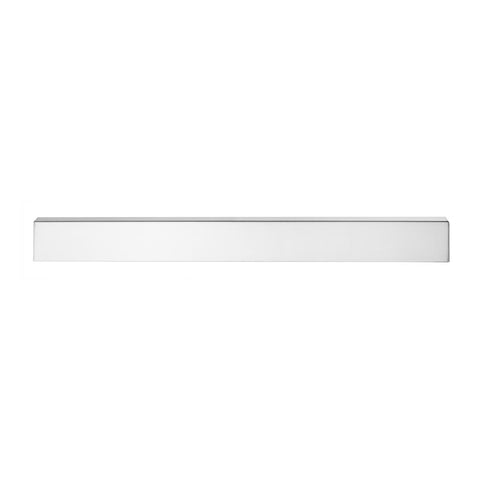
 Vogue Stainless Steel Magnetic Knife Rack 360mm - CP119
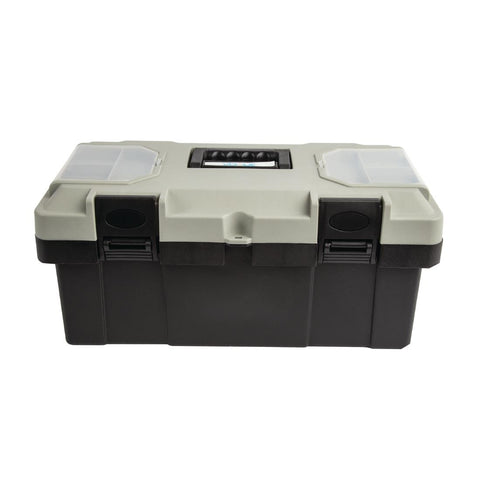
 Vogue Large Knife Box 45cm - CF701
240(W) x 455(H) x 210(D)mm

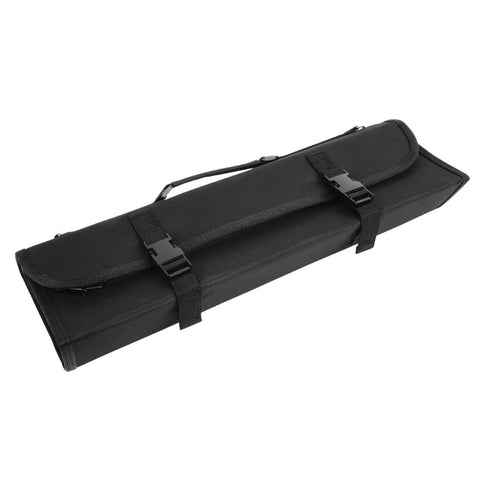

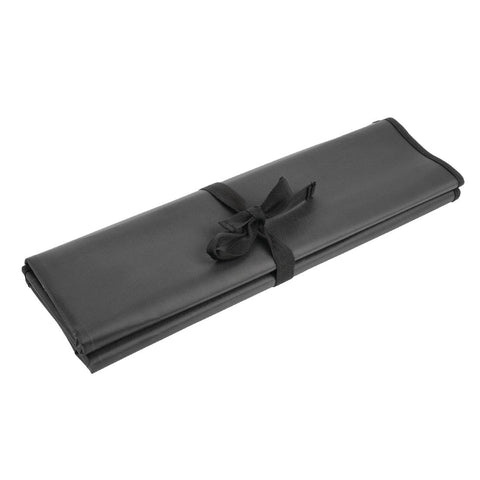
 Vogue Wipe Clean Knife Wallet - U628
460(W) x 150(H) x 40(D)mm
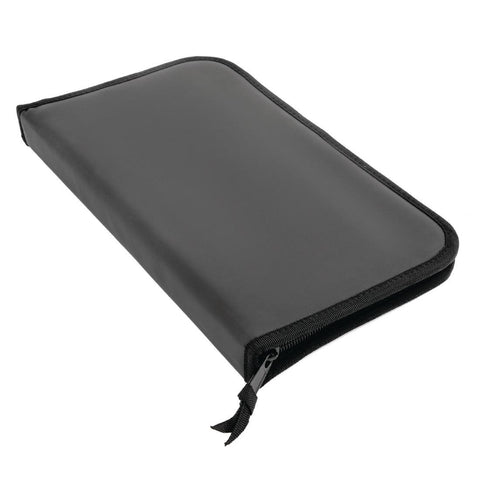
 Vogue 7 Compartment Knife Case - GD049
240(W) x 370(H) x 30(D)mm
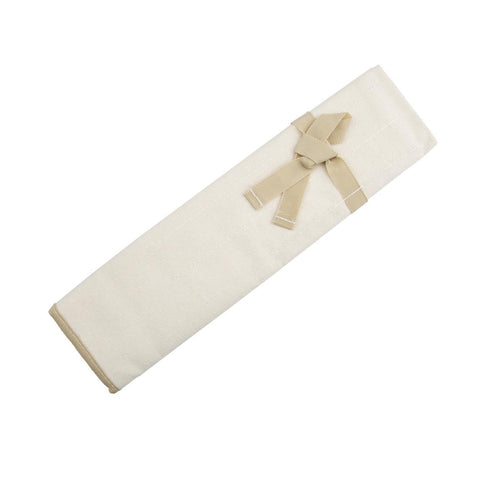

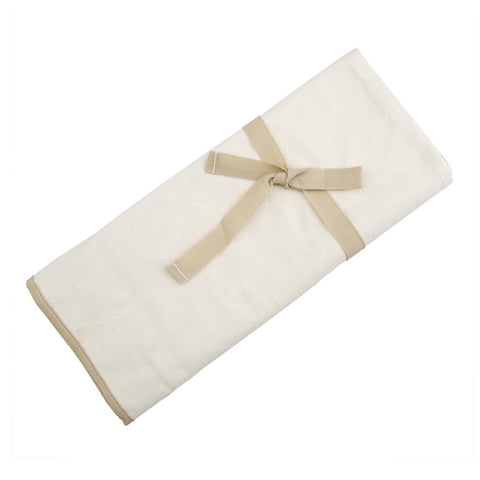

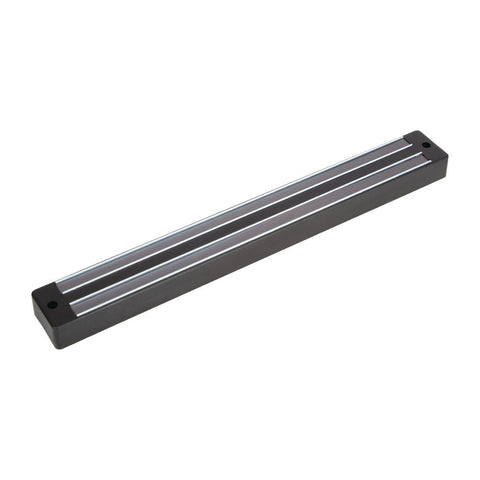

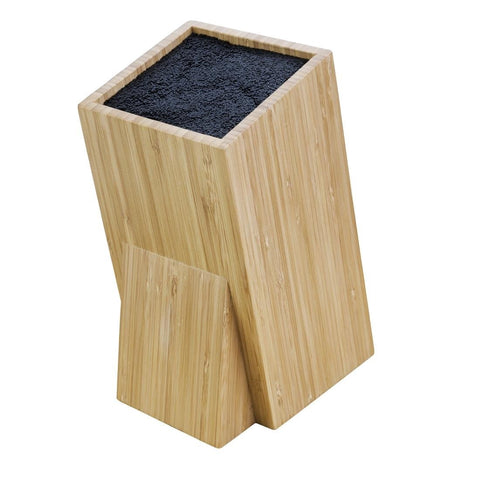
 Vogue Wooden Universal Knife Block - CP862
120(W) x 245(H) x 155(D)mm

 Edlund Knife Sterilizer Cabinet
Knife storage gives every blade in the kitchen a place to live between jobs, on the bench, on the wall or in a case that travels with the chef. Getting knives out of a drawer is the cheapest thing a kitchen can do to make them last: a blade loose in a drawer is blunted by everything it touches, and it is a hazard to anyone reaching in.
The three answers suit different benches. A knife block sits on a bench and holds a fixed set. A wall rack keeps blades visible and off the surface entirely. A knife case travels with a chef between sites.
Some suppliers list the category as knive storage. Whichever the label, the test is the same: can a chef take a knife and put it back one-handed, is the edge protected, and is a missing blade obvious at the end of the shift?
The price guide lists the blocks, wall racks and cases by how many blades they hold, so you can see what suits each bench before you order.
Three reasons: the edges knock against other steel and blunt, the blades move so you cannot see what you are reaching for, and tips break off against the drawer base.
If a drawer is the only option, use a drawer insert or edge guards. The cutlery storage range covers inserts for service cutlery, which is a different problem.
It follows the bench. A fixed prep bench with space suits a block. A tight line with no spare surface suits a wall rack. A chef who works across venues needs a case.
Many kitchens run two: a rack on the line and a case for the chef's personal knives.
Not for the steel, but a blade slapped onto a bare magnet chips at the edge. Racks with a timber or coated face solve that, and placing the knife spine-first rather than edge-first is the technique.
Magnets do not demagnetise or weaken a knife. See the wall rack range for faced options.
Blocks and racks generally should not — timber swells, and slots hold water where it cannot drain. Plastic inserts and some universal blocks can be washed, and the listing will say.
Everything in the knife storage category needs to be dried before knives go back in it. A damp slot is worse for a blade than a dry bench.
Storage with a designated place for each blade, so an empty slot is a stocktake. Count at close, not at the start of service when it is too late.
Label the storage to the station. Knives that belong to nobody in particular are the ones that leave.
Never in a sink, never in a bussing tub, never under water. A blade in a full sink is a genuine injury risk to whoever reaches in, and it is the reason most kitchens ban it outright.
Wash a knife on its own, dry it, and return it. Keep a small guard near the pot sink so a blade waiting to be washed is covered.
Timber looks better and is kinder to edges but needs hand care. Stainless and plastic are easier to clean and sanitise, which is why most commercial kitchens choose them.
304 stainless steel is the food-safety grade used in Australian commercial kitchens, and it is the usual choice for racks and guards. Materials are listed per product and on specifications.
Blade guards for transport, a steel or sharpener used at the start of every shift, and a soft board. A hard board blunts a knife faster than storage ever will.
Use the chopping board range rather than cutting on stainless or glass. Storage and board together decide how often knives need re-grinding.

We have a special page just for stock that's warehoused in Perth.
Click Here to see all WA stockWhat our customers say about us on Google, and how Google scores our store for things like shipping and returns.
Store scores from Google

