


 03 9070 5784
 Help & Support
 Track My Order



Recently Viewed
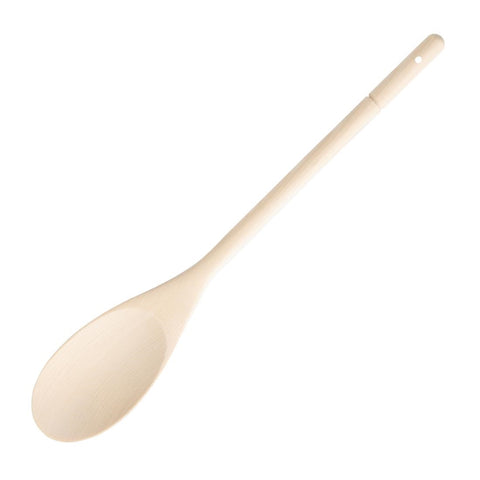


 Vogue Perforated Serving Spoon with Hook 355mm - L671


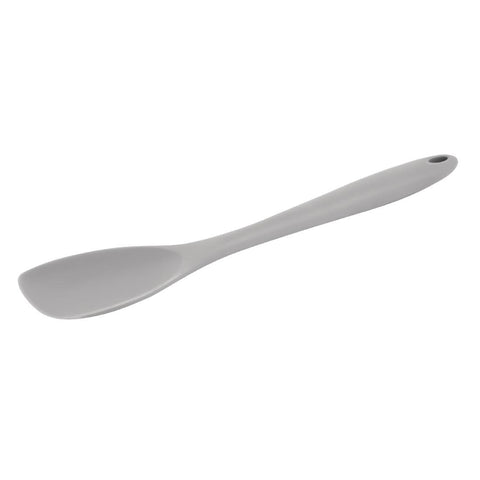

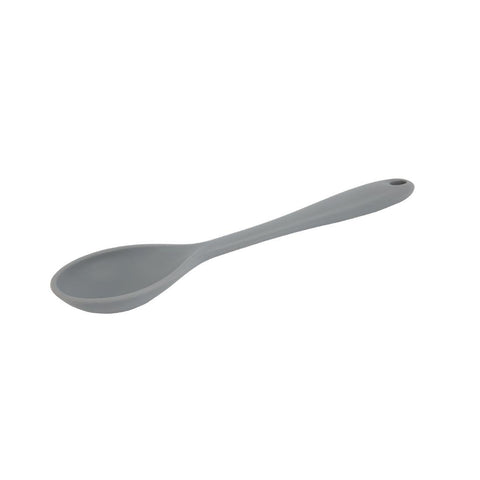
 Vogue Silicone High Heat Cooking Spoon 275mm - DA523
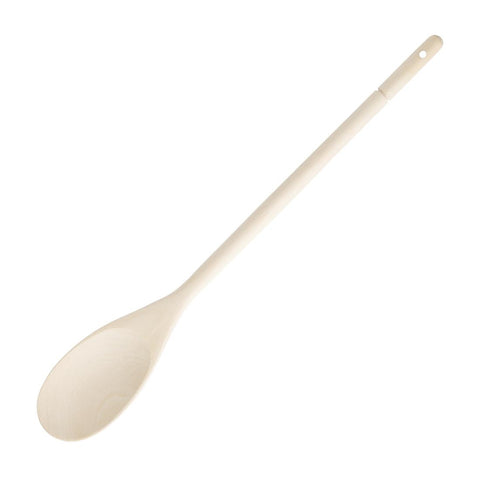

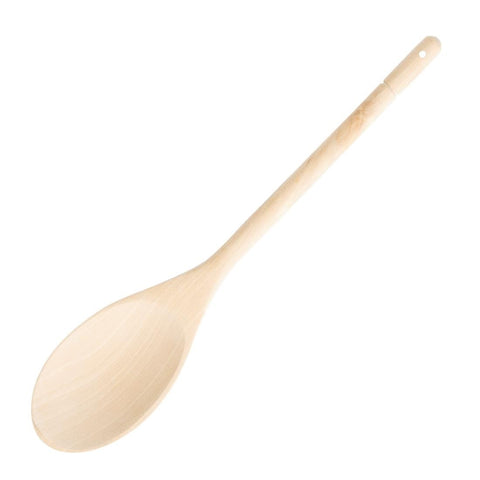

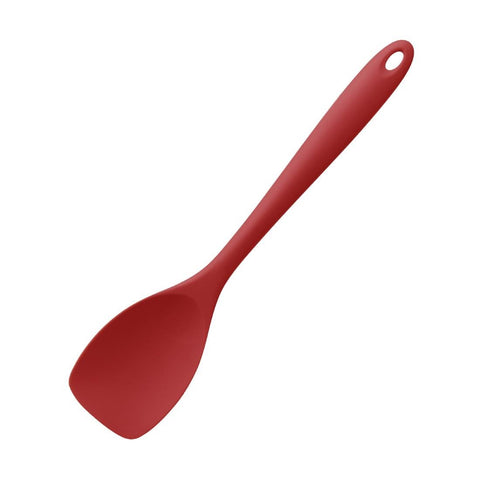


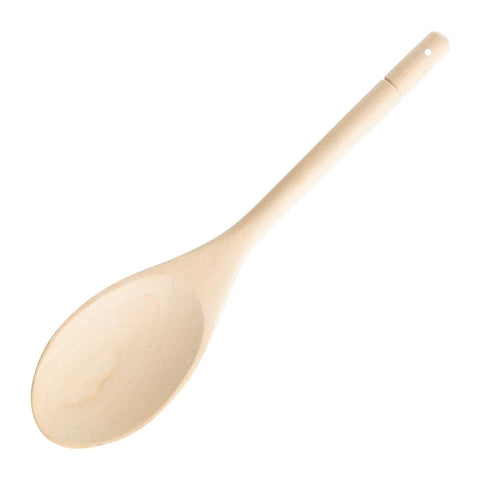


Cooking spoons stir, taste and lift on the hot line, and they are bought on handle length before anything else. Kitchen spoons for cooking need to reach the bottom of the deepest pot with the hand well clear of the rim, because the burn risk is steam rather than the pot.
Commercial cooking spoons split by bowl. A solid bowl stirs and tastes; a slotted bowl lifts out of liquid; a shallow bowl scrapes a pan base where a deep bowl rides over it. Most sections want at least two of the three.
Material follows the pan. Stainless for steel and cast iron, nylon or silicone for coated surfaces — a steel spoon will score a non-stick frying pan and that is the end of the coating. 304 stainless steel is the food-safety grade used in Australian commercial kitchens.
Restocking a hot line? Handle lengths and prices sit together in the price guide, so you can match a long spoon to each of your deep pots.
Longer than most kitchens buy. Measure the depth of your largest stock pot and add enough that the hand sits above the rim rather than in the steam coming off it.
Handle lengths are listed per product, and specifications covers how we present them. One long spoon per large pot is a reasonable starting point.
On stainless, cast iron and aluminium, no. On anything coated, yes, and the damage is permanent. The scratch becomes a place the coating lifts from.
Keep nylon or silicone spoons with the non-stick pans and steel with everything else. Colour or shape makes the distinction obvious on a busy line.
They have a stated upper temperature, and left leaning against the side of a hot pan they will deform. That rating is on the product page rather than something to assume.
Do not use them to stir in a pan over high direct heat on a gas cooktop. That is what steel is for.
Not the same spoon that goes back into the pot. Keep a pot of clean tasting spoons at the station and a bin for used ones, which is both a hygiene requirement and the only system that works under pressure.
Small service spoons from the commercial spoons range do the job cheaply.
Both. Solid for stirring sauces, reductions and anything where the liquid is the point. Slotted for lifting pasta, dumplings and vegetables out of water.
A perforated spoon or a spider is better again for fine product. See the kitchen utensils range for the lifting tools.
Most stainless goes through a commercial dishwasher. Composite and coated handles depend on the product, and a hollow handle needs to drain rather than fill.
Baked-on sauce needs a soak rather than force. The dishwashing liquids range covers the sink side.
In a cylinder or jug at the station, bowl down, within reach of the pots — not resting across a pan, where the handle gets hot and the bowl drips onto the burner.
A rail or an overshelf above the line keeps them close without using bench space.

We have a special page just for stock that's warehoused in Perth.
Click Here to see all WA stockWhat our customers say about us on Google, and how Google scores our store for things like shipping and returns.
Store scores from Google