


 03 9070 5784
 Help & Support
 Track My Order



Recently Viewed

 Jantex Bathroom Cleaner Concentrate 5Ltr - FL846
190(W) x 270(H) x 130(D)mm
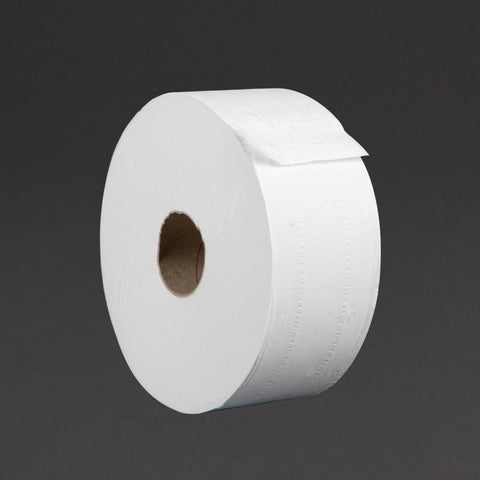
 Jantex 2-ply Jumbo Toilet Roll - DL919
86(W) x 240(H) x 62(D)mm

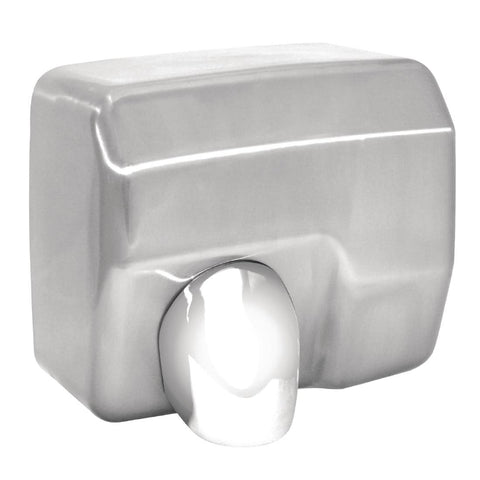
 Jantex Automatic Stainless Steel Hand Dryer 2500W - GD847-A
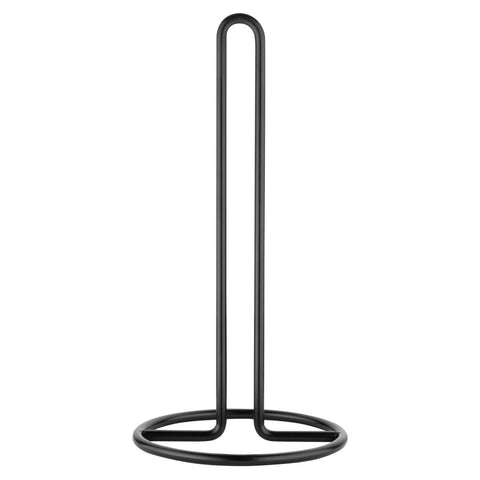



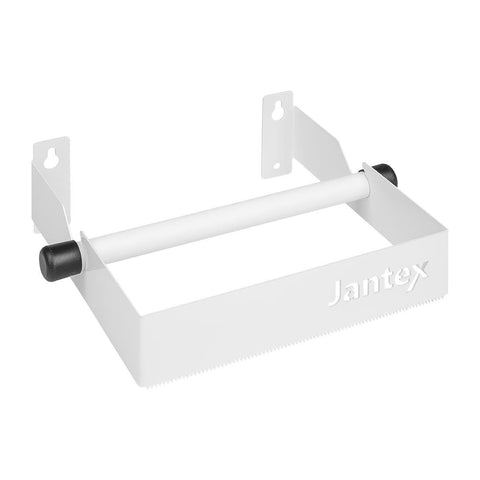
 Jantex Open Centre Feed Roll Dispenser - HZ198
225(W) x 80(H) x 210(D)mm
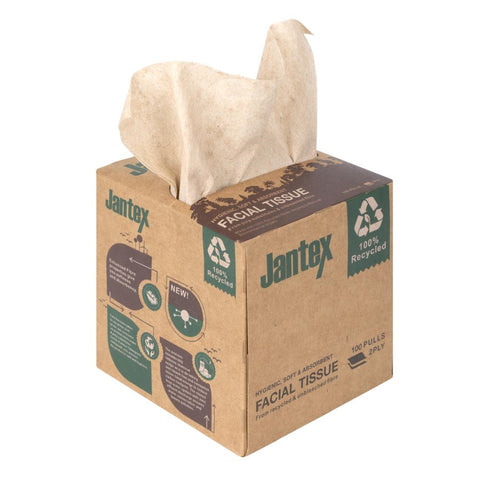
 Jantex Green 100% Recycled Facial Tissue Cube 100 Sheets (36 Pack) - HX931
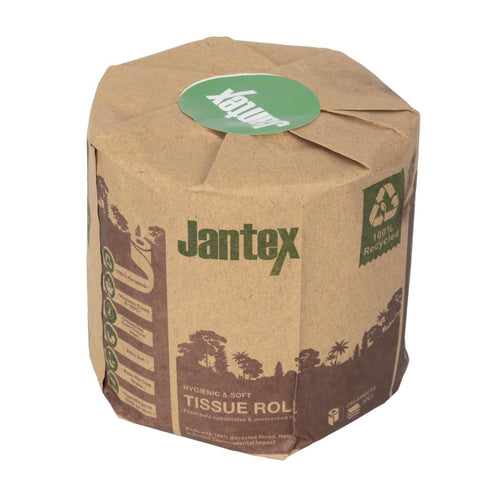
 Jantex Green 100% Recycled Wrapped Toilet Roll 3ply 260 Sheets (36 Pack) - HX934
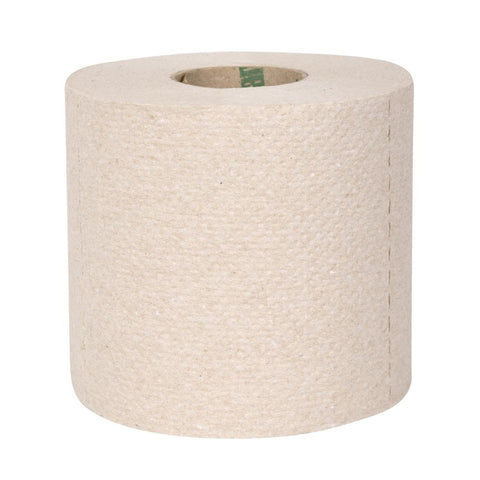
 Jantex Green 100% Recycled Toilet Roll 3ply 260 Sheets (36 Pack) - HX933
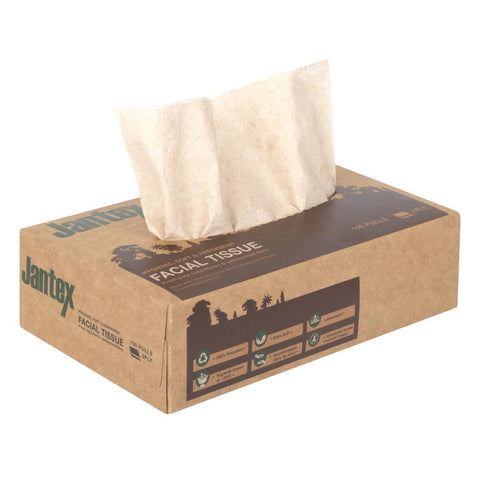
 Jantex Green 100% Recycled Facial Tissues 100 Sheets (36 Pack) - HW715

 Bolero Vertical Baby Changing Station - DA696
498(W) x 116(H) x 838(D)mm

 Jantex Green Toilet Cleaner Concentrate 5Ltr - DU819
 Jantex Green Bathroom Cleaner Concentrate 5Ltr - DU818
 Jantex Green Bathroom Cleaner RTU 500ml - DU827
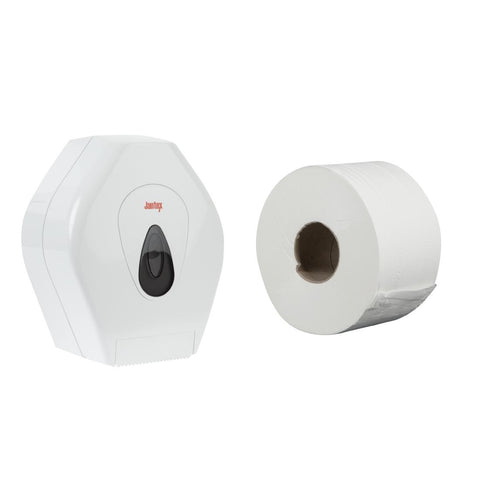
 Special Offer: Buy 6 Packs Of Toilet Paper & Get The Dispenser Free - DD944
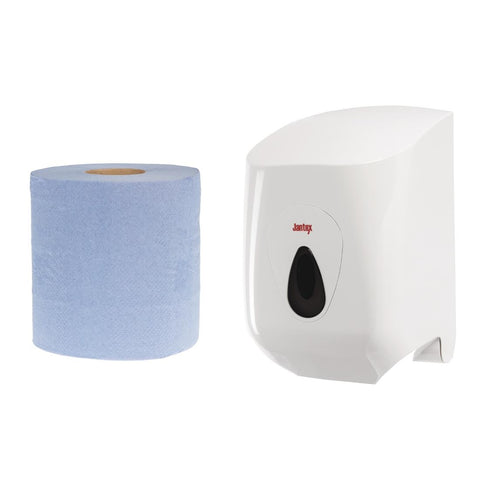
 Special Offer: Buy 4 Packs Of Centrefeed Rolls & Get The Dispenser Free - DD939
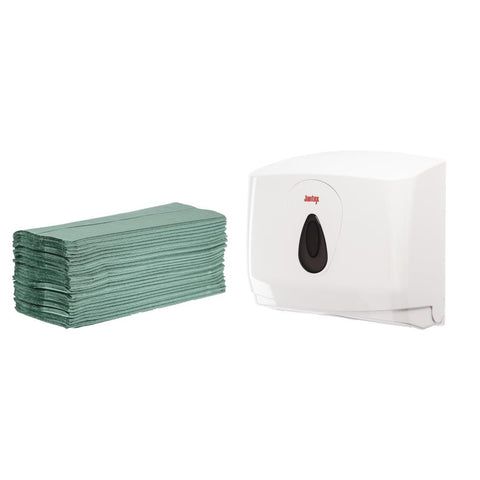
 Special Offer: Buy 2 Boxes Of Paper Towel & Get The Dispenser Free - DD938
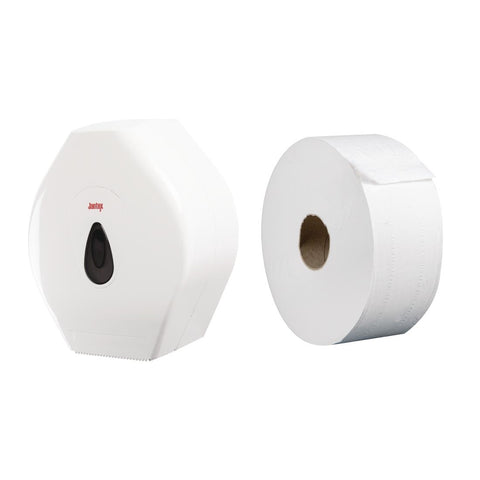
 Special Offer: Buy 4 Packs Of Jumbo Toilet Paper & Get The Dispenser Free - DD943
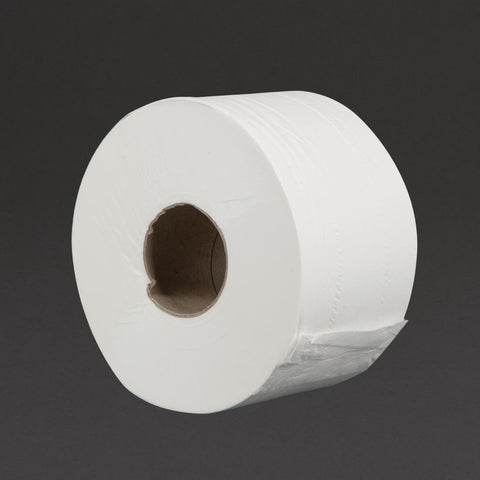
 Jantex Mini Jumbo Toilet Roll - DL918
86(W) x 150(H) x 62(D)mm
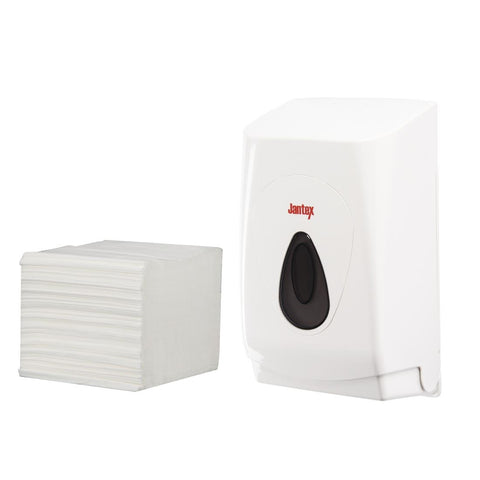
 Special Offer: Buy 3 Toilet Tissues & Get The Dispenser Free - DD936
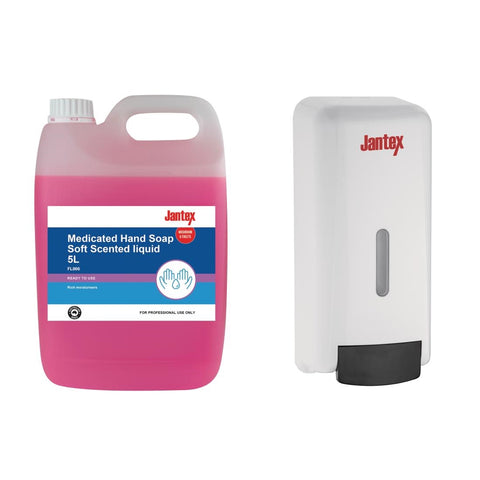
 Special Offer: Buy 3 Bottles Of Hand Soap & Get The Dispenser Free - DD937
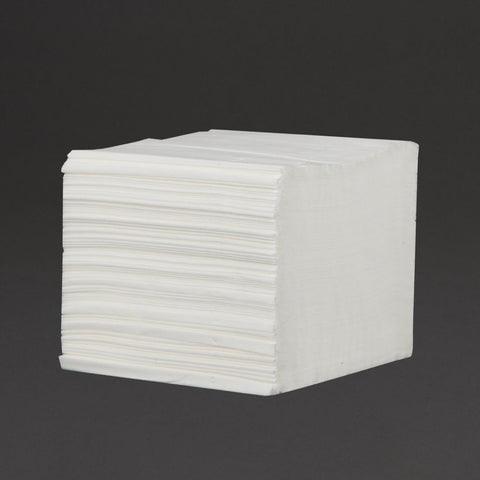
 Jantex Bulk Pack Toilet Tissues (Pack of 36) - CF797
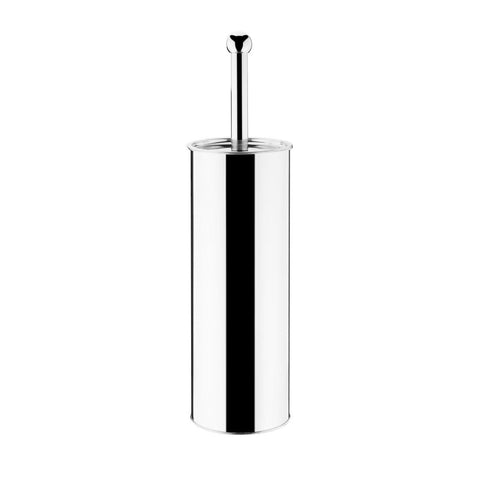

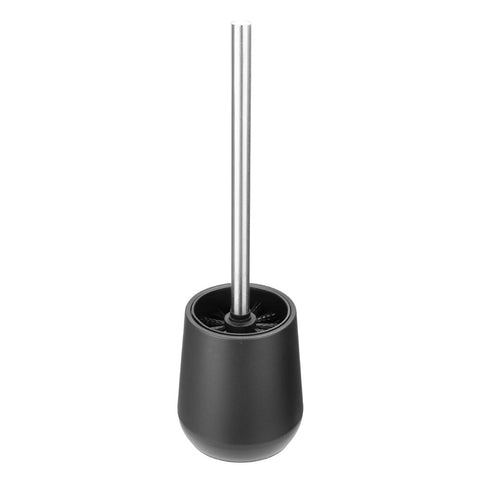

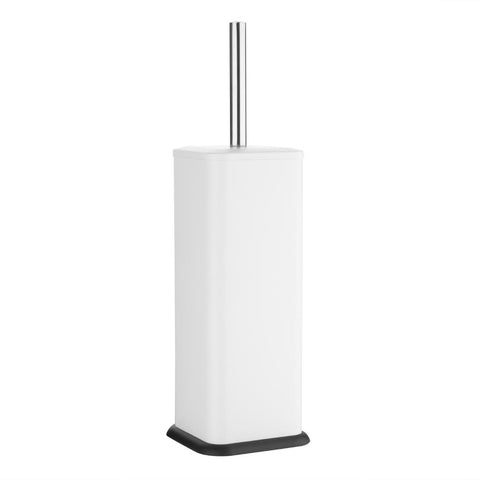
 Jantex Square Toilet Brush and Holder - White - HT477
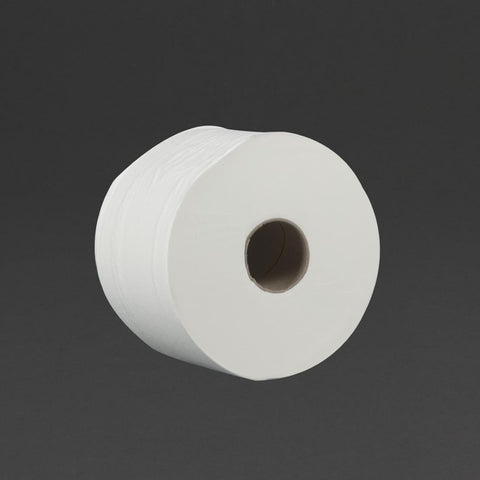
 Jantex Micro Twin Toilet Roll Refills (Pack of 24) - GL063
133(W) x 90(H) x 133(D)mm
Washroom cleaner does the basins, tiles, fittings and floor in a venue washroom, and a commercial toilet cleaner does the bowl. The toilet cleaner is acid-based, because what builds up in a bowl is scale, and that is different chemistry to everything else on the cleaning shelf.
This is also the one category that should never share anything with the kitchen — not the cloth, not the bucket, not the gloves.
A working washroom set is a toilet cleaner for the bowl, a bathroom cleaner for basins, tiles and fittings, a glass cleaner for mirrors, plus hand consumables from the hand soaps and sanitisers and paper towel ranges.
Customers judge a venue on its washroom, and an inspector checks whether washroom equipment is kept separate from kitchen equipment. Colour-coded mops and brushes and a dedicated bucket handle most of that.
Pricing up a standing washroom order? The price guide covers the cleaners and the hand consumables that go out with them.
Because the deposit in a bowl is scale and mineral staining, and acid dissolves it. An alkaline cleaner that handles kitchen grease does almost nothing to a water line in a toilet.
That also means it must never be mixed with a chlorine product. Mixing acid and bleach releases chlorine gas, which is the most dangerous thing a cleaning cupboard can do.
A general degreaser will clean a washroom floor, but it will not deal with the bowl. The bigger problem is not the chemical, it is the cloths and buckets. Once a mop or cloth has been in a washroom it should not go near food preparation.
Keep a separate set of everything, stored apart from the commercial kitchen cleaning supplies.
Odour is almost always a cleaning gap rather than a fragrance gap: the floor around the base of the pan, the back of the cistern, a dry floor waste. Masking it with a fragrance does not last the night.
Clean the causes, keep the floor waste wet so the trap seals, then use fragrance as a finish rather than a fix.
Through service rather than at the end of it, with a visible check sheet on the door. A washroom that is only cleaned at close is unattended for the busiest hours of the night.
A quick-check routine with a cloth and spray on a cleaning trolley takes a couple of minutes between checks.
Acid left on chrome, brass or some stone surfaces will mark them, and that includes tapware and the base of a pedestal. The product label states what it is safe on.
Apply to the bowl rather than slopping it on the floor, and rinse fittings. For stainless fittings and kitchen tapware a milder product is the safer default.
Soap, hand towel or dryer, toilet paper, bin liners and a lidded sanitary bin, all stocked to get through the busiest night without a top-up.
Buy them with the rest of the disposables so the order is one delivery rather than three.
In a locked or separate cupboard, upright, labelled, never decanted into an unmarked bottle, and never on the same shelf as food-area products. Acid and chlorine products should not even be adjacent.
Heavy rubber gloves and eye protection belong in the same cupboard so they are used.

We have a special page just for stock that's warehoused in Perth.
Click Here to see all WA stockWhat our customers say about us on Google, and how Google scores our store for things like shipping and returns.
Store scores from Google