


 03 9070 5784
 Help & Support
 Track My Order



Recently Viewed
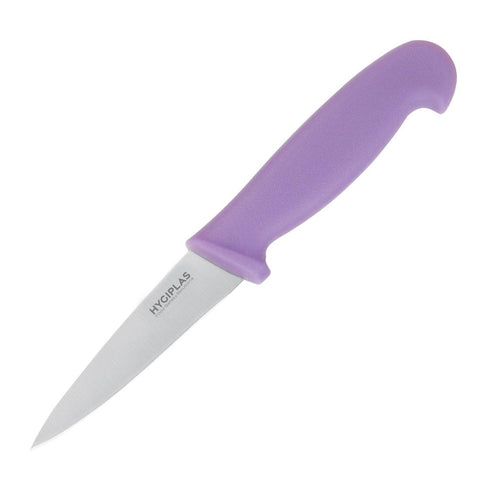

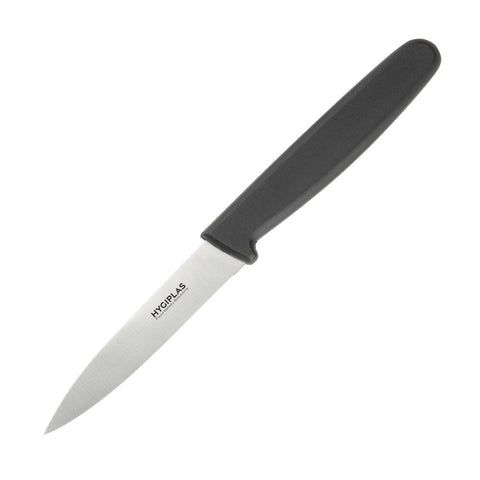

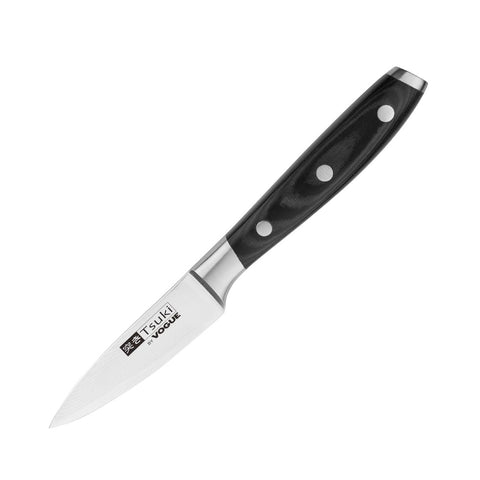

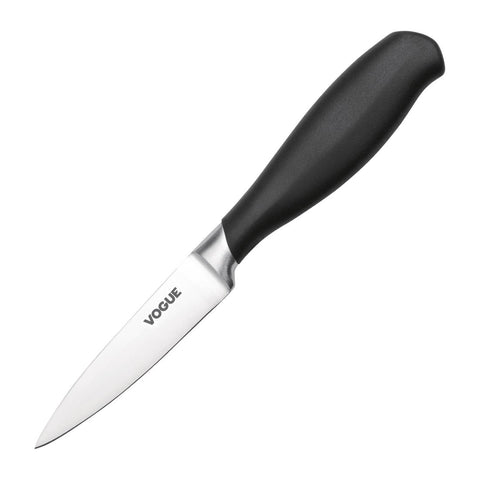

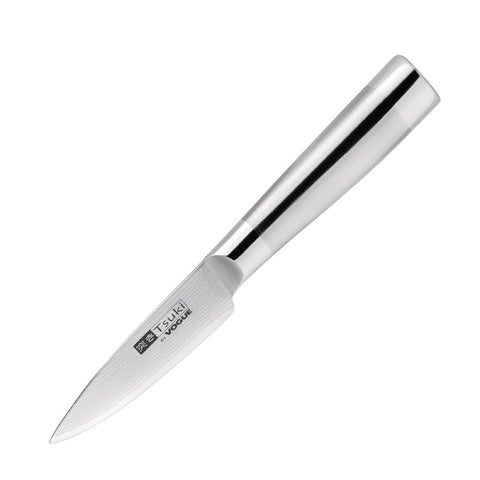




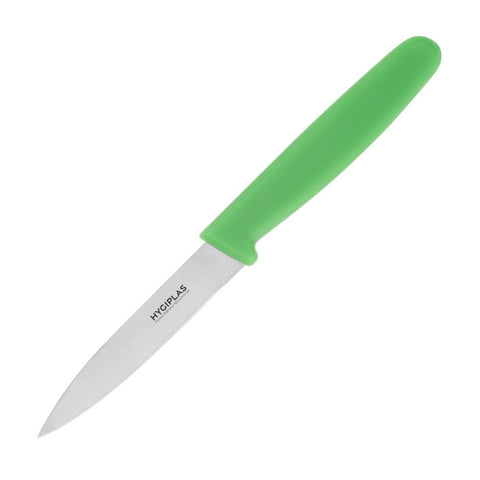

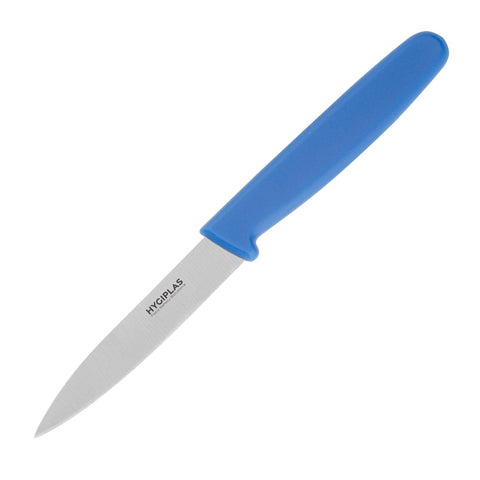

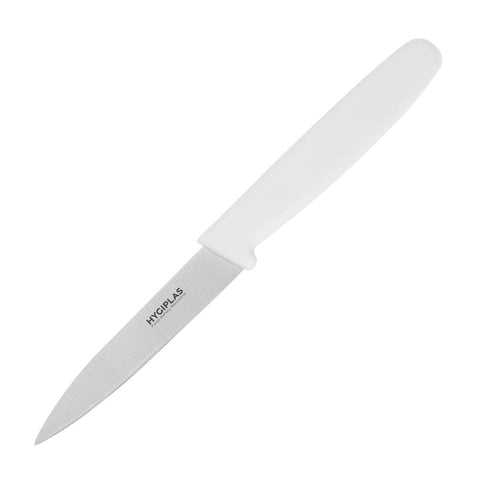

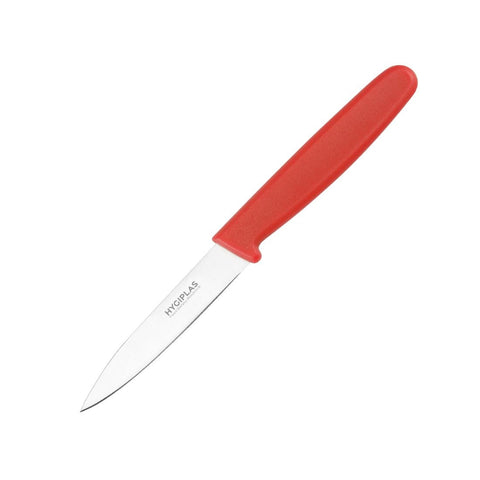

Paring knives do the work a kitchen does in the hand rather than on a board: peeling, coring, trimming, hulling and scoring. A chef's knife does all of that badly, which is why every section ends up reaching for one.
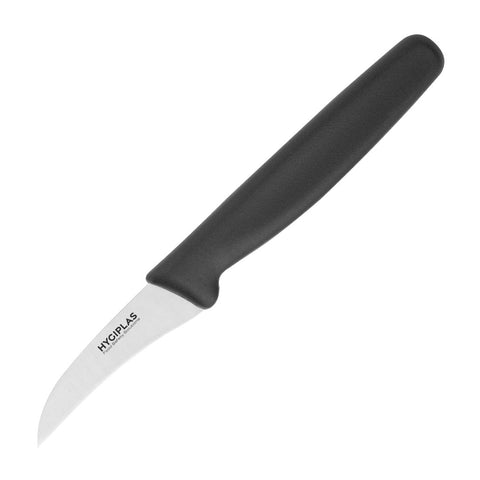
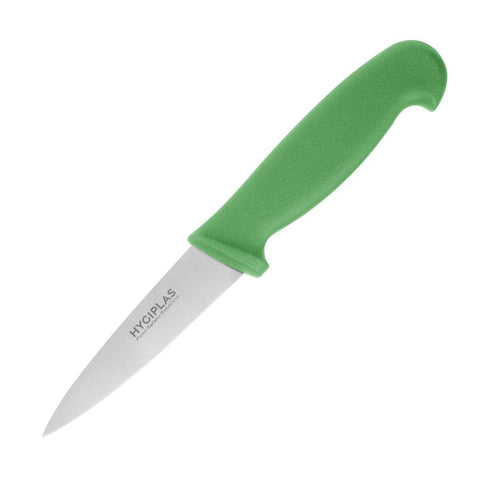
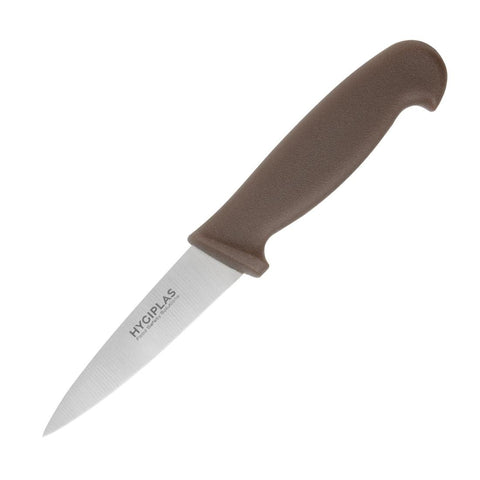
A professional paring knife is short and light enough to control with the fingers. Blade shape is the choice to make: a straight spear point is the general purpose one, a bird's beak curves for turning vegetables, and a sheep's foot gives a flat edge for board work.
These are the knives most likely to go missing and most likely to end up blunt, because they are small and they get used for everything. Buy several, keep them together in knife storage, and hone them with the rest.
Working out how many lengths to hold per section? The price guide lists them with prices so you can total the order up first.
Short enough to control with the fingers, which for most hands is a small fraction of a chef's knife. Longer than that and it stops being a hand tool.
Lengths are listed per product. If you are buying for several chefs, two lengths covers preference without complicating the set.
Spear point is the everyday blade and the one to buy first. Bird's beak suits curved work — turning potatoes, peeling round fruit — because the curve follows the surface. Sheep's foot has a flat edge and a blunt tip for safe board work.
A pastry or garde manger section will want the bird's beak. See fruit preparation tools for the peelers and corers that go with it.
No. A chef's knife is designed to rock on a board with the weight of the blade doing the cutting. A paring knife is designed to be used in the air, with the thumb on the work and the blade coming towards it.
That is why the handle and balance matter more than the steel here. The rest of the commercial knives range covers board work.
More than it thinks. They are used constantly, they disappear into bins with peelings, and a section that is short on them starts using a chef's knife in the hand.
Buy a handful per section and store them where they are visible — a wall rack or a slotted block makes a missing one obvious.
If the kitchen handles raw protein and ready-to-eat product, yes. Paring knives move between tasks more than any other blade, which is exactly why they are the cross-contamination risk.
Match the colours to your chopping boards and keep the system to one scheme.
On a fine steel for daily honing and on a stone or a small sharpener for re-grinding. They are short, so a powered wheel takes a lot of blade off relative to the size of the knife.
Treat them gently on the sharpeners and they last years. Treat them as disposable and you will replace them every few months.
They should not. They are small enough to fall through racks and sit on the element, and the edge dulls in a commercial dishwasher regardless.
Hand wash, dry and put away. Loose in a drawer with the kitchen utensils is where tips get broken.

We have a special page just for stock that's warehoused in Perth.
Click Here to see all WA stockWhat our customers say about us on Google, and how Google scores our store for things like shipping and returns.
Store scores from Google

