


 03 9070 5784
 Help & Support
 Track My Order



Recently Viewed

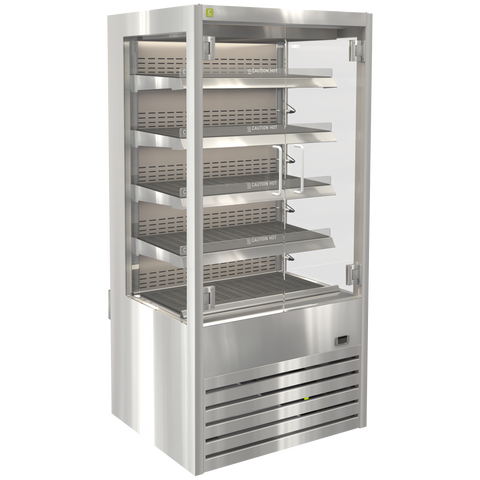
 Cossiga Heated Open Fronted Multideck Cabinet with Hinged Door 600mmW - DTGHT6
600(W) x 750(D) x 1860(H)mm
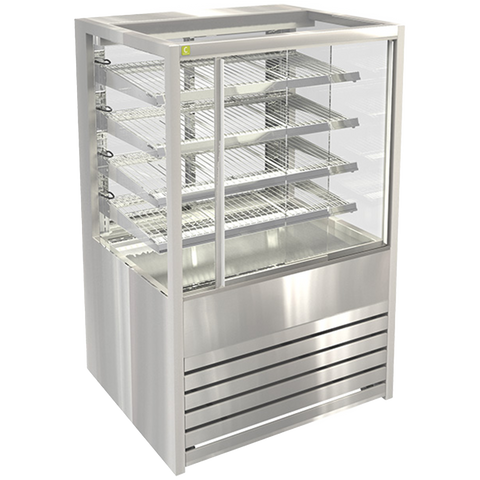 Cossiga Ambient Freestanding Sliding Front Multi-Deck Heated Cabinet 1200mmW - BTGAB12-SD
1200(W) x 750(D) x 1380(H)mm
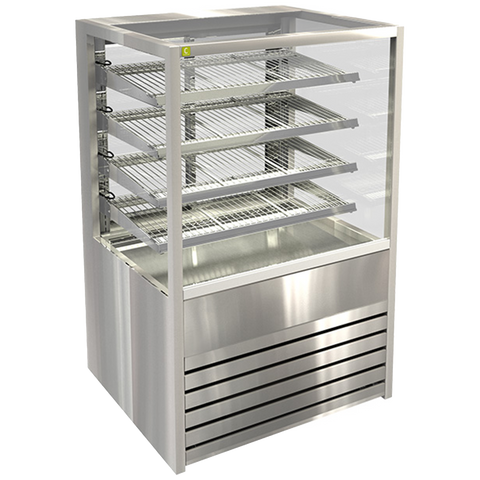 Cossiga Ambient Freestanding Solid Front Multi-Deck Heated Cabinet 1200mmW - BTGAB12
1200(W) x 750(D) x 1380(H)mm
 Cossiga Heated Freestanding Sliding Front Multi-Deck Heated Cabinet 1500mmW - BTGHT15-SD
1500(W) x 750(D) x 1380(H)mm
 Cossiga Ambient Freestanding Sliding Front Multi-Deck Heated Cabinet 1500mmW - BTGAB15-SD
1500(W) x 750(D) x 1380(H)mm
 Cossiga Ambient Freestanding Solid Front Multi-Deck Heated Cabinet 600mmW - BTGAB6
600(W) x 750(D) x 1380(H)mm
 Cossiga Ambient Freestanding Solid Front Multi-Deck Heated Cabinet 900mmW - BTGAB9
900(W) x 750(D) x 1380(H)mm
 Cossiga Heated Freestanding Sliding Front Multi-Deck Heated Cabinet 600mmW - BTGHT6-SD
600(W) x 750(D) x 1380(H)mm
 Cossiga Heated Freestanding Sliding Front Multi-Deck Heated Cabinet 900mmW - BTGHT9-SD
900(W) x 750(D) x 1380(H)mm
 Cossiga Ambient Freestanding Sliding Front Multi-Deck Heated Cabinet 900mmW - BTGAB9-SD
900(W) x 750(D) x 1380(H)mm
 Cossiga Ambient Freestanding Sliding Front Multi-Deck Heated Cabinet 600mmW - BTGAB6-SD
600(W) x 750(D) x 1380(H)mm
 Cossiga Heated Freestanding Solid Front Multi-Deck Heated Cabinet 900mmW - BTGHT9
900(W) x 750(D) x 1380(H)mm
 Cossiga Ambient Freestanding Solid Front Multi-Deck Heated Cabinet 1500mmW - BTGAB15
1500(W) x 750(D) x 1380(H)mm
 Cossiga Heated Freestanding Solid Front Multi-Deck Heated Cabinet 1500mmW - BTGHT15
1500(W) x 750(D) x 1380(H)mm
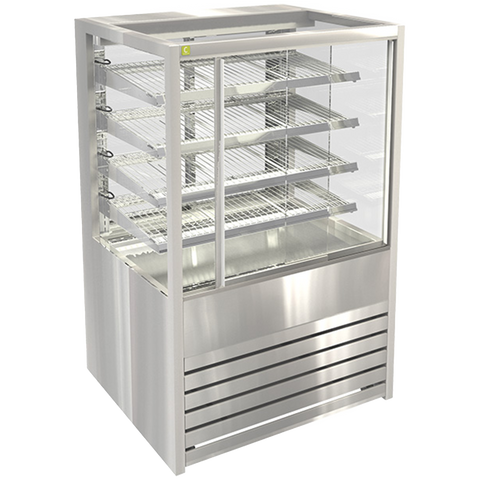 Cossiga Heated Freestanding Sliding Front Multi-Deck Heated Cabinet 1200mmW - BTGHT12-SD
1200(W) x 750(D) x 1380(H)mm
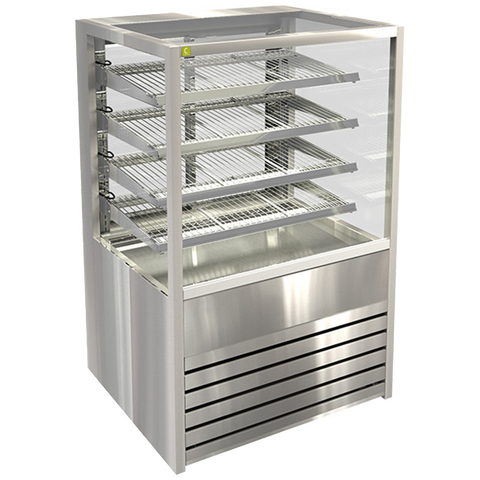 Cossiga Heated Freestanding Solid Front Multi-Deck Heated Cabinet 1200mmW - BTGHT12
1200(W) x 750(D) x 1380(H)mm
 Cossiga Heated Freestanding Solid Front Multi-Deck Heated Cabinet 600mmW - BTGHT6
600(W) x 750(D) x 1380(H)mm


 Bonvue Backfill Heated Display Cabinet HWB2-138
1259(W) x 703(D) x 704(H)mm
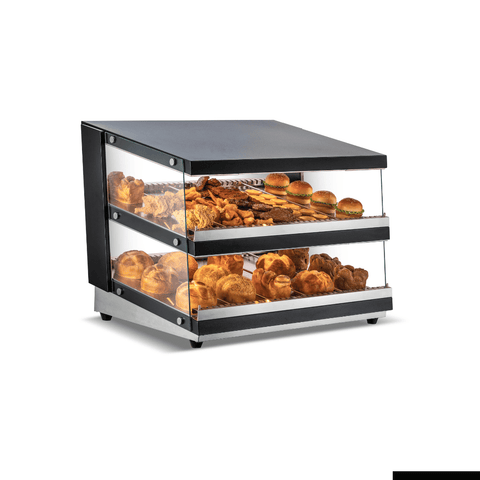
 Bonvue Backfill Heated Display Cabinet HWB2-102
953(W) x 703(D) x 704(H)mm
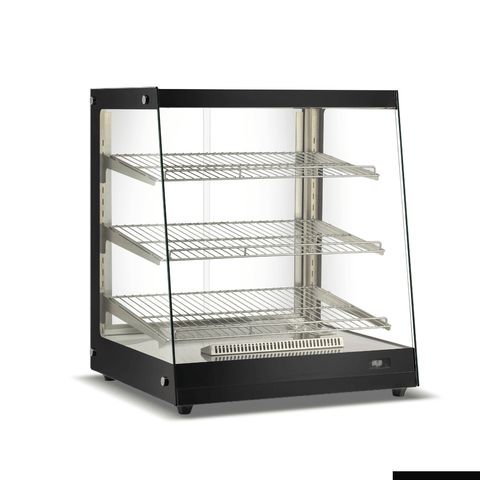
 Bonvue 205L Benchtop Food Warmer Display Cabinet HD-205
740(W) x 650(D) x 850(H)mm
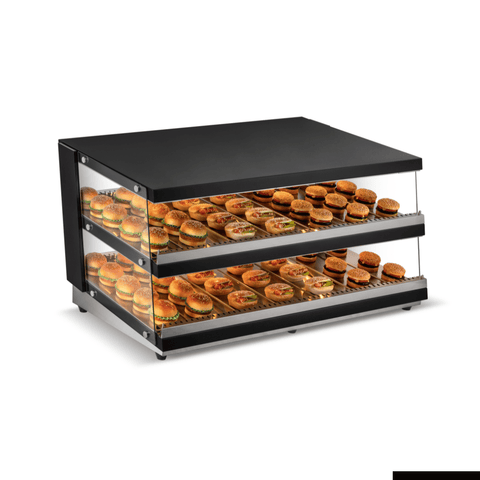
 Bonvue Backfill Heated Display Cabinet HWB2-152
1400(W) x 703(D) x 704(H)mm

 Thermaster Premium Wet And Dry Bain Marie Food Display 5X1/1 GN Pans PG180FG-XB
1800(W) x 765(D) x 845(H)mm
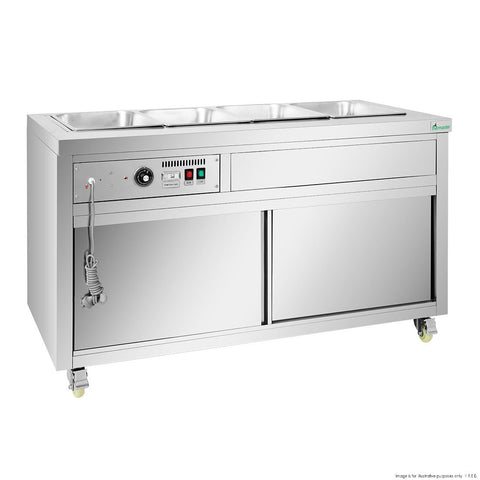
 Thermaster Premium Wet And Dry Bain Marie Food Display 4X1/1 GN Pans PG150FG-XB
1460(W) x 765(D) x 845(H)mm
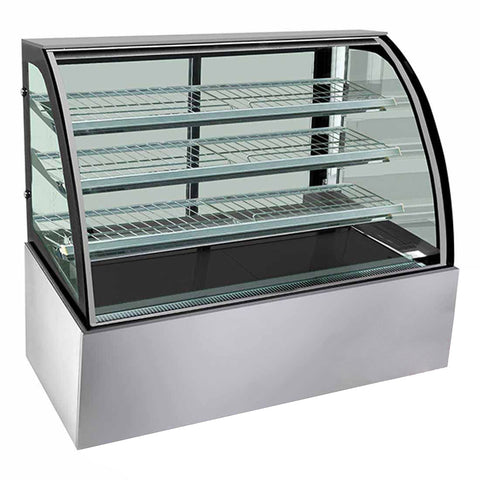
 Bonvue Heated Food Display H-SL840
1200(W) x 740(D) x 1350(H)mm
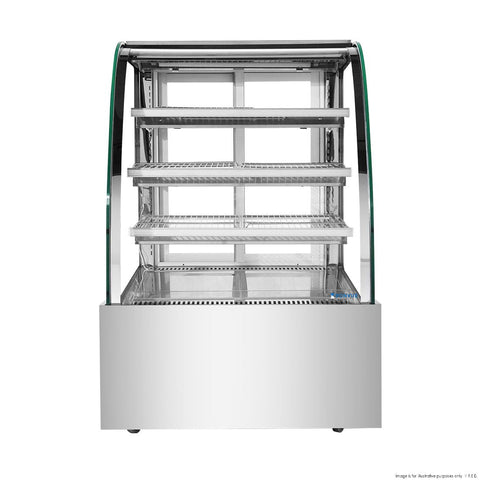
 Bonvue Heated Food Display H-SL830
900(W) x 740(D) x 1350(H)mm

 Yellow Induction Multi-Zone Buffet Induction with 2 x 2500watt, remote generator rack & 2 remote controller panels, 800mm x 380mm x 66mm - YMC-2-2500
 Yellow Induction Multi-Zone Buffet Induction with 3 x 2500watt. Includes remote generator rack & 3 remote controller panels. 1180mm x 380mm x 66mm - YMC-3-2500
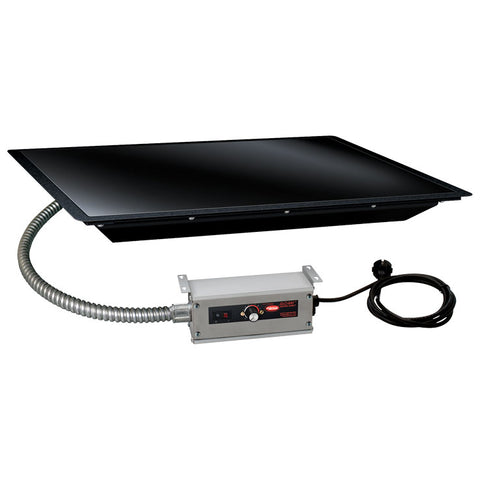

 Hatco drop-in Heated Black Ceramic Glass 649 mm x 498 mm x 65mm - HBGBHC-2418
649(W) x 498(D) x 65(H)mm
 Hatco Built-In Rectangular Heated Well 348mm x 553mm x 218mm - HWB-FULD
 Hatco Built-In Round Heated Well with drain - 3.8L (4 Quart) - HWB-4QTD
 Hatco Glo-Ray GRSBF Drop-in Flush Top Heated Shelf 1867mm x 533mm - GRSBF-72-I
1867(W) x 533(D) x 60(H)mm
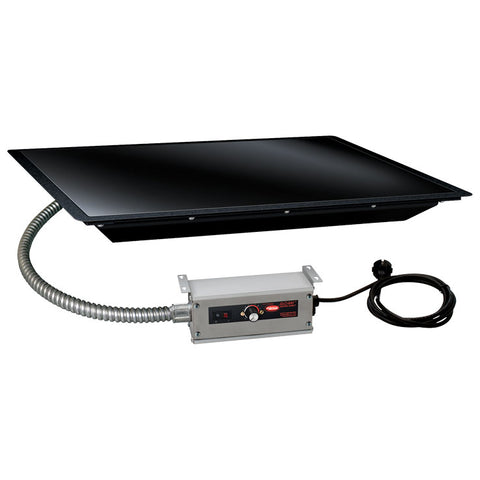
 Hatco drop-in Heated Black Ceramic Glass 802mm x 498mm x 65mm - HBGBHC-3018
802(W) x 498(D) x 65(H)mm
 Hatco Built-In Round Heated Well with drain - 6.6L (7 Quart) - HWB-7QTD
 Hatco Glo-Ray GRSBF Drop-in Flush Top Heated Shelf 1562mm x 533mm - GRSBF-60-I
1562(W) x 533(D) x 60(H)mm
 Hatco Glo-Ray GRSBF Drop-in Flush Top Heated Shelf 1372mm x 533mm - GRSBF-54-I
1372(W) x 533(D) x 60(H)mm
 Hatco Built-In Round Heated Well with drain - 10.1L (11 Quart) - HWB-11QTD
 Hatco Glo-Ray GRSBF Drop-in Flush Top Heated Shelf 953mm x 533mm - GRSBF-36-I
953(W) x 533(D) x 60(H)mm
 Hatco Glo-Ray GRSBF Drop-in Flush Top Heated Shelf 1257mm x 533mm - GRSBF-48-I
1257(W) x 533(D) x 60(H)mm
 Hatco Glo-Ray GRSBF Drop-in Flush Top Heated Shelf 648mm x 533mm - GRSBF-24-I
648(W) x 533(D) x 60(H)mm
 Hatco Glo Ray GRS Portable Heated Shelf 1219mm x 495mm - GRS-48-I
1219(W) x 495(D) x 60(H)mm
 Hatco Glo-Ray GRSBF Drop-in Flush Top Heated Shelf 800mm x 533mm - GRSBF-30-I
800(W) x 533(D) x 60(H)mm
 Hatco Glo Ray GRS Portable Heated Shelf 762mm x 495mm - GRS-30-I
762(W) x 495(D) x 60(H)mm
 Hatco Glo-Ray GRS-D Portable Heated Shelf Deep 1524mm x 305mm - GRS-60-D
 Hatco Glo Ray GRS Portable Heated Shelf 1372mm x 495mm - GRS-54-I
1372(W) x 495(D) x 60(H)mm
 Hatco Glo Ray GRS Portable Heated Shelf 610mm x 495mm - GRS-24-I
610(W) x 495(D) x 60(H)mm
 Hatco Glo-Ray GRSBF Drop-in Flush Top Heated Shelf 1105mm x 533mm - GRSBF-42-I
1105(W) x 533(D) x 60(H)mm
 Hatco Glo Ray GRS Portable Heated Shelf 914mm x 495mm - GRS-36-I
914(W) x 495(D) x 60(H)mm
 Hatco Glo Ray GRS Portable Heated Shelf 1067mm x 495mm - GRS-42-I
1067(W) x 495(D) x 60(H)mm
 Hacto Heated Portable Black Ceramic Glass Shelf 400mmW x 600mmD x 565mmH - HGSM-4060
400(W) x 600(D) x 565(H)mm
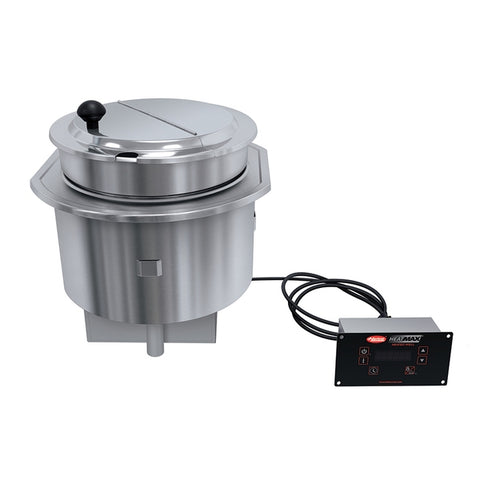
 Hatco Single 10L built in - RHW2-1B
 Hatco Single 10L Free Standing - RHW2-1
359(W) x 330(D) x 343(H)mm
 Hatco Double 10L Free Standing - RHW2-2
630(W) x 330(D) x 343(H)mm
A hot food display holds cooked food at serving temperature behind glass, and the choice between them is dry heat or moist heat. Anything with pastry holds dry, so pies, sausage rolls and pasties go into a cabinet with radiant heat and no water underneath them. Hold that same pie over steam and the base goes soft well before lunch is over.
Roast meat, rice, curry and vegetables want the opposite, because dry heat skins them over and dries the edges, so they need moisture in the cabinet. Hot and cold cabinets both come in square or round glass, and there are matching refrigerated countertop displays built to stand beside them, so a warmer and a chilled unit look like they were built together.
Where the cabinet goes decides the rest. Pie warmer displays are the glass-fronted cabinets sized by how many pies they hold, and Roband, Benchstar, Anvil and Apuro build them single or double sided so staff and customer can both reach in. Counter top hot food displays stand on a bench you already have, and that takes in Bonvue square-glass gastronorm cabinets, Apuro heated merchandisers and Hatco slanted shelf warmers.
Whatever the requirement, REO has the solution under one roof. Freestanding hot food displays bring their own base for a bakery or a food court, and the Thermaster wet-and-dry bain marie displays are in that group. Heated shelves from Hatco, Apuro and Caterlite hold plated food at the pass with no glass at all, and heated wells drop through the bench to hold one pan of soup or gravy.
Pastry decides it. Anything with a crust holds dry, so pies, sausage rolls, pasties and croissants all want radiant heat with no water in the base. Put that same pie over steam and the bottom will go soft long before service is over.
Wet holding is for food that dries out at the edge, so roast meat, rice, curry, vegetables and anything already carrying sauce hold better with moisture in the cabinet. Wet-and-dry bain marie displays will run either way, with water in the base for the saucy lines or dry for a mixed counter, and that's the safer buy if your menu changes with the seasons.
If you're running wet, check the water level before every service. Elements are the first thing to fail on a bain marie that's been boiled dry, and that isn't a warranty claim.
That's the normal way a counter gets built, and most shops need all three. The heated cabinet runs the hot food, a cold food display holds sandwiches, salads and cakes, and an ambient display takes bread, biscuits and packaged goods, because chilling those makes bread go stale faster and brings condensation onto the packaging.
The same body is built in all three versions, so the heights, the fronts and the glass all line up where the units meet. Matching refrigerated countertop displays stand beside the hot benchtop cabinets, and both hot and cold come in square or round glass.
Pick by what you're selling first, then by how long each segment needs to be, and settle the glass shape once so you can repeat it the whole way down the run.
Cabinets are made in segments of 300 mm, so 600, 900, 1200, 1500, 1800 and up, and two or three units will make up a counter of almost any length. Most come in two or three tiers and some in four or more. Pick your tiers by throughput, because two tiers suit large or awkward items while three or four give you more product per metre of bench.
Some models stand hard against each other with no gap, which gives you an unbroken line of glass, and older models need a gap at the sides for airflow. Countertop and floor-standing versions of the same cabinet both exist, so the question is how much bench you're willing to give up. Tell us the counter length you're working with and we'll work out what fits.
Not quite, though they do overlap. A bain marie holds food in gastronorm pans over heated water or dry heat at working height, and it's a service appliance first, so staff plate straight out of it. A heated display is a selling cabinet, so you get glass on the customer side, lighting, and shelves or tiers so the customer can see everything.
The two meet in bain marie displays, which put the pan wells behind display glass. If the customer never sees the food, a plain bain marie or a holding cabinet will cost you less and do the same job, but where the counter is your shopfront you're better off with the display.
A heated well is built into the bench. It's a round or rectangular pot well that drops through the counter top, usually with a drain, and it holds a pan of soup, gravy, sauce or beans at serving temperature. Hatco makes them built-in and free-standing, and they suit a servery that wants a permanent hot point instead of another appliance taking up bench space.
A heated shelf holds food that's already plated or trayed. It's a flat heated surface at the pass that holds plates for the few minutes before they go out, sometimes under a heated gantry. Neither one has glass and neither faces the customer, so they work behind a display cabinet instead of replacing one.
Match the holding style to the food before you blame the cabinet. Dry heat on a saucy line hardens the surface and the edges, and wet heat under pastry softens the base. Turning the cabinet up makes both of those worse, because all the extra heat does is drive more moisture out of the food, or into it.
The other cause is loading. Food stacked past the shelf blocks the air path, so the top tier bakes and the bottom goes cool. Preheat the cabinet before the first tray goes in, because a cold cabinet loaded at opening will pull heat out of the food for the first twenty minutes, right when the morning trade is looking at it.
Safety is the straightforward part: hot food is held at 60°C or above. The cabinet's job is to hold it there, not to bring it there, so food goes in hot out of the oven or the bain marie, because a warmer hasn't got the wattage or the airflow to reheat anything.
Quality runs out first. A pie held dry still eats well for a few hours, but a roast or a curry held wet starts to go at the edges much sooner, and rice sooner again. Batch it instead, because two smaller loads through a lunch rush will sell better than one big load that's been sitting there since eleven.
Check the plug on the product page before you order, and check what the counter has actually got. Small countertop warmers and pie cabinets usually run off a standard 10 amp socket, but larger multi-element cabinets, bain marie displays and built-in wells often need a 15 amp outlet, which is a different plug in a different socket and an electrician's job to fit.
Don't run a heated cabinet off a power board or a domestic extension lead, because it draws a high current all day and they're not built for it. If the display is going into new joinery, have the outlet placed and rated before the cabinetry gets made.
REO's prices are sharp, and a hot cabinet is rarely bought on its own. A counter usually needs a heated one, a chilled one and an ambient one at the same time, and that adds up quickly in a new fit-out.
Silverchef Rent-Try-Buy is the other way to do it. You rent the equipment instead of buying it outright, so your cash stays free for the rest of the shop, and the rent is an operating expense that goes through your running costs. Once the business is settled you buy the cabinet out or trade up to a bigger one, and your accountant can tell you how the numbers work for you.
Gastronorm pans and a set of tongs for each pan. Gastronorm is a standard size, but REO recommends buying pans from the same supplier as the appliance they go into, whether that's a bain marie, a display or a well.
Small differences between brands mean a cross-brand fit can't be guaranteed, and a pan sitting proud of the well lets heat and steam escape past the lip.
After that, a probe thermometer so you can prove your holding temperature, spare pan lids for the quiet part of the day, and a holding cabinet or oven behind the counter to batch from. That way you're topping the display up through service instead of holding a whole day's food in it at once.

We have a special page just for stock that's warehoused in Perth.
Click Here to see all WA stock