


 03 9070 5784
 Help & Support
 Track My Order



Recently Viewed


 Vogue Multi-Purpose Stainless Steel Kitchen Scissors - GP186

 Vogue Heavy Duty Stainless Steel Kitchen Scissors - GP185
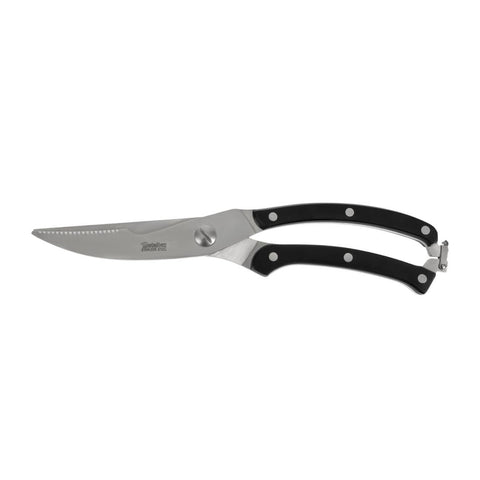

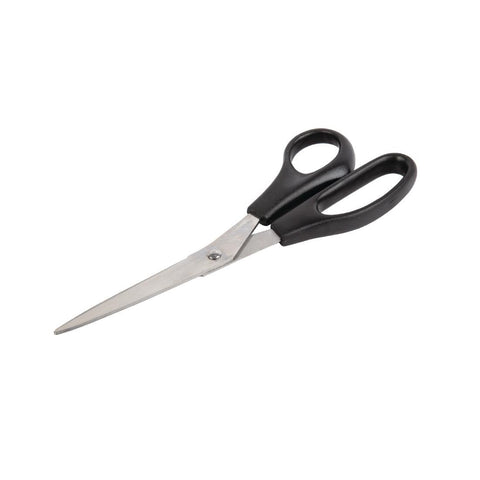

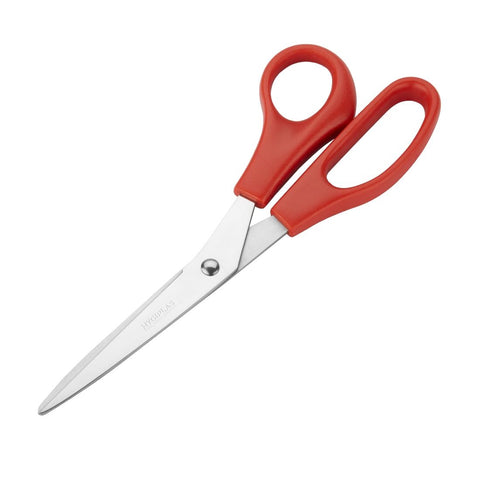

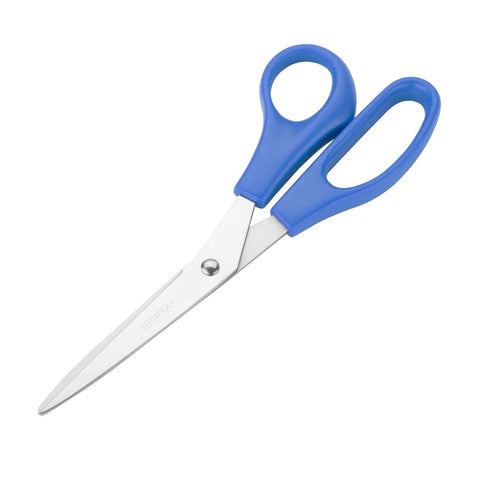

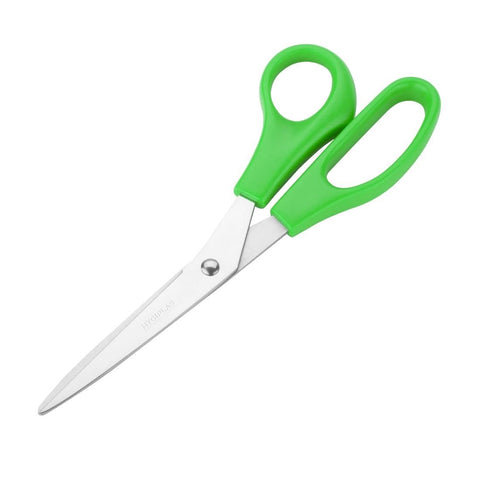

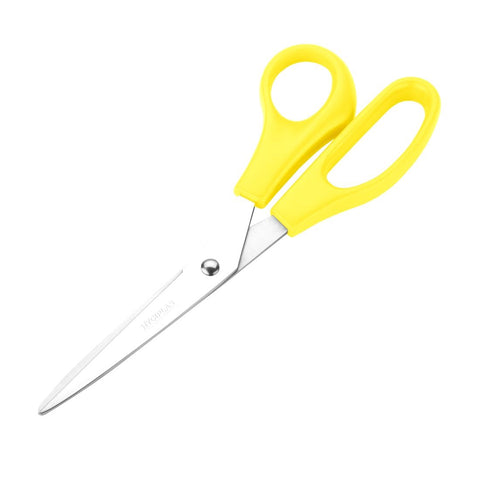

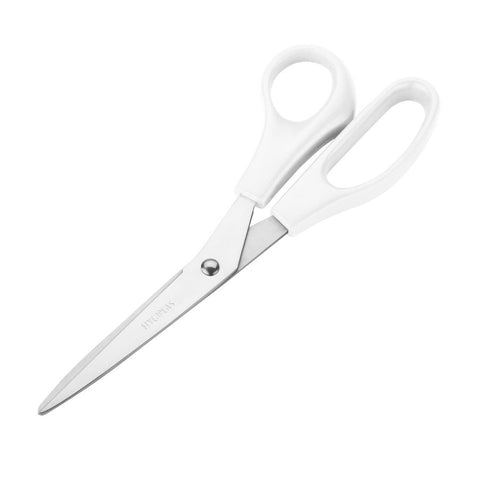

Kitchen scissors do the jobs a knife does badly: snipping herbs, opening vacuum bags, cutting twine, trimming fins and skin, portioning soft bread. Professional kitchen scissors are built heavier than household ones because they are used dozens of times a shift.
Professional kitchen shears differ from ordinary scissors in three ways. The blades come apart for cleaning, the handles are sized for a gloved hand, and at least one blade is usually serrated so wet food does not slide. Commercial poultry shears add a curved blade and a spring, which is what gets through joints and small bones.
They are not a substitute for a knife and should not be treated as one. Keep them alongside your commercial knives and fillet knives, and see meat and seafood utensils for the heavier work. The wider range is in commercial kitchen tools.
Pricing a pair for each station, plus a separate pair that stays at the protein bench? The price guide lists shears by blade type and handle size.
They separate. A take-apart pivot is the single feature that matters, because scissors used on raw protein cannot be cleaned properly while they are closed.
After that it is blade steel, handle size and whether a spring is fitted. 304 stainless steel is the food-safety grade used in Australian kitchens for food-contact parts — see stainless steel kitchen accessories.
Yes, and this is where most kitchens slip. Shears used on raw chicken and then on herbs is the same error as using one chopping board for both, and it is harder to see.
Colour-code the handles and keep the protein pair at the protein station. See disposable kitchen gloves for the rest of that routine.
Spatchcocking, removing wing tips, cutting through small joints and trimming a carcass. The curve and the spring are there to let the blade bite into a joint rather than slide off it.
They are not a cleaver and will be damaged by heavy bone. For that, see commercial kitchen cleavers.
Straight blades can and should be, on a stone or with a shear sharpener, and a sharp pair is safer than a blunt one. Serrated and micro-serrated blades generally cannot be sharpened usefully.
That makes serrated shears a consumable and plain-bladed shears a long-term tool. See knife sharpeners for what works on the plain-bladed ones.
Separated, most solid stainless shears can, and a commercial dishwasher cycle is the easiest way to clean around the pivot. Spring-loaded pairs are the ones to check on the product page.
Dry them properly and oil the pivot occasionally. A pivot left wet is what seizes, and a seized pair gets forced and then bends.
Handle shape matters more here than on a knife, because the whole force goes through the fingers. A pair sized for a bare hand is painful through a glove.
Symmetrical ring handles suit a mixed team and a gloved hand. Try them with the gloves the kitchen actually uses — see disposable kitchen gloves.
Closed, dry and in a sheath or a slot, not loose in a drawer where the blades are nicked by everything else. A nicked blade stops cutting cleanly and cannot be fixed.
A magnetic rail or a block keeps them visible and off the bench — see knife wall rack and knife storage.

We have a special page just for stock that's warehoused in Perth.
Click Here to see all WA stockWhat our customers say about us on Google, and how Google scores our store for things like shipping and returns.
Store scores from Google
