


 03 9070 5784
 Help & Support
 Track My Order



Recently Viewed

 Yasaki 2mm Slicer Poly Disc - Three Blade SP002
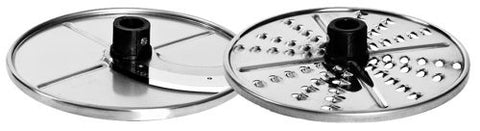

 Hallde Grater/Shredder 2 mm RB-HA85044 - HA85044


 Bezzera Knock Out Waste Tube DS86L
230(W) x 230(D) x 900(H)mm

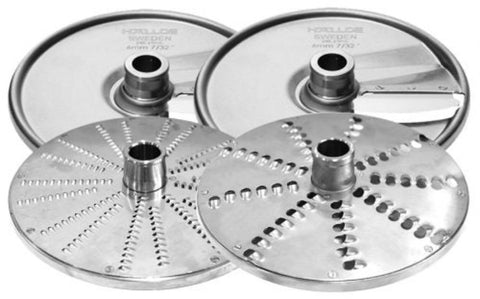
 Hallde Dicing Grid 10x10 mm RB-HA83292 - HA83292


 Dito Sama Vegetable Slicer Single Phase Single Speed 500W TRS-500
252(W) x 347(D) x 412(H)mm
 F.E.D Vegetable Cutter 8X8X8MM Dicing (Circle-Only For Vc65Ms) Disc DR888
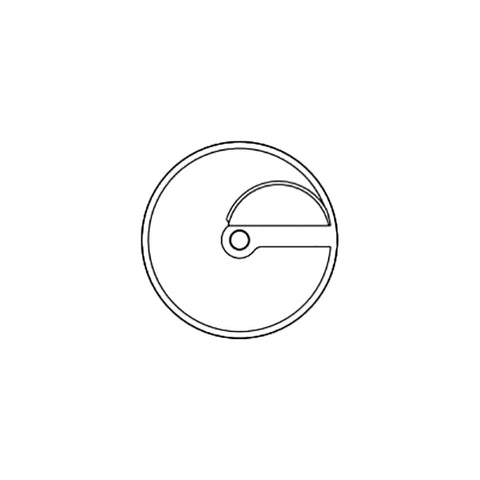
 Yasaki Slicer (Aluminium, Semi Circular) 10mm Single Blade - SS010
 Yasaki 4mm Slicer Poly Disc - Two Blade SP004
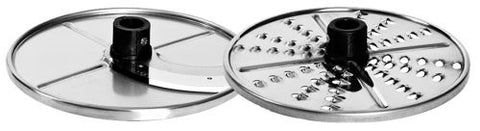
 Hallde Julienne Cutter 4x4 mm RB-HA85050 - HA85050
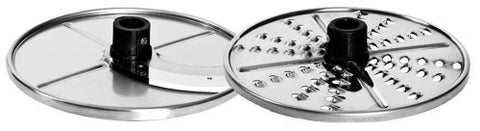
 Hallde Julienne Cutter 2x2 mm RB-HA85057 - HA85057
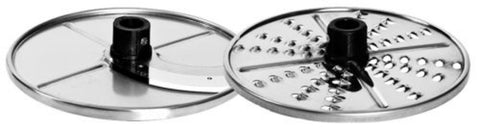

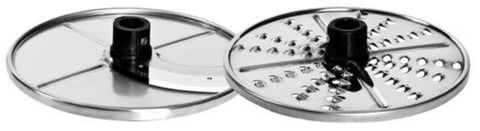
 Hallde Grater/Shredder 6 mm RB-HA83216 - HA83216
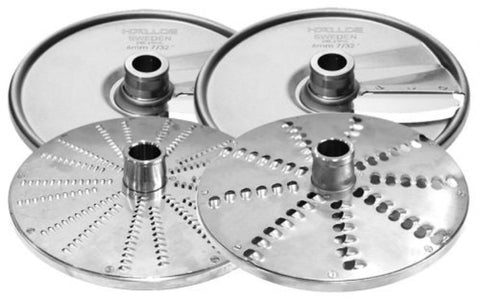
 Hallde Dicing Grid 8x8 mm RB-HA83291 - HA83291
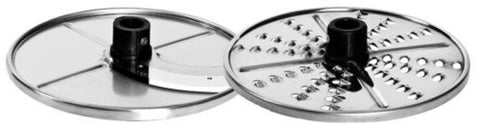
 Hallde Grater/Shredder 4.5 mm RB-HA83213 - HA83213
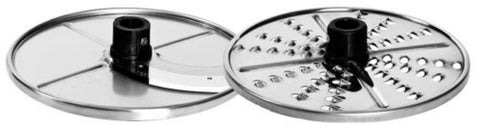

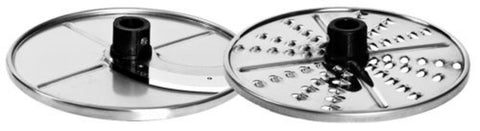

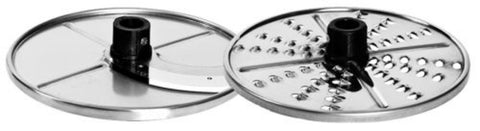

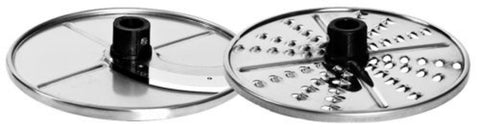
 Hallde Julienne Cutter 2x2 mm RB-HA63122 - HA63122
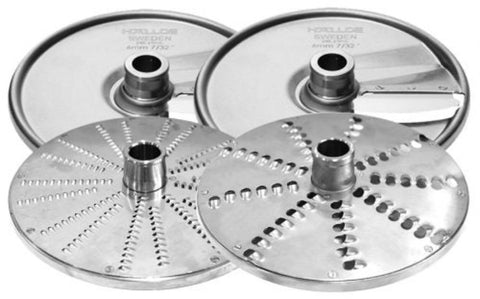

 Dito Sama Stainless Steel Grating Disc 3 MM DS653774
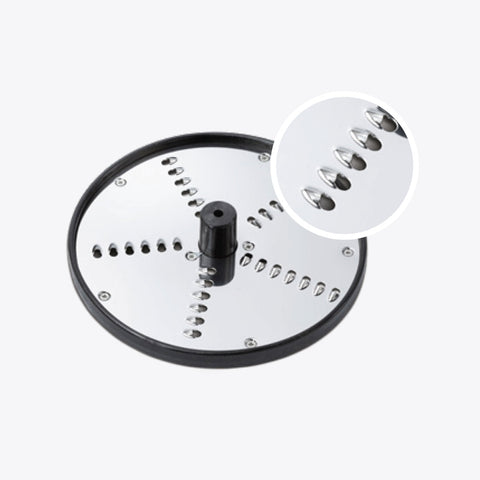
 Dito Sama P4U Stainless Steel Grating Disc 7 DS650207
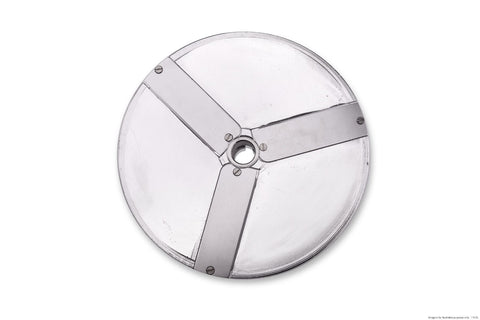


 Anvil Food Processor Pro - FPA0007
520(W) x 520(H) x 290(D)mm

 Dito Sama Combined Cutter And Vegetable Slicer 5.5 Lt Variable Speed TRK55
252(W) x 485(D) x 505(H)mm
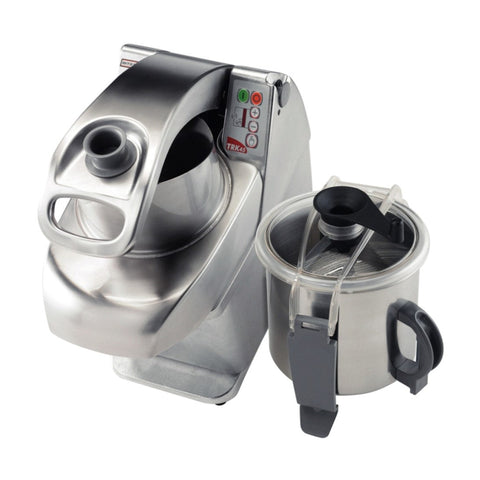
 Dito Sama Combined Cutter And Vegetable Slicer 4.5 Lt Variable Speed TRK45
252(W) x 485(D) x 505(H)mm
 Dito Sama Combined Cutter And Vegetable Slicer 7 Lt Variable Speed TRK70
252(W) x 485(D) x 530(H)mm
 Yasaki Slicer (Aluminium, semi circular) 4mm Single Blade - SS004
 Yasaki Slicer (Aluminium, semi circular) 2mm Single Blade - SS002
 Yasaki Slicers (Aluminium) 14mm Single blade - SA014


 Dynamic Kit Grid
 Slicing Disc
 Julienne Disc

 CLEARANCE - Dito Sama Vegetable slicer single speed 250w - Minigreen-VIC1049
216(W) x 347(D) x 412(H)mm

 CLEARANCE - Dito Sama Vegetable slicer vegetable cutter - Multigreen-VIC1052
220(W) x 260(D) x 420(H)mm
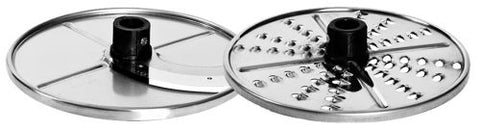


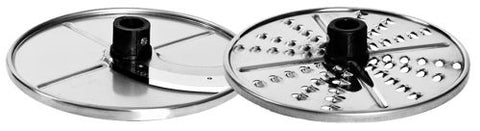
 Hallde Crimping Slicer 4 mm RB-HA85048 - HA85048
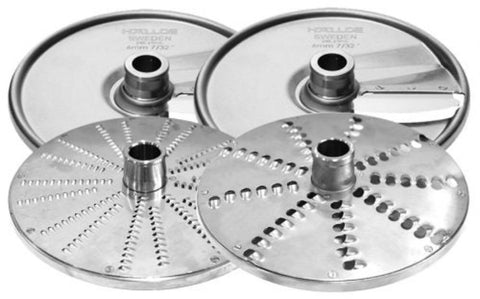


 Hallde Grater/Shredder 6 mm RB-HA85045 - HA85045
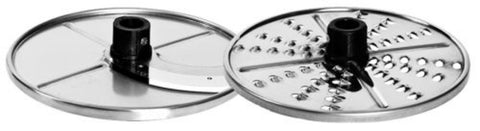

A veg processor does the slicing, grating, dicing and shredding that otherwise ties up a person with a knife for an hour or two every morning. Most of them work the same way. You drop the veg into a hopper on top, a disc spins underneath it, and the cut product comes out the front into a gastronorm pan.
Swap the disc and the same machine gives you 2mm salad slices, shredded carrot, matchstick julienne or diced onion. That last part is where people go wrong when they're comparing machines: the motor and the body are only half of it, and what the food actually looks like on the plate is decided by the disc you put in.
There are two shapes of machine here. A continuous feed cutter has the hopper and the chute and will keep going for as long as someone keeps feeding it, which is what you want for bulk salad, coleslaw and chips.
A bowl machine, usually called a cutter mixer, spins a blade inside a closed bowl, and that's for pastes, purees, mince, hummus and pastry, where the food has to stay in with the blade. Some units do both jobs off the one motor. We also stock the discs and grids that go in these machines, and a disc only fits the machine it was made for, so check what yours takes before you order.
Start with how many kilos of veg go through in a session and how long you can leave someone standing at the machine. A cafe cutting garnish and a few salads gets by on a single speed benchtop unit. A pub kitchen doing coleslaw, chips and roast veg for a hundred covers wants a bigger motor and variable speed, because different products cut best at different speeds and a slow disc bruises soft product.
The other thing to check is the feed opening. A wide feed head takes a whole cabbage or a large potato and is quick but a bit rough. Tube feeders hold carrots, cucumbers and zucchini upright so the slices come out round and even, which matters if the product is going on a plate. Look at what you cut most and pick the feed to suit it.
A veg processor is built to cut and push the product straight out, so it never fills up. That's why it suits salad, chips, grated cheese and anything you're doing in volume. The blade work is all in the disc, and the machine itself just spins it and holds the food against it.
A food processor or cutter mixer keeps everything in a closed bowl with a blade sweeping the bottom, which is what you need for hummus, pate, pesto, mince and pastry. The two jobs are different enough that most kitchens doing both end up with a machine that takes a bowl attachment as well as a slicing head. There's more on that in food processors and cutters.
Some do and some don't, and it changes the real cost of the machine by a fair bit. The Dito Sama Prep4You units are supplied with a set of discs included. Others come with one general purpose slicer, or none at all, on the basis that every kitchen wants a different combination.
Budget for three or four discs to start with, which for most kitchens is a thin slicer, a mid slicer, a grater and either a julienne disc or a dicing set. Then buy a second of whichever one you use every day, because when your only 2mm slicer is in the sink, prep stops. Check the machine's page for what's in the box before you compare prices between two models.
Nearly all of these are single phase and plug into a standard socket, which is one of the reasons they're an easy machine to add to an existing kitchen. There's no gas, no plumbing and no exhaust involved, so it's usually a matter of finding bench space and a power point near the sink.
What does matter is where you put it. It wants to sit at a comfortable working height with room for a gastronorm pan under the chute, near a sink because everything comes apart to be washed, and on a bench that won't walk when the machine is running. A stainless machine table built for the job solves all three, and there are ones made to hold a full gastronorm container underneath.
More than a person with a knife, but the honest answer is that the machine is rarely the limit. Throughput is set by three things: the disc, the feed method and whoever is loading it. A plain slicing disc runs faster than a dicing set, because dicing has to push the product through a grid as well as past a blade, and a hand-fed hopper only goes as fast as the hands.
If you need real volume, look at the feed before you look at the motor. Push feeders, pneumatic feeders and continuous feed hoppers keep the pressure on the disc steady so the machine cuts at its own pace instead of the operator's. And size for your worst day, not your average one, since the machine has to clear morning prep before service starts.
Everything that touches food comes off: the feed head, the disc, the ejector and the chute. Wash them straight after use, before starch and onion juice dry on and set hard. Use a brush on the discs and never a cloth, because a cloth wrapped over a blade edge is how people get cut. Dry the parts properly before they go away or the blades will pit.
The body wipes down with a damp cloth and a food-safe sanitiser. Don't hose the motor housing. Most machines have an interlock so they won't run with the feed head open, and that switch is worth keeping clean too, since a bit of trapped debris is the usual reason a machine that was fine yesterday won't start today.
Blunt discs, first and most often. A dull blade tears the product instead of cutting it, so the salad goes wet and floppy, the yield drops and the motor is under more load for the same output. Discs are a consumable and they're the cheapest part of the machine to keep right.
After that it's the safety interlock switch, which stops the machine running when the feed head is open and gets gummed up with debris, and the ejector plate, which wears and starts leaving product spinning in the housing.
Motors get overloaded by people forcing hard product through or trying to slice something part-frozen, and that's not a warranty claim. Discs also get bent if they're dropped or stored loose in a drawer, and a bent plate will rub the housing.
Yes. Our prices are sharp to begin with, and Silverchef Rent-Try-Buy makes the first year easier, because you rent the machine instead of paying for it up front and the money stays where you need it during a fit-out. The rental payments go through as an operating expense.
It also suits this particular machine well, since prep volumes are the thing new venues guess wrong most often. You can start on a benchtop cutter, and if the site turns out busier than the plan you buy it out or move up to a bigger model. Here's how Rent-Try-Buy works.
Discs, first, and enough of them to cover the cuts you actually use. Then gastronorm pans to catch what comes out of the chute, which want to be the same depth as the ones your fridge and bain marie take so they interchange.
After that, somewhere to keep the discs. A wall rack or an accessories trolley keeps the plates flat, apart and visible, which stops them getting chipped and stops someone reaching blind into a drawer. A cleaning brush made for disc blades, a stainless machine table if the bench is tight, and a spare feed cylinder if two people share the machine are all worth having.
Dito Sama is the biggest part of it, with the Minigreen and Multigreen benchtop slicers, the single phase TRS-500, the Prep4You machines that come with discs included, and combined cutter and vegetable slicers in 4.5, 5.5 and 7 litre bowl sizes. Dynamic's CL100, CL200 and CL322 are 5.4 litre veg slicers, with the CL322 running variable speed. Yasaki make the VC55MF and the HLVC300, and Anvil does the Food Processor Pro.
For the consumable side, discs and grids come from Hallde, Dito Sama, Dynamic, ICE and Yasaki, and there are feed cylinders, continuous feed hoppers, push and pneumatic feeders, tube feeders, wall racks, trolleys and stainless machine tables to go with them.

We have a special page just for stock that's warehoused in Perth.
Click Here to see all WA stock