


 03 9070 5784
 Help & Support
 Track My Order



Recently Viewed
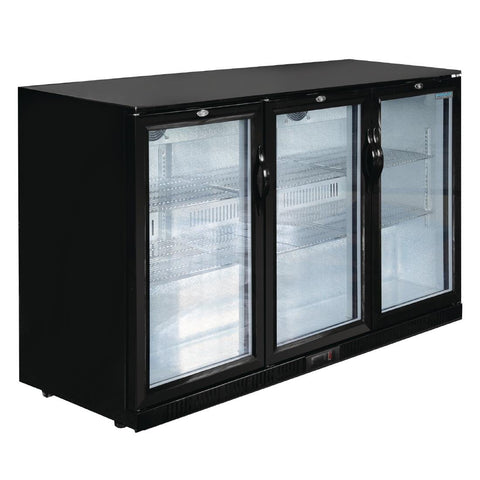

 Polar G-Series Under Counter Back Bar Cooler with Hinged Doors 320Ltr - GL014-A
1350(W) x 850(H) x 520(D)mm
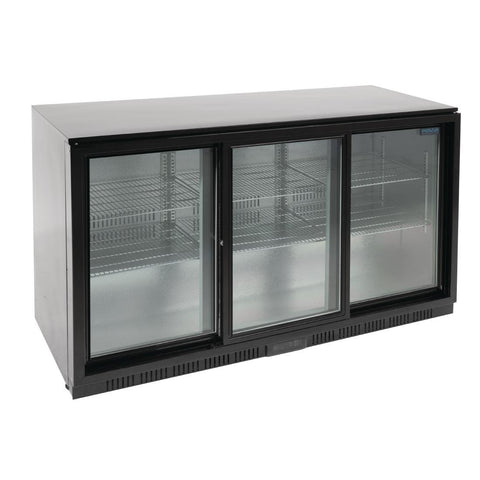
 Polar G-Series Under Counter Back Bar Cooler with Sliding Doors 320Ltr - GL013-A
1350(W) x 850(H) x 520(D)mm
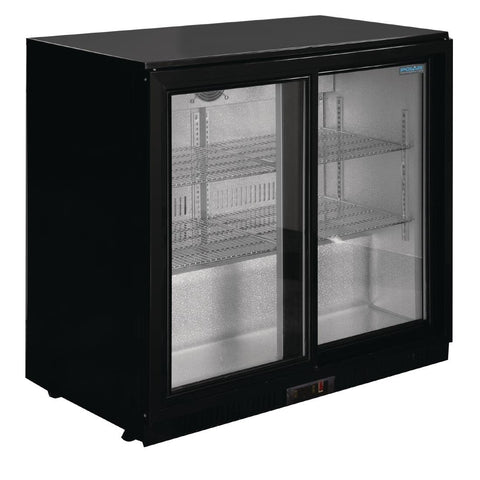
 Polar G-Series Under Counter Back Bar Cooler with Sliding Doors 198Ltr - GL010-A
900(W) x 850(H) x 520(D)mm
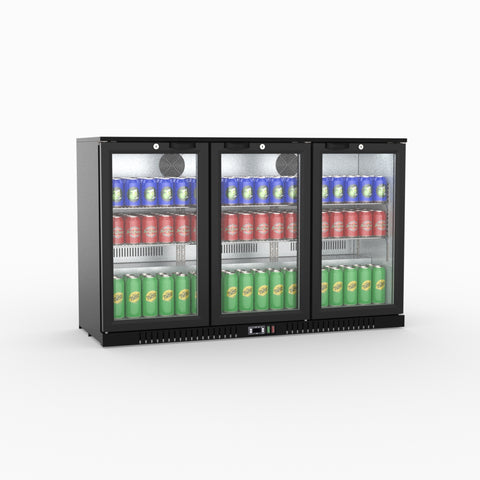

 Thermaster Under Bench Three Door Bar Cooler LG-330HC
1350(W) x 530(D) x 835(H)mm
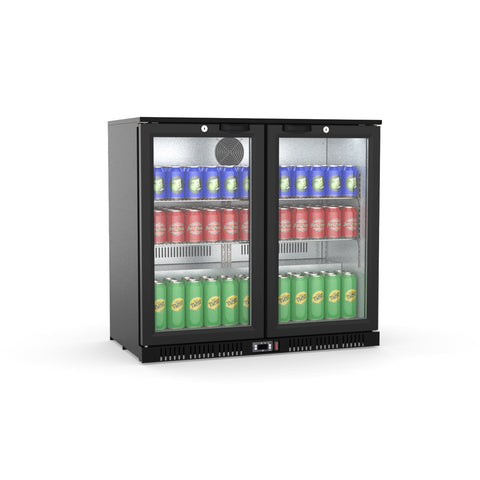
 Thermaster Under Bench Two Door Bar Cooler LG-208HC
900(W) x 530(D) x 835(H)mm
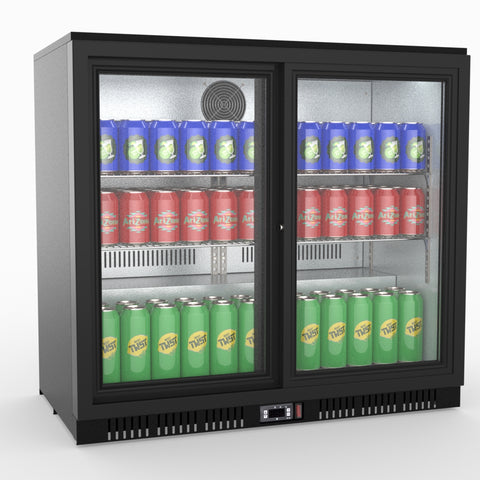
 Thermaster Under Bench Two Sliding Door Bar Cooler LG-208SC
900(W) x 530(D) x 835(H)mm
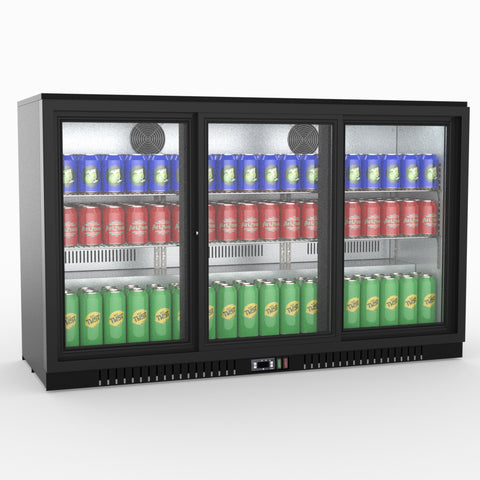
 Thermaster Under Bench Three Sliding Door Bar Cooler LG-330SC
1350(W) x 530(D) x 835(H)mm
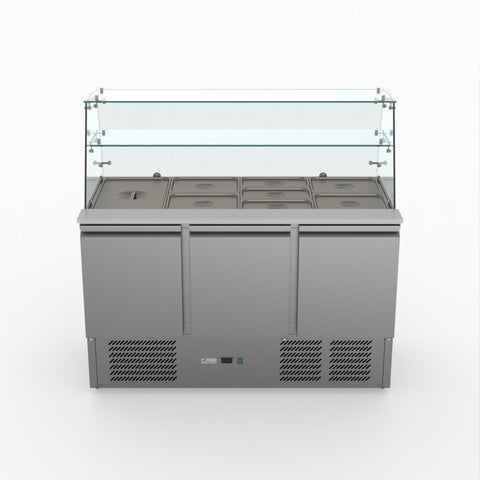

 FED-X Three Door Salad Prep Fridge With Glass Top XS903GC
1365(W) x 700(D) x 1310(H)mm
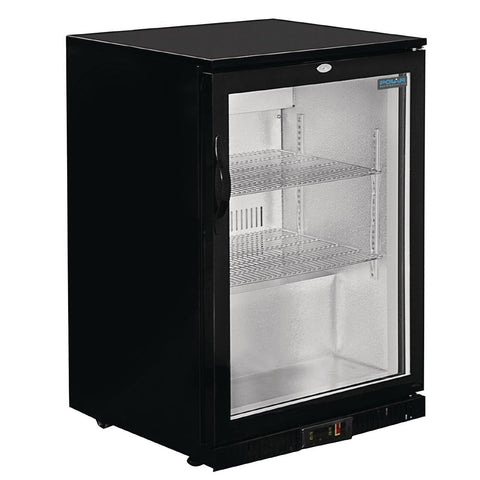
 Polar G-Series Under Counter Back Bar Cooler with Hinged Door 128Ltr - GL011-A
600(W) x 850(H) x 520(D)mm
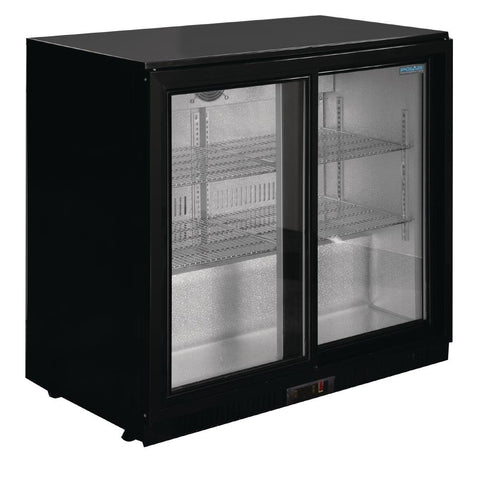
 Polar G Series Counter Back Bar Cooler with Sliding Doors 208Ltr - GL003-A
900(W) x 900(H) x 520(D)mm
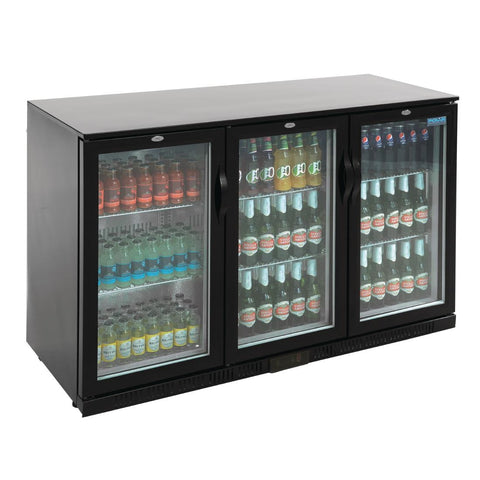
 Polar G-Series Counter Back Bar Cooler with Hinged Doors 330Ltr - GL004-A
1350(W) x 900(H) x 520(D)mm


 AG Three Door Commercial Worktop / Under Bench Fridge 700mm Depth GNX3100TN
1795(W) x 700(D) x 860(H)mm
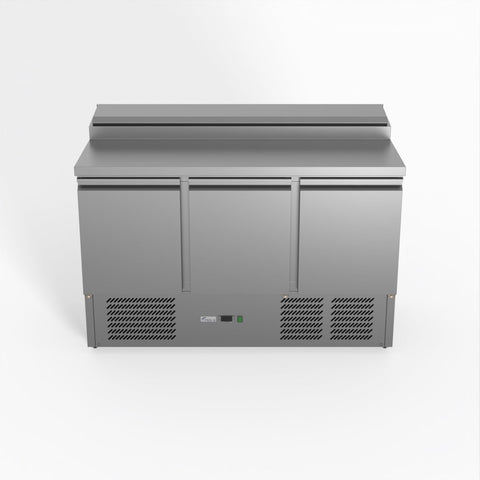
 FED-X Three Door Salad Prep Fridge XGNS1300D
1368(W) x 700(D) x 1020(H)mm
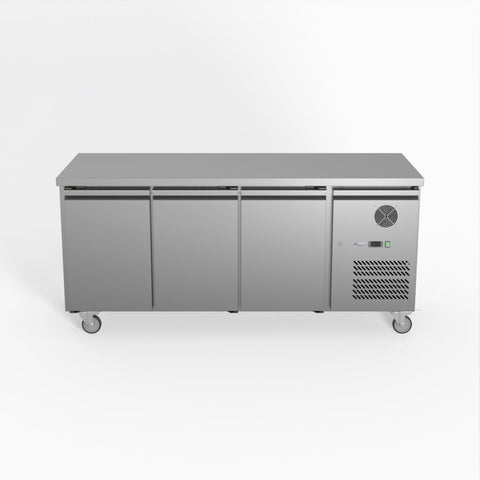
 FED-X S/S Three Door Bench Fridge XUB7C18S3V
1795(W) x 700(D) x 850(H)mm
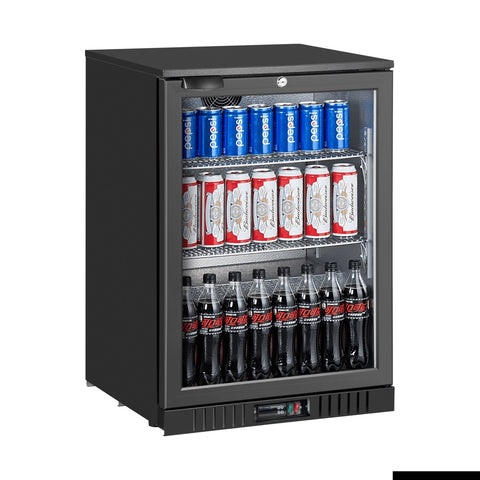
 Thermaster Under Bench Single Door Bar Cooler LG-138HC
600(W) x 530(D) x 835(H)mm
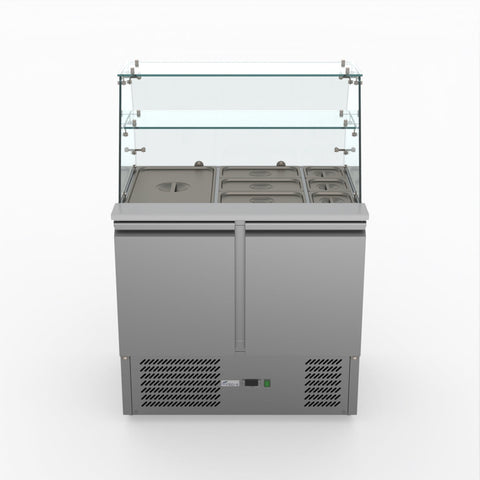
 FED-X Two Door Salad Prep Fridge With Square Glass Top XS900GC
903(W) x 700(D) x 1310(H)mm

 FED-X S/S Three Door Sandwich Counter XSS7C18S3V
1795(W) x 700(D) x 1406(H)mm
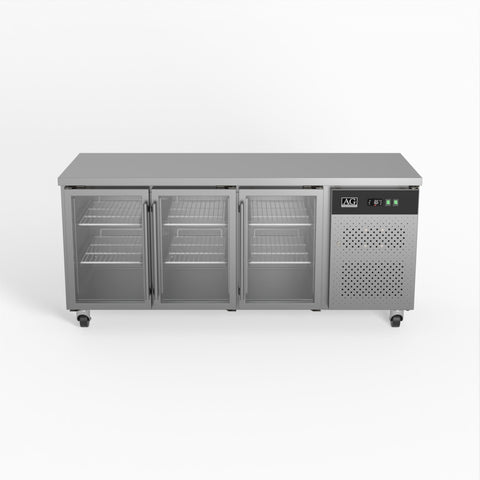
 AG Three Door Commercial Glass Door Worktop / Under Bench Display Fridge 700mm Depth GNX3100TNG
1795(W) x 700(D) x 850(H)mm
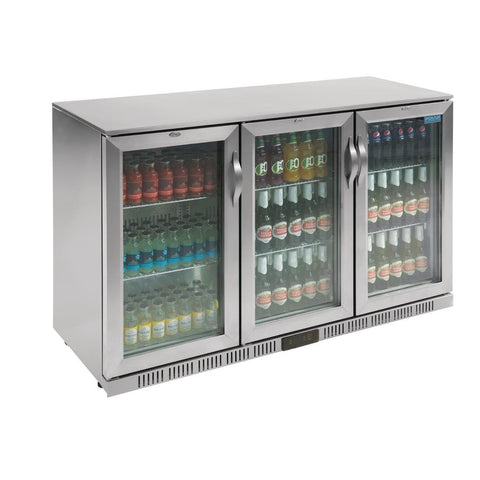
 Polar G-Series Counter Back Bar Cooler with Hinged Doors Stainless Steel 330Ltr - GL009-A
1350(W) x 900(H) x 520(D)mm

 AG 4 Door Commercial Worktop / Under Bench Fridge GNX4100TN
2230(W) x 700(D) x 850(H)mm

 AG Three Door Commercial Worktop / Under Bench Fridge 600mm Depth SLX3100TN
1795(W) x 600(D) x 850(H)mm
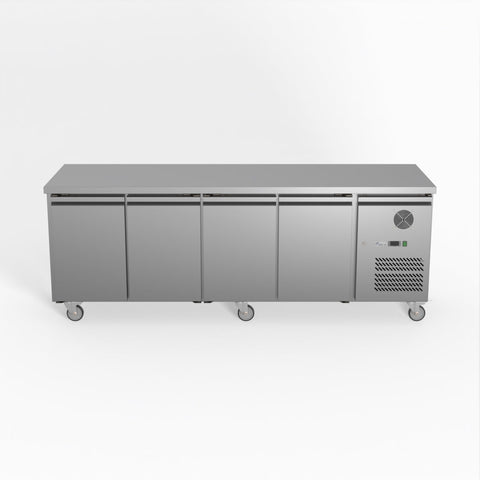
 FED-X S/S Four Door Bench Fridge XUB7C22S4V
2230(W) x 700(D) x 850(H)mm
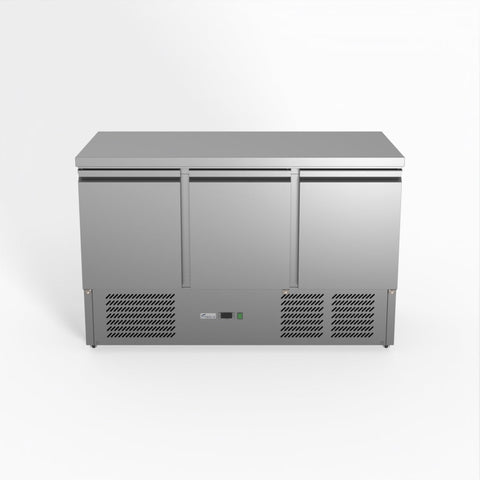
 FED-X Compact Workbench Fridge XGNS1300B
1368(W) x 700(D) x 897(H)mm
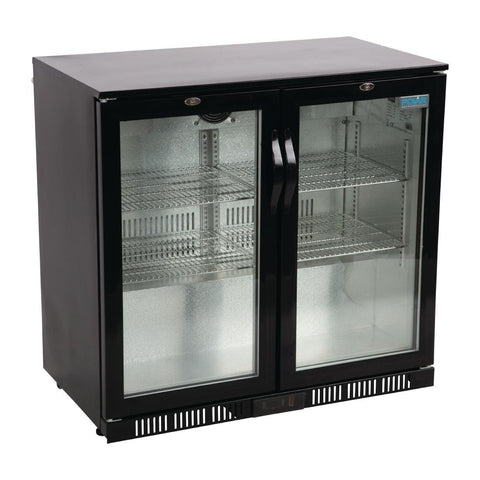
 Polar G-Series Under Counter Back Bar Cooler with Hinged Doors 198Ltr - GL012-A
900(W) x 850(H) x 520(D)mm

 AG Four Door Commercial Worktop / Under Bench Fridge SLX4100TN
2230(W) x 600(D) x 850(H)mm
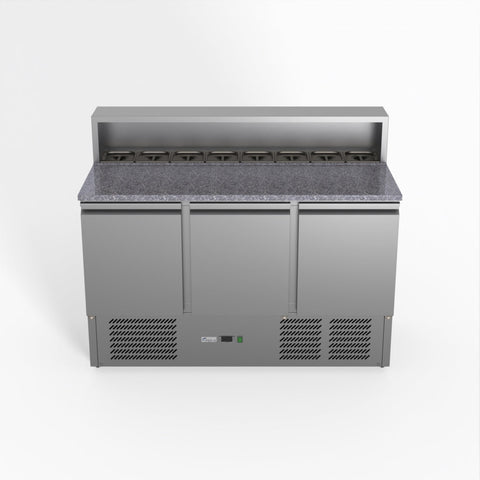
 FED-X Three Door Salad Prep Fridge With Marble Top XGNS1300E
1368(W) x 700(D) x 1107(H)mm
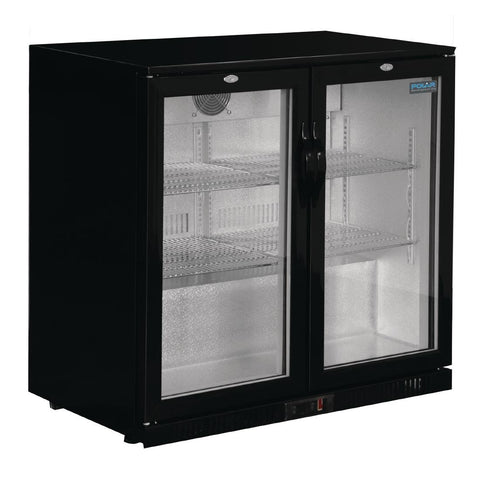
 Polar G-Series Counter Back Bar Cooler with Hinged Doors 208Ltr - GL002-A
900(W) x 900(H) x 520(D)mm

 AG 3 Saladette with G/N 1/3 GN trays x 10 SH3000-800
2020(W) x 800(D) x 1085(H)mm
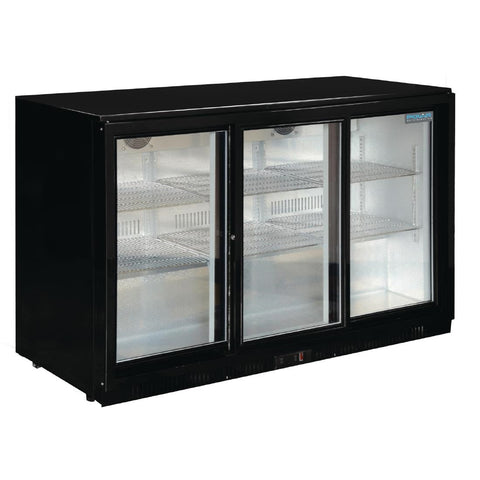
 Polar G-Series Counter Back Bar Cooler with Sliding Doors 330Ltr - GL006-A
1350(W) x 900(H) x 520(D)mm
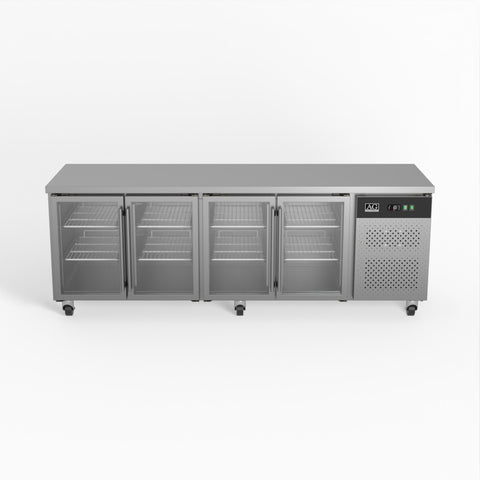
 AG 4 Glass Door Commercial Worktop / Under Bench Fridge GNX4100TNG
2230(W) x 700(D) x 850(H)mm
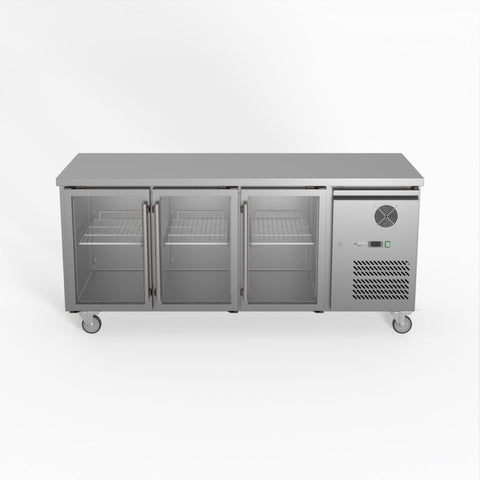
 FED-X Three Glass Door Bench Fridge XUB7C18G3V
1795(W) x 700(D) x 850(H)mm
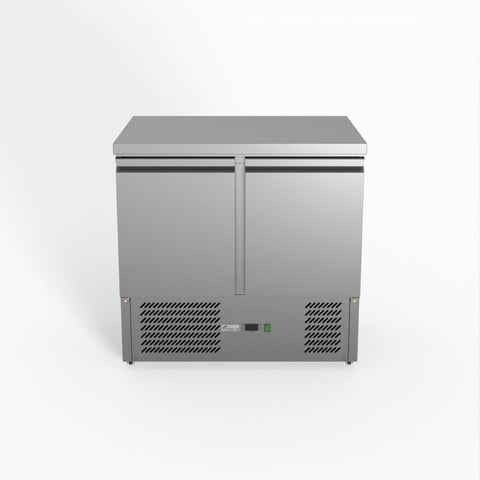
 FED-X Compact Workbench Fridge XGNS900B
903(W) x 700(D) x 897(H)mm
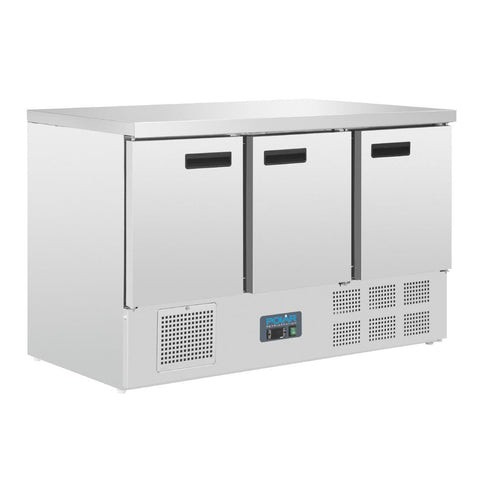
 Polar G-Series 3 Door Counter Fridge 368Ltr - G622-A
1370(W) x 880(H) x 700(D)mm

 FED-X S/S Three Door Bench Freezer XUB7F18S3V
1795(W) x 700(D) x 850(H)mm
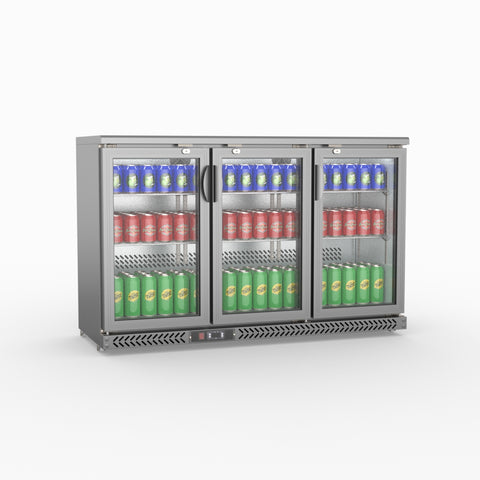
 Thermaster Three Door Stainless Steel Bar Cooler SC316SG
1350(W) x 535(D) x 900(H)mm
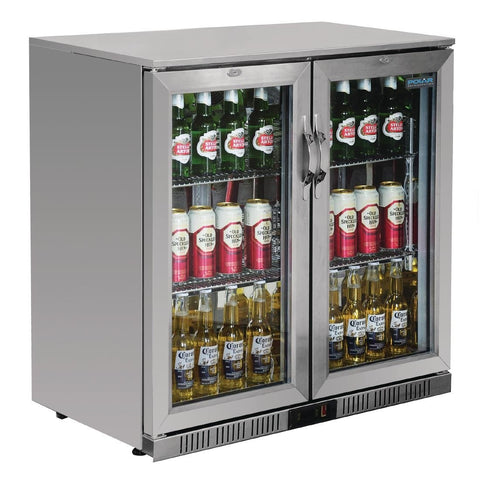
 Polar G-Series Counter Back Bar Cooler with Hinged Doors Stainless Steel 208Ltr - GL008-A
900(W) x 900(H) x 520(D)mm
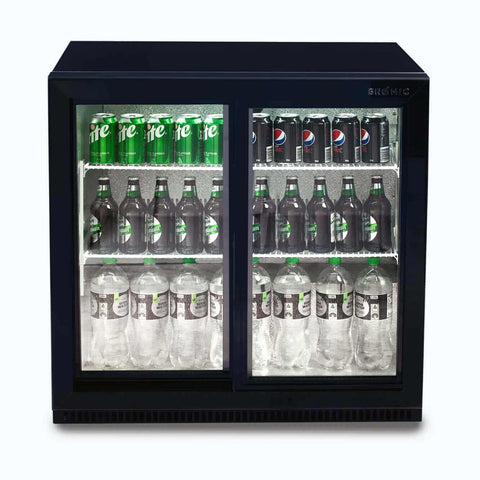

 Bromic Back Bar Fridge - 190L - 2 Doors - Sliding BB0200GDS-NR-1
865(W) x 520(D) x 870(H)mm
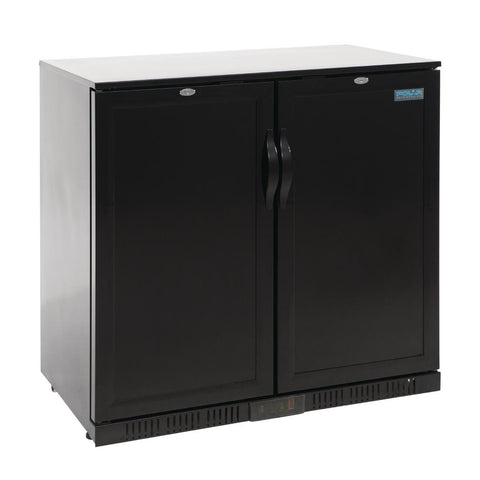
 Polar G-Series Counter Back Bar Cooler with Solid Doors 208Ltr - GL016-A
900(W) x 900(H) x 520(D)mm

 AG 3 Door Saladette Fridge - Fits 8 x 1/3 GN Trays SH3000-700
1795(W) x 700(D) x 1085(H)mm
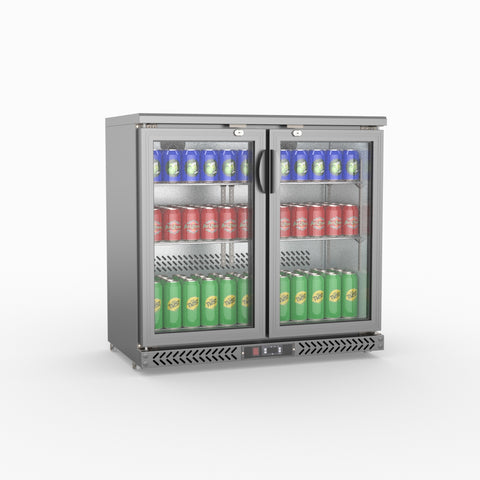
 Thermaster Two Door Stainless Steel Bar Cooler SC248SG
900(W) x 535(D) x 900(H)mm
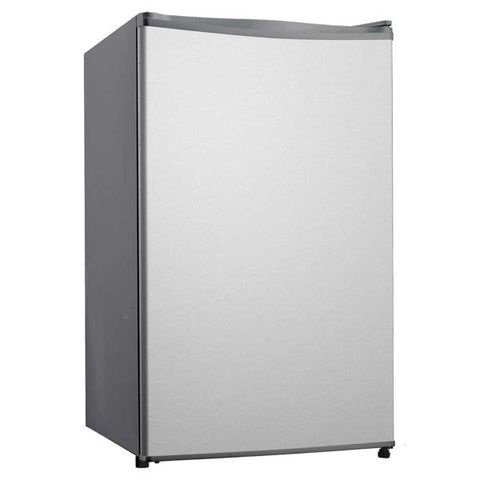
 Thermaster Bar Fridge DC-122Q
524(W) x 532(D) x 831(H)mm

 Polar G-Series Pizza Prep Counter Fridge 390Ltr - G605-A
1370(W) x 1010(H) x 702(D)mm

 AG Two Door Commercial Worktop / Under Bench Fridge SLX2100TN
1360(W) x 600(D) x 850(H)mm

 FED-X Two Door Salad Prep Fridge XGNS900D
903(W) x 700(D) x 1020(H)mm
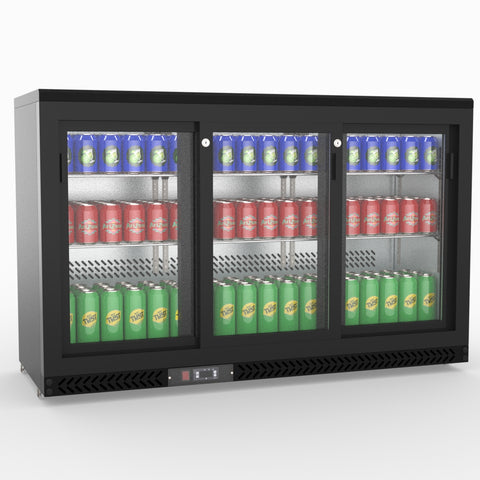
 Thermaster Three Sliding Door Bar Cooler SC316SD
1350(W) x 535(D) x 900(H)mm
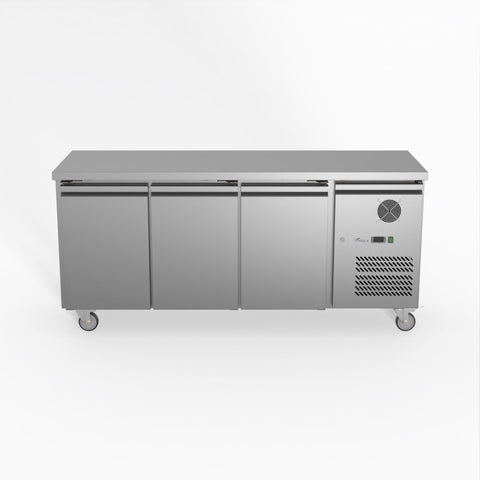
 FED-X S/S Three Door Bench Fridge XUB6C18S3V
1795(W) x 600(D) x 850(H)mm
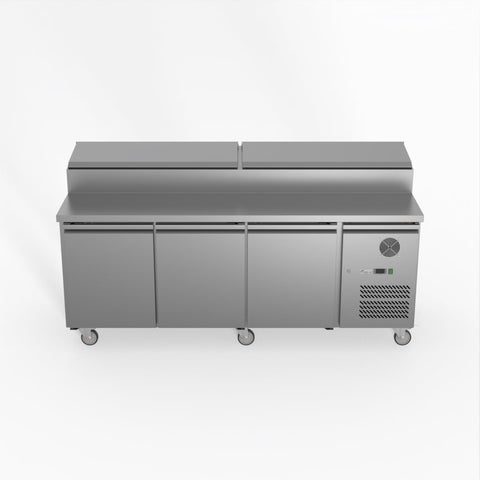
 FED-X S/S Three Door Sandwich Counter XSS8C20S3V
2020(W) x 800(D) x 1406(H)mm
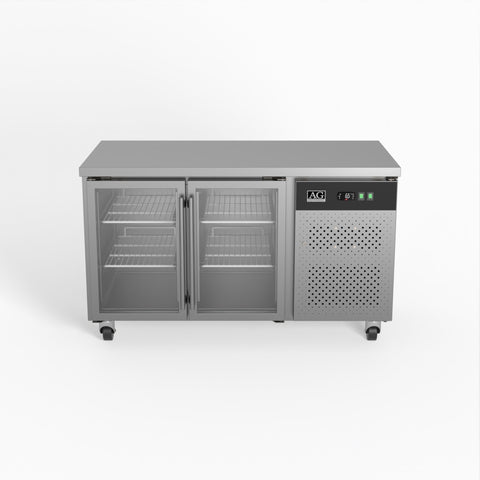
 AG Two Door Commercial Glass Door Worktop / Under Bench Display Fridge 700mm Depth GNX2100TNG
1360(W) x 700(D) x 850(H)mm
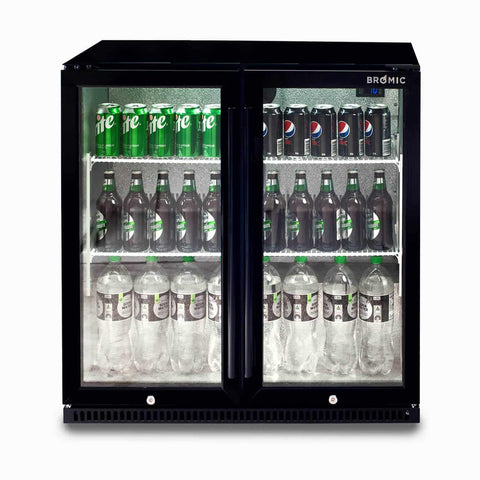
 Bromic Back Bar Fridge - 190L - 2 Doors - Hinged BB0200GD-NR-1
865(W) x 543(D) x 870(H)mm

 AG Two Door Commercial Worktop / Under Bench Fridge 700mm Depth GNX2100TN
1360(W) x 700(D) x 850(H)mm
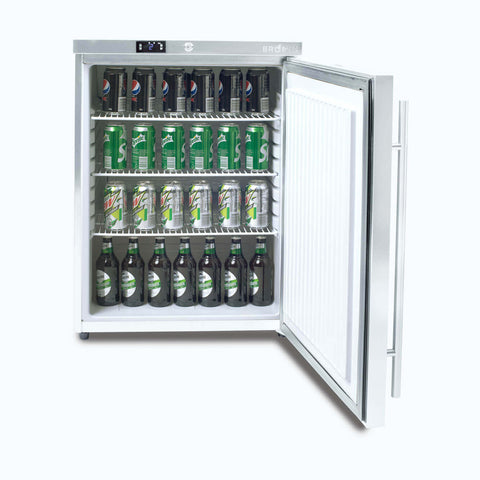
 Bromic Under Bench Fridge - 138L - 1 Door - Stainless Steel UBC0140SD-NR
598(W) x 643(D) x 824(H)mm
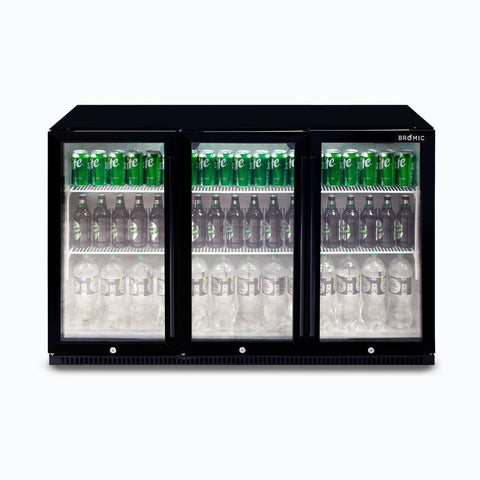
 Bromic Back Bar Fridge - 307L - 3 Doors - Hinged BB0330GD-NR-1
1350(W) x 543(D) x 870(H)mm
Under counter fridges are sold by the door, so single, double, three door and four door, with solid stainless doors or glass ones. They're built to stand in the bench run rather than against a wall, and they all fit under a standard commercial bench.
Depths differ too, from 600 to 800 mm across the AG models alone, so a shallow bar and a deep kitchen bench take different cabinets. Whatever the requirement, REO has the solution under one roof. Back bar coolers come from Polar, Thermaster, Bromic and Atosa, the stainless bench and worktop fridges from FED-X, AG Equipment, Skope and Skipio, and salad and pizza prep counters add gastronorm wells in the top.
All of them double as work top fridges. The stainless top is built to be prepped on, so the cabinet either slides under a bench or becomes the bench itself. They arrive on wheels, and the wheels swap out for legs.
Door widths vary as well, because the standard opening is sized around gastronorm, and wider-door models take bakery trays. The motor is on the left or the right depending on the model, and that's the end that needs air. Tell us the configuration you're after, the space you've got and the ventilation you can give it, and we'll match a unit to it.
Door count is how these get sold and it's the quickest way to narrow things down. A single door suits a coffee station, a satellite section or a small bar. A double door is the workhorse under a standard prep bench, a three door covers a full section and is the most common size in a working kitchen, and a four door suits a long run under a pass or a busy pizza bench.
Work back from the bench length you're filling. Two double door cabinets will often fit a run that one four door won't, and you get two compressors instead of one, so if one fails mid-service you've still got half the section running. What it costs you is a second set of running costs and a joint in the middle of your work top.
Commercial under bench fridges are the plain stainless workhorses, solid or glass doors, with nothing on top but a work surface. Commercial bar fridges are the back bar version, usually glass fronted and shelved for bottles and cans, and often with sliding doors for a tight aisle. Commercial pizza prep fridges carry a chilled topping rail above the cabinet, so your bases and toppings both come off the one unit.
Commercial salad bar fridges hold gastronorm wells in the top under a flat, square or curved glass guard, which suits sandwich and salad work in front of a customer. Chef base refrigerators are the low drawer version, built to take a chargrill, a salamander or a fryer standing on top of them at the cook line. Turbo Air, Williams, Electrolux, FED-X and Thermaster all build them.
A front-breathing unit draws air in and pushes it back out through a grille at the front, usually in the plinth or the kick strip, and a rear-breathing one takes air in and discharges it at the back or the sides. Both hold temperature perfectly well out in the open, so the difference only starts to matter once the cabinet is enclosed.
If the fridge is going into a joinery run, boxed in on three sides or slid tight between two benches, it has to be front-breathing. A rear-breathing unit in a sealed pocket draws its own hot discharge air straight back into the condenser, so it never holds temperature.
Where the cabinet stands free under an open bench with real space behind it either type works, and rear-breathing models are often better value. Tell us how it's being installed before you pick the model.
Head pressure rises. The compressor is working against a condenser that can't shed its heat, so the unit runs longer and longer cycles, draws more power and still sits above setpoint. Usually you'll see it a few degrees high all afternoon and only coming right overnight once the kitchen has cooled down. Eventually the compressor cuts out on its overload, or fails early.
Starved airflow comes from three places: a cabinet built into joinery with no air path, a grille blocked by boxes and packaging, or a coil furred up with dust and grease. The first is a design fault and the other two are maintenance, and none of them is a warranty claim. A technician can usually tell you which one it was within a minute of pulling the plinth off.
Yes, that's what the top is for. These are work top fridges as much as under counter fridges, and the stainless lid is built as a work surface, so you portion, plate and build straight on it. The cabinet either slides under an existing bench or becomes the bench, and in a small kitchen that's the whole argument for buying one.
There are two things to watch. Use a board instead of cutting on the stainless, and keep hot pans off the lid unless it's a chef base built to carry cooking equipment. If the section needs chilled wells for garnishes and toppings, you want a salad bar or pizza prep counter instead, because the wells and lids are part of those units and can't be added later.
Solid stainless doors insulate better, cost less to run and take knocks in a busy section, and they hide the contents, which suits raw product and backup stock sitting under the bench.
Glass doors are for the customer side of the counter, or for a bar where staff want to find a bottle without holding the door open and losing temperature. The trade-off is heat coming through the glass and, in a humid room, condensation on it, which is why heated glass door models exist. If the cabinet is going under a bench in a hot kitchen with the doors facing a wall, a glass door only puts more heat into the cabinet for the compressor to pull out again.
These cabinets are built at 600, 700 and 800 mm, and a 700 mm unit pushed into a 600 mm run will stand proud and foul the walkway. Measure the depth of the run first, then the clear width, then the height from the floor to the underside of the benchtop.
Take that height where the cabinet is actually going to stand, because kitchen floors are rarely level and a bench that measures true at one end often isn't at the other.
Cabinets arrive on wheels and the wheels swap for legs. Wheels are handy if the unit has to be rolled out for cleaning, and legs suit one that's staying put, because they adjust for level and lift the cabinet clear so you can mop underneath.
Door widths vary between models, so settle this before you order. The standard opening is sized around gastronorm, so GN pans and the shelves that carry them go straight in without turning. Wider-door models are made to take bakery trays, which are wider than a GN pan, so if you're running a bakery or a patisserie a standard GN door costs you a handling step at every rack.
REO recommends buying your pans from the same supplier as the cabinet. Gastronorm is a standard size, but small differences between brands mean a cross-brand fit can't be guaranteed, and a pan sitting a millimetre proud of the runners is a nuisance every service. If the section needs frozen product as well, under counter freezers are built to stand in the same bench run.
Both are made, and yes, it matters. The motor housing takes up one end of the cabinet, so that end loses internal space and that's the end that has to breathe. Keep the motor away from the heat, so never up against a fryer, an oven, a chargrill or a dishwasher exhaust, and never with its grille buried in joinery.
In a fitted run the motor side also decides which end of the bench loses storage and where the services land. On most models this gets chosen when you order and can't be swapped later, so work it out with the bench layout in front of you and then tell us which side you need.
REO's prices are sharp, and there's a wide spread here. A single door bar cooler is a small buy, while a run of four door worktop cabinets and a pizza prep counter is a big one, and it usually lands in the same week as the joinery and the cooking line.
Silverchef Rent-Try-Buy is the other way to pay for it. You rent the fridge, so your cash stays free for the rest of the fit-out, and the rent is an operating expense that goes through your running costs. When trade settles you buy the unit out, or move up to a bigger one as the kitchen grows. Ask your accountant how it works for your venue.

We have a special page just for stock that's warehoused in Perth.
Click Here to see all WA stock