


 03 9070 5784
 Help & Support
 Track My Order



Recently Viewed
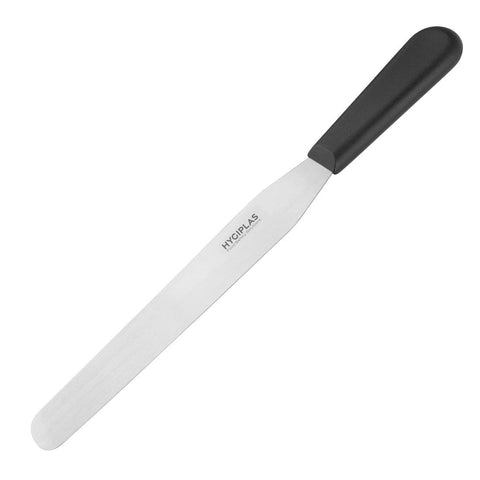

 Hygiplas Straight Blade Palette Knife Black 255mm - D406
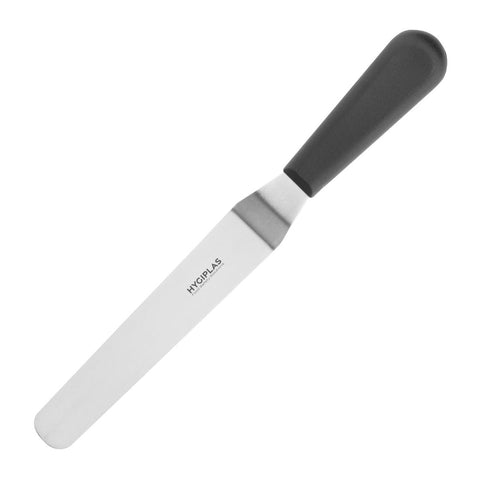

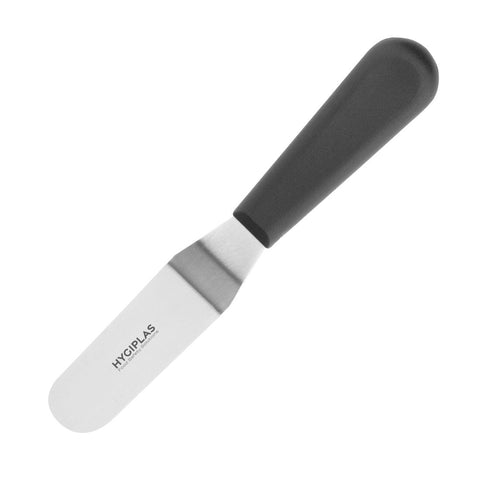
 Hygiplas Palette Knife Angled Blade Black 100mm - D420
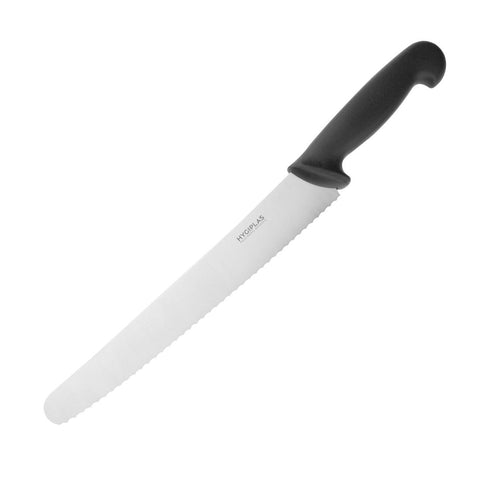
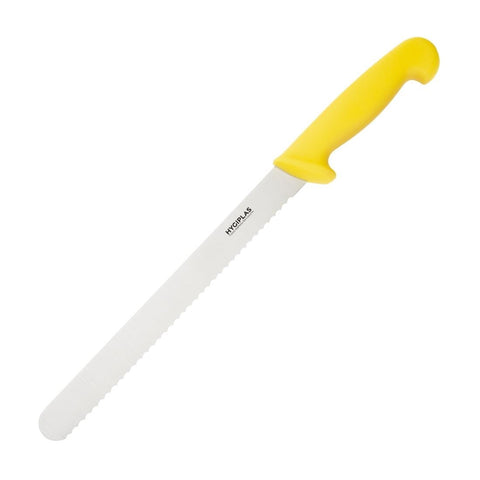
 Hygiplas Serrated Pastry Knife Black 255mm - CF895
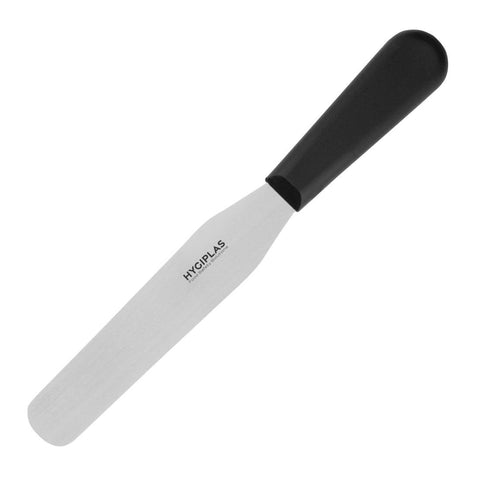

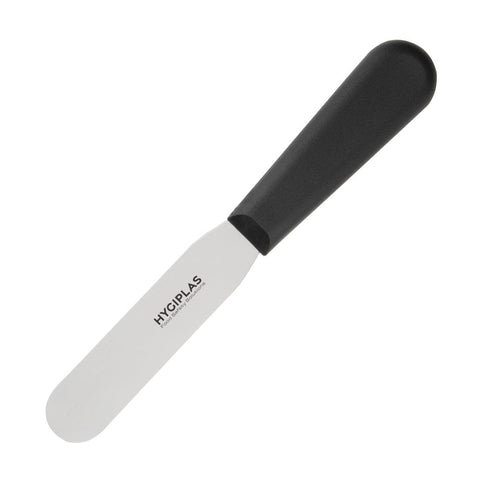
 Hygiplas Straight Blade Palette Knife Black 100mm - D401

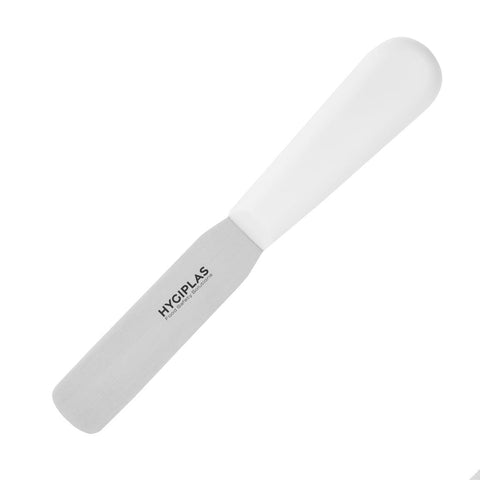
 Hygiplas Straight Blade Palette Knife White 100mm - C538
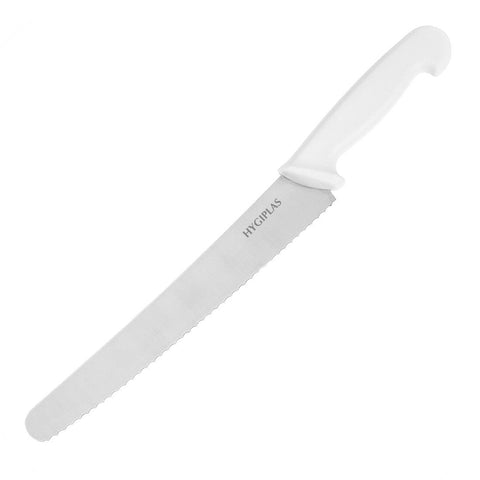
 Hygiplas Serrated Pastry Knife White 255mm - FX127
A pastry knife is a bench tool rather than a prep knife, shaped to cut through soft, layered and iced work without compressing it. Our pastry knives come as long thin blades for torting and slicing cake, offset blades that keep knuckles off the tray, serrated knives for choux and puff, and the shallower bakery knife used for scoring dough. Delivered anywhere in Australia.
Pastry knives lift and portion on a tray where a chef's knife would drag filling through the layers. A warmed pastry blade cuts ganache and cheesecake cleanly; a cold one tears. Keep them with the rest of the bakery accessories rather than in the main knife block.
Picking the blades a pastry bench needs? The price guide lists the long thin, offset and serrated knives together, so you can see which lengths are worth holding two of.
A bread knife is built to saw through a hard crust and is long and aggressive. A pastry knife is built to pass through a soft structure without crushing it, so it is thinner and often finer-toothed or plain-edged.
The overlap is real — both cut cake well — but a bread knife will tear a delicate mousse layer that a pastry blade goes straight through.
Serrated for anything with a crisp shell or a crumb that compresses: puff, choux, sponge, cheesecake bases. Straight for ganache, set creams, fondant and anything where a tooth pattern would show on the cut face.
A pastry section wants both. The pastry cutters and rollers range covers the shaping tools that go with them.
It lifts the handle above the tray, so you can cut all the way through a slab on a baking tray without your knuckles hitting the edge. For portioning slices in a tray it is the difference between neat and approximate.
It also helps when the product is taller than the bench clearance, which happens with layered gateaux.
Warm the blade in hot water, dry it completely, cut in one pass, then wipe and repeat. The heat lets the fat release rather than smear, and the wipe is what keeps the next cut clean.
Working with a cold product and a warm blade is the general rule. A pastry fridge holding product properly firm makes all of this easier.
A bakery knife or a lame is the proper tool for scoring, because scoring wants a very thin, very sharp edge at a shallow angle. A pastry blade is too thick and will drag the dough.
Keep them separate. The bakery equipment range covers the proving and baking side.
By hand, immediately, in hot water, because sugar and fat set hard on a blade and then need scrubbing. A commercial dishwasher dulls a fine edge and is slower in practice.
Dry it straight away. A thin blade left wet spots faster than a thick one.
A palette knife, a scraper, a ruler or guide for even portions, and a turntable if you ice. The dough scrapers and pastry brushes ranges cover most of the rest.
Keep the pastry knives away from savoury prep. A blade that has been through onion will carry it into a dessert.

We have a special page just for stock that's warehoused in Perth.
Click Here to see all WA stockWhat our customers say about us on Google, and how Google scores our store for things like shipping and returns.
Store scores from Google