


 03 9070 5784
 Help & Support
 Track My Order



Recently Viewed

 Bestwhip Cream Charger Bulbs Pkt 10 / 40 Ctn - CGB1001
205(W) x 150(H) x 395(D)mm
 Bestwhip Barista Pro 1L Cream Gun - CGB0004
108(W) x 356(H) x 108(D)mm
 Bestwhip Cream Gun 500ml - CGB0001
89(W) x 330(H) x 89(D)mm
 Bestwhip Barista Pro 500ml Cream Gun - CGB0003
89(W) x 305(H) x 89(D)mm
 Bestwhip Soda Charger Bulbs CO2 - CGB9999
200(W) x 230(H) x 245(D)mm
 Bestwhip Cream Gun 1L - CGB0002
114(W) x 356(H) x 114(D)mm
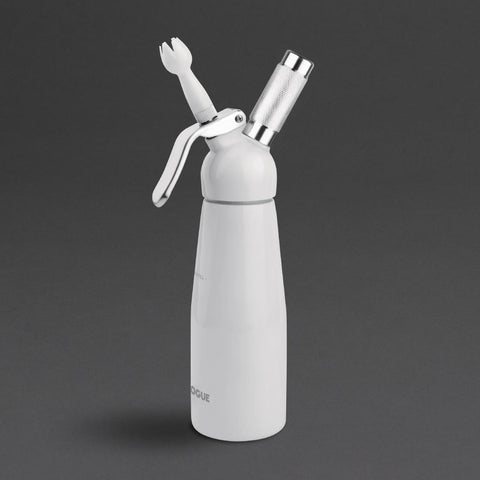

 Vogue Cream Whipper 500ml - CB162
80(W) x 253(H) x 115(D)mm
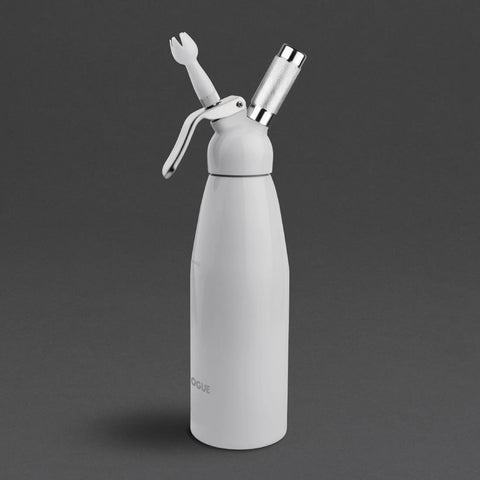
 Vogue Cream Whipper 1Ltr - GG485
110(W) x 335(H) x 94(D)mm
Cream chargers and whippers give a pastry or bar section whipped cream, foams and espumas on demand, with the same texture every time. A cream whipper holds the liquid and the gas; the charger supplies the nitrous oxide that does the work when the lever is pressed.
The decisions are body material, capacity and whether the parts are serviceable. A commercial cream whipper in stainless takes daily use where an aluminium one will dent; a replaceable head gasket means a leaking whipper is a cheap fix rather than a new unit. Whipped cream dispensers are pressure vessels, so condition matters more than price.
They sit in the pastry and baking supplies range beside pastry cutters and rollers and commercial whisks, and are used alongside stick blenders and pastry fridges and freezers.
Weighing up two small whippers against one large one? The price guide prices the bodies, the chargers and the spare gaskets together.
One that matches a service rather than a day. Cream left in a charged whipper loses texture, so a whipper sized far beyond your turnover means discharging and refilling product that could have stayed cold.
Two smaller whippers usually beat one large one: one in service, one being washed or chilling. Stated capacities are on the product page specifications.
Stainless for anything in daily commercial use. Aluminium is lighter and cheaper but dents, and a dented pressure vessel is one you should stop using rather than keep.
Check that the head and gasket are available as spares before you standardise. A whipper you cannot service is a disposable item.
Usually one of three things: the cream was not cold enough, the unit is overfilled past its fill line, or the gasket is worn and the gas is escaping. Overfilling is the most common of the three.
Fill to the line, chill the liquid properly and shake as the maker specifies. Keep the base in a commercial fridge between uses.
Cool, dry, upright and away from heat sources, and never anywhere they could be struck. They are small pressurised cylinders and heat is the thing to keep them away from.
Keep them in their box rather than loose in a drawer, and follow the handling and disposal instructions printed on the charger and on the product page specifications.
Fully discharged first, then dismantled — head, gasket and nozzle separately. Cream dries inside the head and in the nozzle channel, and a whipper washed assembled is a whipper that smells after a week.
Wash the parts by hand unless the product page says otherwise, and dry before reassembling. Do not store it assembled and charged.
Yes — savoury foams, infusions and aerated purees are all standard uses, and that is much of why they are on a modern pass. Anything with pulp or solids has to be strained first or it blocks the nozzle.
Strain through a fine chinois before charging. A blocked nozzle under pressure is the failure you want to avoid.
Any dent in the body, any crack or distortion in the head, or a gasket that no longer seals after replacement. These are pressure vessels, so condition is not a cosmetic question.
Replace rather than repair anything structural, and keep spare gaskets and nozzles on hand so the easy faults get fixed instead of worked around.

We have a special page just for stock that's warehoused in Perth.
Click Here to see all WA stockWhat our customers say about us on Google, and how Google scores our store for things like shipping and returns.
Store scores from Google