


 03 9070 5784
 Help & Support
 Track My Order



Recently Viewed
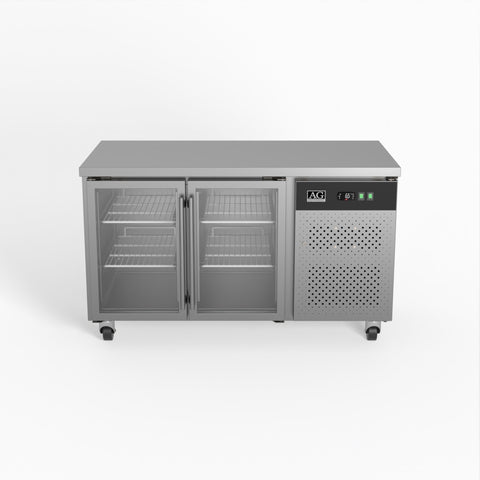

 AG Two Door Commercial Glass Door Worktop / Under Bench Display Fridge 700mm Depth GNX2100TNG
1360(W) x 700(D) x 850(H)mm
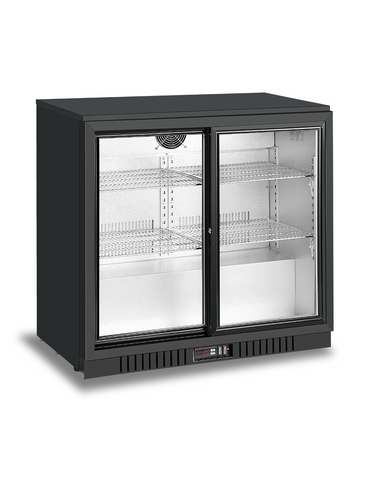

 2 Door Bar Fridges Sliding Door | Atosa | BB-208SEC
900(W) x 520(D) x 835(H)mm
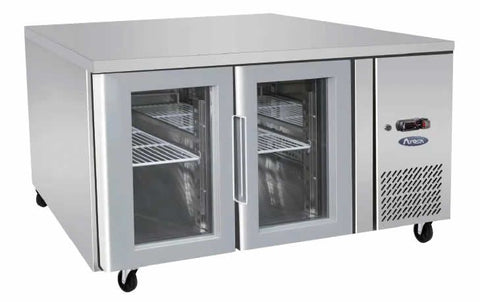
 Commercial Under Bench Fridges Glass Two Door | Atosa | EPF3721
1360(W) x 700(D) x 840(H)mm
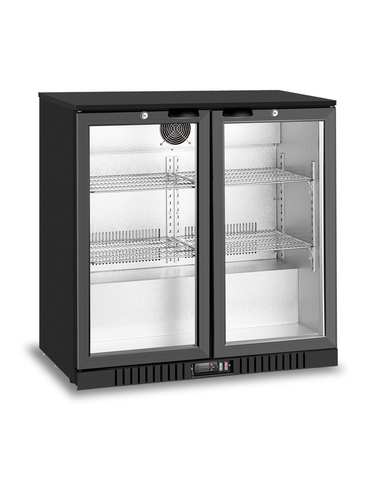
 2 Door Bar Fridges Swing Door | Atosa | BB-208HEC
900(W) x 530(D) x 835(H)mm

 Skipio 280 Two Glass Door Underbench Fridge SGR12-2
1200(W) x 700(D) x 855(H)mm
 Skipio 395 Two Glass Door Underbench Fridge SGR15-2
1500(W) x 700(D) x 855(H)mm

 Williams Cameo 2 Solid Door Back Bar Fridge - Stainless Steel HC2USSHC
1497(W) x 650(D) x 1050(H)mm
 Williams Cameo Mini 2 Glass Door Back Bar Fridge - Black HCM2UGBHC
1497(W) x 650(D) x 850(H)mm
 Williams Cameo 2 Glass Door Back Bar Fridge - Stainless Steel HC2UGSHC
1497(W) x 650(D) x 1050(H)mm
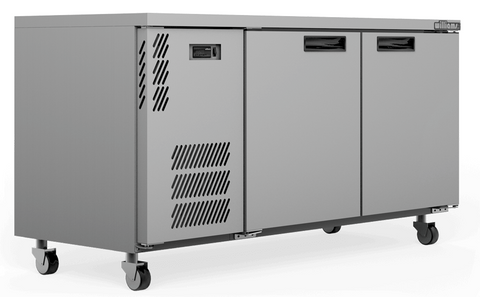
 Williams Boronia 2 Solid Door Fridge - Stainless Steel HB2USSHC
1603(W) x 650(D) x 845(H)mm
 Williams Boronia 2 Solid Door Fridge - Black HB2USBHC
1603(W) x 650(D) x 845(H)mm
 Williams Cameo 2 Glass Door Back Bar Fridge - Black HC2UGBHC
1497(W) x 650(D) x 1050(H)mm
 Williams Cameo 2 Solid Door Back Bar Fridge - Black HC2USBHC
1497(W) x 650(D) x 1050(H)mm
 Williams Cameo Mini 2 Glass Door Back Bar Fridge - Stainless Steel HCM2UGSHC
1497(W) x 650(D) x 850(H)mm
 Williams Boronia 2 Glass Door Fridge - Stainless Steel HB2UGSHC
1603(W) x 650(D) x 845(H)mm
 Williams Boronia 2 Glass Door Fridge - Black HB2UGBHC
1603(W) x 650(D) x 845(H)mm
 Williams Boronia - Two Door Stainless Steel Remote Back Bar Counter Display Refrigerator HB2RSS
1385(W) x 650(D) x 875(H)mm
 Williams Boronia - Two Door Black Colorbond Remote Back Bar Counter Display Refrigerator HB2RSB
1385(W) x 650(D) x 875(H)mm
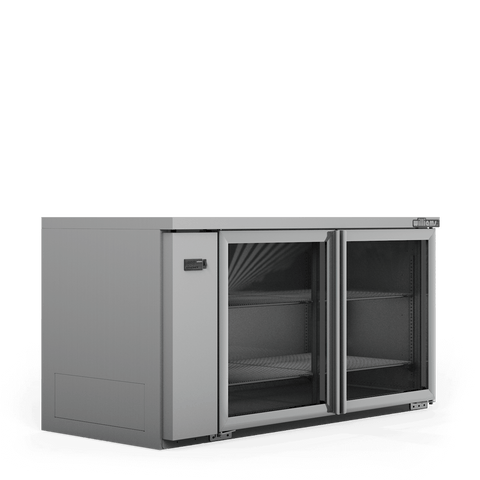
 Williams Boronia - Two Door Stainless Steel Remote Back Bar Counter Display Refrigerator HB2RGS
1385(W) x 650(D) x 875(H)mm
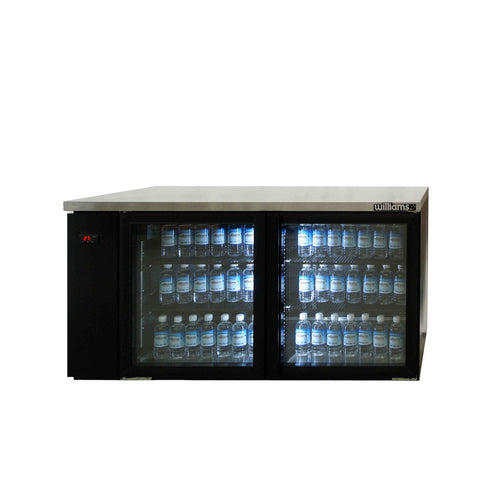
 Williams Boronia - Two Door Black Colorbond Remote Back Bar Counter Display Refrigerator HB2RGB
1385(W) x 650(D) x 875(H)mm
A double door bar fridge covers most suburban pubs, clubs and restaurants: enough chilled stock for a full service without a mid-shift restock, in a unit that still fits under the bar.
2 door bar fridges, also listed as a 2 door bar cooler or double door bar cooler, come with glass or solid doors and, in some models, sliding doors for tight walkways. Smaller sites use 1 door bar fridges; busier ones 3 door bar fridges.
Spread the cost of a new bar fridge with SilverChef Rent-Try-Buy.
For most suburban venues, yes. If the fridge empties before close, move up a size.
Compare the range in commercial bar fridges.
Sliding doors keep the walkway clear behind a narrow bar; hinged doors seal a little better.
Under-bench options are in commercial under counter fridges.
Glass shows the stock and speeds up service; see commercial glass door fridges. Glass is double glazed and may hold the cold slightly less well than a solid panel, but staff see what is in there without opening the door, where a solid door gets opened and closed all night. We would not claim either one is cheaper to run. Buy solid because it is the cheaper cabinet and it takes knocks where nobody is looking at it.
Back-of-house stock sits in commercial upright fridges.
A power point and ventilation clearance at the back or base. Check the product page before building it in.
Energy use matters over long hours; see energy efficient fridges.
Most venues serve beer between 2 and 4 degrees, and every model lists its operating range on the product page. What matters more in practice is recovery: a fridge that holds temperature while the doors open all night.
For glassware, a commercial glass chiller does a job a bar fridge cannot.

We have a special page just for stock that's warehoused in Perth.
Click Here to see all WA stockWhat our customers say about us on Google, and how Google scores our store for things like shipping and returns.
Store scores from Google