


 03 9070 5784
 Help & Support
 Track My Order



Recently Viewed


 Vogue Mini Glass Terrine Jar 50ml (12 Pack) - CG398
60(W) x 80(H) x 60(D)mm

 Vogue Mini Glass Terrine Jar 70ml (12 Pack) - CG399
40(W) x 80(H) x 40(D)mm
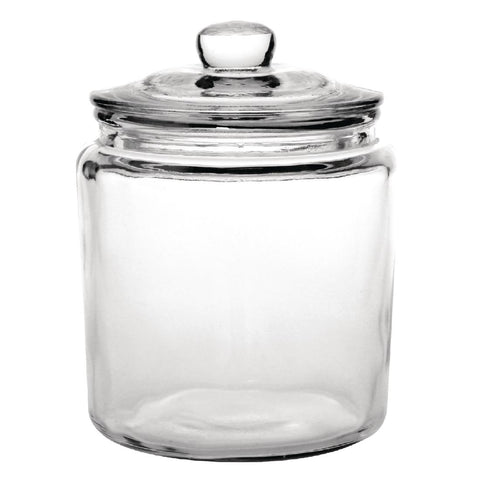

 Olympia Biscotti Jar 3.8Ltr - GG925
200(W) x 252(H) x 200(D)mm
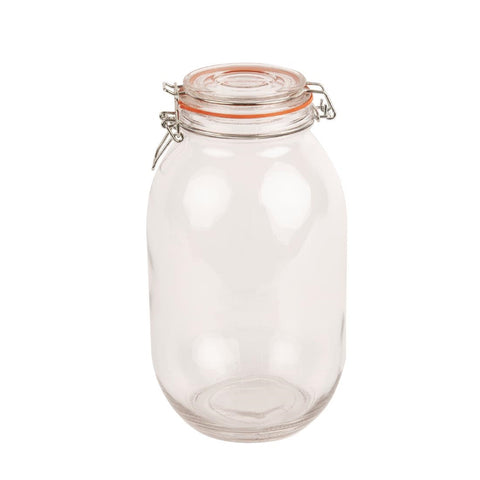
 Vogue Clip Top Preserve Jars 3Ltr - P495
135(W) x 285(H) x 135(D)mm
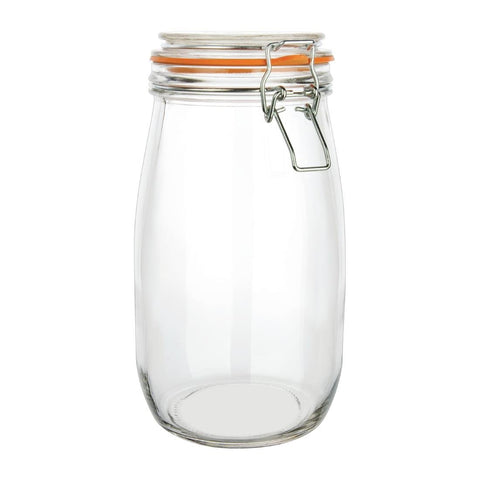
 Vogue Clip Top Preserve Jar 1.5Ltr - P493
90(W) x 222(H) x 90(D)mm
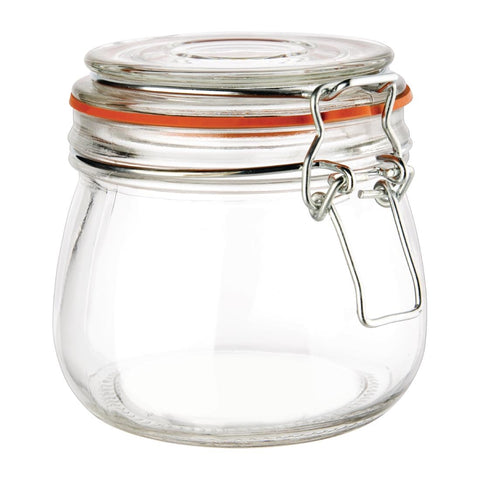
 Vogue Clip Top Preserve Jars 500ml - P490
89(W) x 105(H) x 89(D)mm
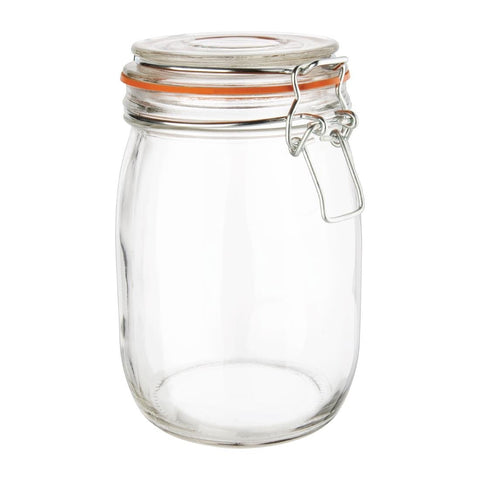
 Vogue Clip Top Preserve Jars 1Ltr - P492
90(W) x 175(H) x 90(D)mm
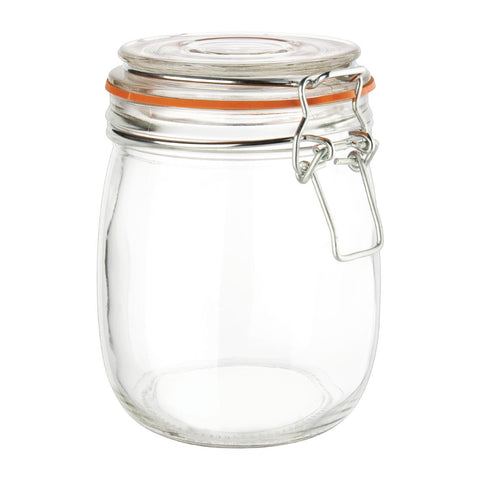
 Vogue Clip Top Preserve Jars 750ml - P491
90(W) x 145(H) x 90(D)mm
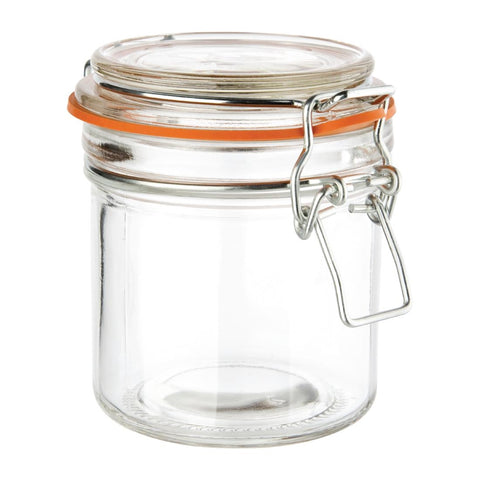
 Vogue Clip Top Preserve Jars 285ml (Pack of 6) - GH329
80(W) x 100(H) x 80(D)mm
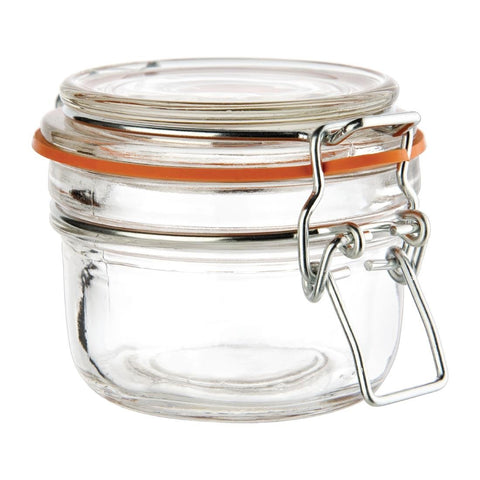
 Vogue Clip Top Preserve Jars 125ml - GH327
85(W) x 70(H) x 85(D)mm
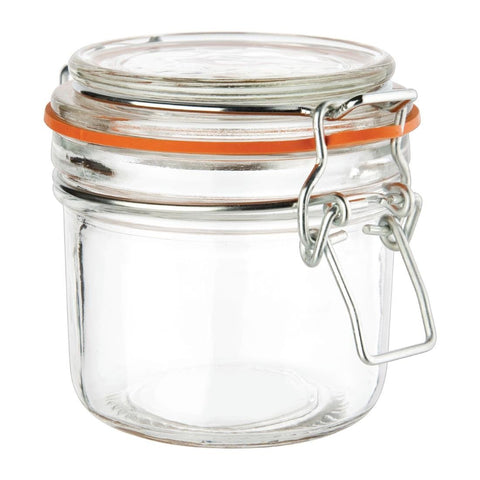

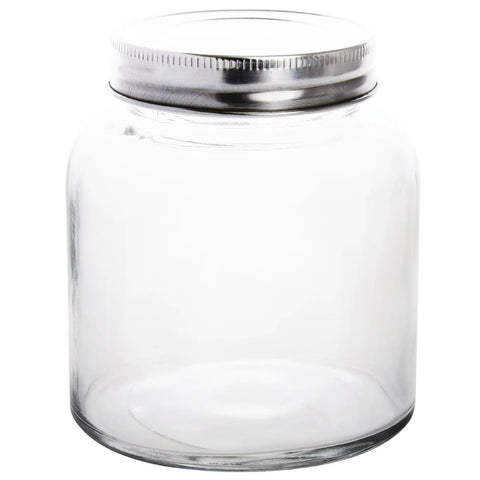
 Vogue Screw Top Preserve Jars 330ml - CP082
84(W) x 100(H) x 84(D)mm
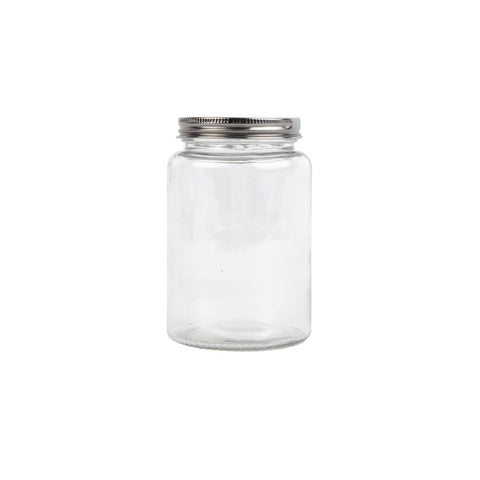
 Vogue Screw Top Preserve Jars 550ml - CP083
87(W) x 131(H) x 87(D)mm
Preserving jars are what a kitchen packs its own pickles, ferments, conserves and infusions into. A preserving jar seals with a lid and gasket designed to be used repeatedly, which is what separates it from a jam jar with a twist cap.
What to compare is the closure and whether you can get replacement gaskets. Clip-top jars with a rubber gasket reseal reliably; screw-band jars use a flat lid and a band. Jars for preserving food are only as good as the seal, and a gasket you cannot replace makes the jar a one-season purchase.
Jars sit in the food storage range beside kitchen storage boxes and gastronorms and containers, and are filled using ladles and funnels from the utensils range.
Still deciding between clip-top and screw-band before you buy a carton? Ask for the price guide and compare the jars and the spare gaskets in one place.
Clip-top jars are faster to fill and close and the gasket is replaceable, which suits a kitchen doing short runs often. Screw-band jars use a separate flat lid, which gives a very reliable seal but the lids are usually single-use.
Decide by how often you run. Frequent small batches favour clip-tops; big seasonal runs favour screw-bands.
By testing it rather than looking at it. A properly sealed jar holds a vacuum, so the lid will not flex and the clip or band will be under tension, and a jar that fails will usually fail within the first day.
Follow a tested preserving method from a reliable source for the specific product rather than a general rule. We do not publish processing times or temperatures against jars.
Yes, and it is the thing most often neglected. Rubber hardens and takes a permanent set, and a flattened gasket will look fine and seal badly.
Keep a stock of spares and replace them as a batch rather than one at a time. Check whether spares are listed on the product page specifications before standardising on a jar.
They work well for anything you want visible and sealed in small quantity — spices, dried fruit, infusions, bar garnishes. Glass does not stain or hold smells the way plastic does.
For bulk dry goods the weight and breakability count against them. See kitchen storage boxes and ingredient bins.
Washed thoroughly and handled so the rim stays clean, because the rim is the sealing surface and a chip or a smear there is what causes a failed seal.
Sterilising requirements come from the preserving method you are following for that product, not from the jar. A commercial dishwasher handles the washing stage.
In a production area, yes. On a line or anywhere near a service pass, glass is a risk that is hard to justify — a broken jar means stopping and clearing a wide area.
Keep glass in the prep and dry store areas and use plastic on the line. The plastic kitchen accessories range covers the alternatives.
Hot jars into a cold room is hard on the glass and on the room, which has to pull the heat back out of everything else. Let them come down first.
Cool on a rack or in a blast chiller if you have one, then move them into the cool room.

We have a special page just for stock that's warehoused in Perth.
Click Here to see all WA stockWhat our customers say about us on Google, and how Google scores our store for things like shipping and returns.
Store scores from Google