


 03 9070 5784
 Help & Support
 Track My Order



Recently Viewed
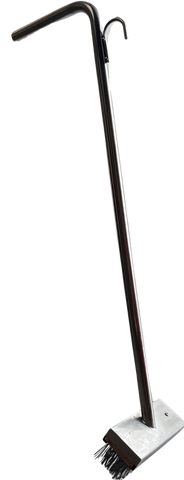

 Grilla Mate Stainless Steel Hangle Wire Brush Grill Scraper - GBP0001
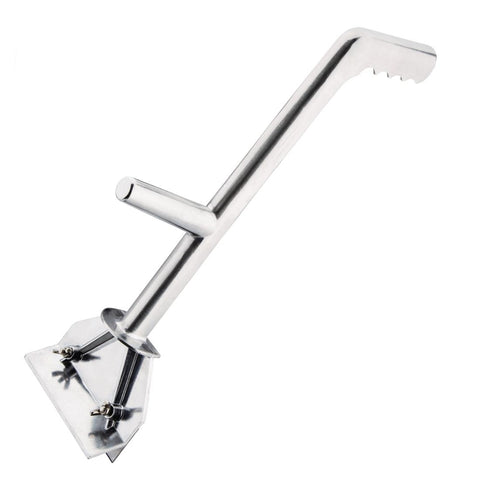

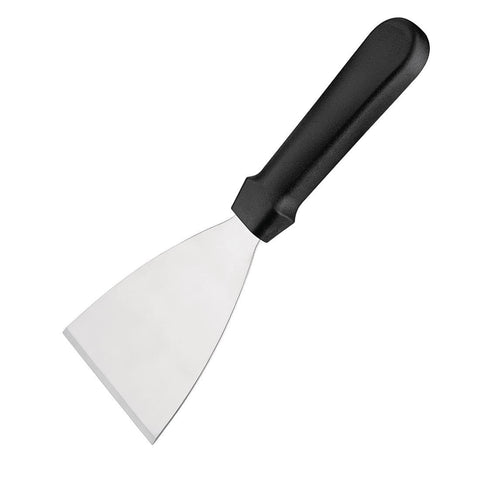


 Nemco Easy Griddle Scraper - NEG0001
400(W) x 100(H) x 150(D)mm

 Spare Blade for Jantex Heavy Duty Grill Scraper - GF379

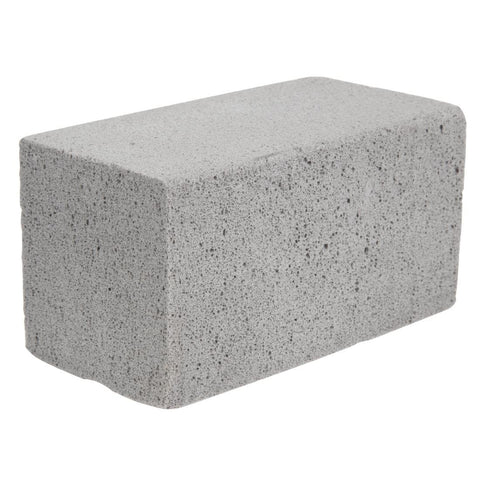
 Jantex Grillstones (Pack of 4) - CW719
152(W) x 76(H) x 76(D)mm
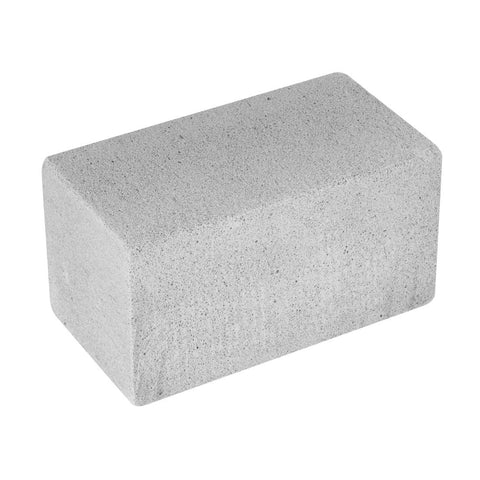
 Jantex Grillmaster Grillstone - L402
76(W) x 152(H) x 76(D)mm

 Prince Castle Char-Brush (Coarse) - CC
 Prince Castle Char-Brush (Medium) - CM
 Prince Castle Redi-Grill Scraper - 161
 Prince Castle Grill Wiper - 233-71A
Grill and griddle cleaners are built for one job: taking carbon off a hot plate without taking the plate with it. A griddle cleaner goes on a warm or hot plate, because the heat is part of how it works.
The daily routine on a griddle is scrape, apply, work it with a pad or a screen, then wipe and re-oil. A commercial grill cleaner shortens the middle step; it does not replace the scraping, and a plate that is only ever scraped slowly builds up until it cooks unevenly.
Chargrills are a different problem — bars and grates rather than a flat surface — so the product is usually a soak or a heavy spray, with the grates lifted out. Get both products if you run both types.
Restocking the plate products and a chargrill soak together? The price guide sets out the pack sizes and what each product is made for.
It depends entirely on the product. Griddle cleaners are generally designed to be applied to a warm or hot plate, because the heat is part of how they work; a caustic oven cleaner applied to a hot plate will fume and flash off.
Read the label and follow it. This is the one category where the usual advice to let equipment cool is often wrong.
Yes. Chemistry softens the deposit; the scraper and the screen remove it. Skipping the mechanical step means you are relying on the chemical alone and using far more of it.
Keep the scraper at the station rather than in a drawer across the kitchen. The daily clean only happens if the tool is within reach.
It can. Chrome plates and coated surfaces have specific products, and an aggressive caustic cleaner is a quick way to ruin either. The manufacturer's documentation or specifications will say what the plate is rated for.
Plain steel plates are the tolerant ones. If you do not know what your plate is, treat it as the fragile option until you do. The benchtop griddles range lists plate material per model.
Because cleaning strips the thin film of polymerised oil that stops food sticking and stops the steel rusting overnight. A bare plate left wet will have rust spots by morning.
A light wipe of oil after the final clean is the whole trick. More than light is just smoke the next morning.
That is a degreaser job rather than a grill cleaner one. The splashback, the exhaust hood filters and the floor around the line want cooking equipment cleaners and hot water.
The surrounds are where fire risk accumulates. They matter as much as the plate even though nobody sees them.
A heavy degreaser will get you through all three, but a flat plate, cast grates and the inside of a salamander each clean best with something made for them. Grates usually want a soak; a salamander wants a clinging product.
A single-site kitchen can reasonably run one degreaser plus one dedicated griddle product. Below that you are compromising.
Even cleaning. Carbon is an insulator, so a plate with a thick patch at the back cooks slower there, and the cook compensates by crowding the front. That is a cleaning problem presenting as an equipment problem.
Clean the whole plate, including the cool corners nobody uses, and check the plate is still flat. A badly warped plate is a replacement rather than a cleaning job — see the electric griddles range for what is current.

We have a special page just for stock that's warehoused in Perth.
Click Here to see all WA stockWhat our customers say about us on Google, and how Google scores our store for things like shipping and returns.
Store scores from Google