


 03 9070 5784
 Help & Support
 Track My Order



Recently Viewed


 Polar U-Series Blast Chiller with Touchscreen Controller 10x GN 1/1 - UA016-A
800(W) x 1885(H) x 815(D)mm

 Thermaster 7 Tray Blast Chiller D-G7
1250(W) x 800(D) x 850(H)mm
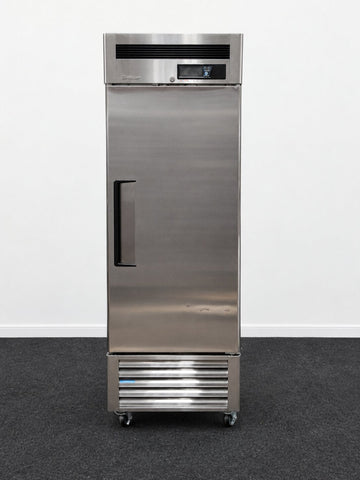

 Austune FD-650R Chiller - 835896
685W x 770D x 2100Hmm
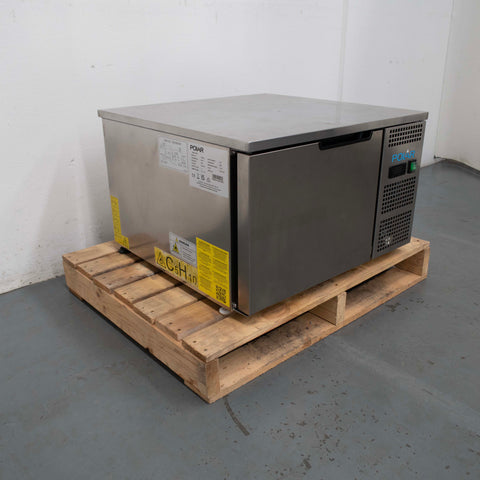

 Polar CK640-A Counter Top Blast Chiller - 924458
660W x 655D x 410Hmm


 Skope BCE1200N Chiller - 921469
1280W x 780D x 2200Hmm


 Friginox MX75ATS7 Blast Chiller/Freezer - 877893
770W x 820D x 1920Hmm

 Atosa Blast Chiller EBF-10
750(W) x 830(D) x 1435(H)mm
 Atosa Blast Chiller EBF-10
750(W) x 830(D) x 1435(H)mm

 Thermaster D-GT3 Blast Chiller - 898285
465W x 678D x 701Hmm

 Friginox MX45ATS7 Blast Chiller / Freezer - 798756
770W x 810D x 1550Hmm

 Friulinox RBS-051-SA-R290 Ready Blast Chiller
790(W) x 900(D) x 820(H)mm
 Friulinox RBS-161-SA-R290 Ready Blast Chiller
790(W) x 1960(D) x 870(H)mm
790(W) x 870(D) x 1960(H)mm
 Friulinox RBS-121-SA-R290 Ready Blast Chiller
790(W) x 1810(D) x 870(H)mm
790(W) x 870(D) x 1810(H)mm
 Friulinox SBM-121-HA-R290 Submarine Multi-Function Blast Chiller Cabinet
790(W) x 1810(D) x 870(H)mm
 Friulinox SBM-061-HA-R290 Submarine Multi-Function Blast Chiller Cabinet
790(W) x 900(D) x 820(H)mm
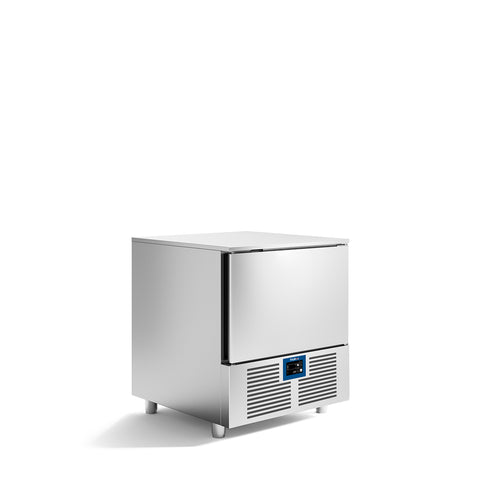
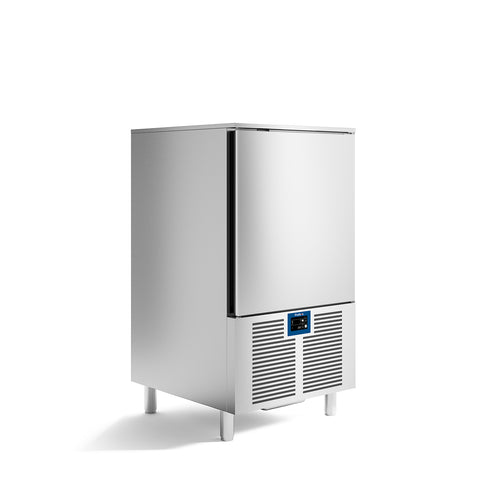 Friulinox Remote Blast Chiller - 5-12 Trays
790(W) x 900-1810(D) x 820-870(H)mm
 Friulinox Blast Freezer - 5-8 Trays
790(W) x 900-1460(D) x 820-870(H)mm
Friulinox Blast Freezer - 12-16 Trays
790(W) x 900-1460(D) x 820-870(H)mm
Friulinox Blast Chiller/Freezer - 6-16 Trays
790(W) x 900-1960(D) x 820-870(H)mm
 Friulinox RBS-081-RA Remote Blast Chiller - 8 Trays
790(W) x 1460(D) x 870(H)mm
 Friulinox RBS-051-RA Remote Blast Chiller - 5 Trays
790(W) x 900(D) x 820(H)mm
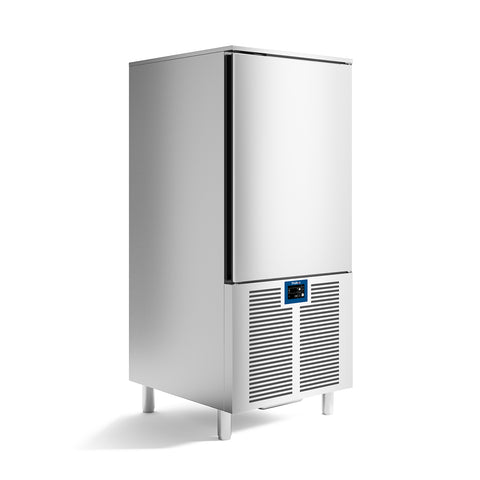
 Friulinox RBS-121-RA Remote Blast Chiller - 12 Trays
790(W) x 1810(D) x 870(H)mm
 Friulinox RBSR-120-SA Ready Blast Chiller
850(W) x 1860(D) x 870(H)mm
850(W) x 870(D) x 1860(H)mm
 Friulinox RBS-122-SA Ready Blast Chiller
1100(W) x 1080(D) x 1860(H)mm
1100(W) x 1860(D) x 1080(H)mm
 Friulinox SBM-161-HA Blast Chiller/Freezer - 16 Trays
790(W) x 1960(D) x 870(H)mm
 Friulinox SBM-091-HA Submarine Multi-Function Blast Chiller Cabinet
790(W) x 1460(D) x 870(H)mm
 Friulinox SBM-122-HA Submarine Multi-Function Blast Chiller Cabinet
1100(W) x 1860(D) x 1080(H)mm
 Friulinox RBS-081-SA Ready Blast Chiller
790(W) x 1460(D) x 870(H)mm

 POLARIS 16 Tray Blast Chiller / Freezer PTS161L
790(W) x 1950(H) x 890(D)mm
 POLARIS 6 Tray Blast Chiller / Freezer PTS61-700L
790(W) x 850(H) x 740(D)mm
 POLARIS 12 Tray Blast Chiller / Freezer PTS121L
790(W) x 1800(H) x 890(D)mm

 Lainox Self Contained Combifreeze 16 X 1/1 Gn NEO161TA-R290
790(W) x 1960(H) x 870(D)mm
 Lainox Self Contained Combifreeze 8 X 1/1 Gn NEO081TA-R290
790(W) x 1460(H) x 870(D)mm
 Lainox Self Contained Combifreeze 5 X 1/1 Gn NEO051TA-R290
790(W) x 900(H) x 820(D)mm
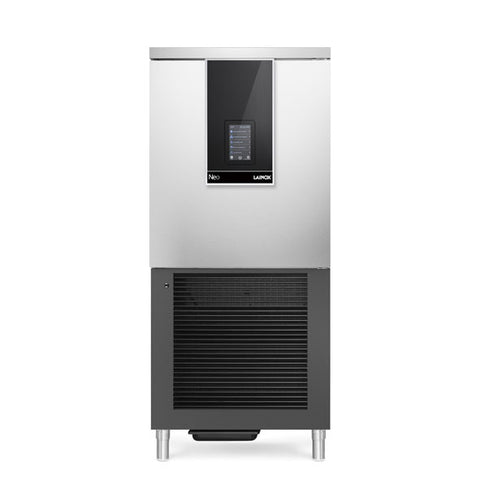 Lainox Self Contained Combifreeze 12 X 1/1 Gn NEO121TA-R290
790(W) x 1810(H) x 870(D)mm
Lainox Self Contained Combifreeze
790(W) x 900-1960(H) x 820-870(D)mm
 Polaris 6 X 1/1 Gn Blast Chiller / Freezer | 20Kg Chilling | 11Kg Freezing PQ61
790(W) x 850(H) x 700(D)mm
 Polaris 16 X 1/1 Gn Genius Multifunction Blast Chiller / Freezer | 85Kg Chilling | 70Kg Freezing GL16
790(W) x 1950(H) x 1030(D)mm
 Polaris 5X 1/1 Gn Genius Multifunction Blast Chiller / Freezer | 30 Kg Chilling | 24Kg Freezing GL05
790(W) x 850(H) x 970(D)mm
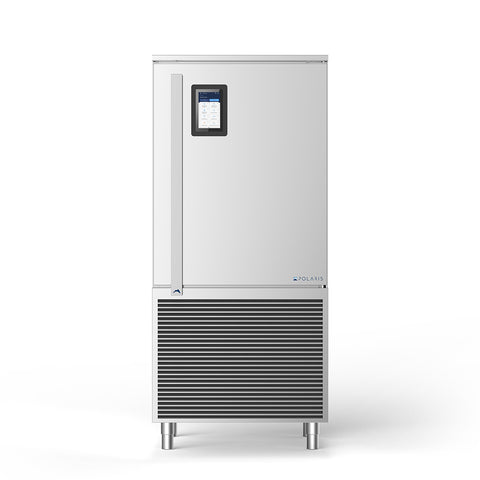 Polaris 10 X 1/1 Gn Genius Multifunction Blast Chiller / Freezer | 60 Kg Chilling | 48 Kg Freezing GL10
790(W) x 1800(H) x 1030(D)mm
 Polaris Genius Multifunction Blast Chiller / Freezer
790(W) x 850-1950(H) x 970-1030(D)mm


 Turbo Air KF45-4-N Upright Freezer - 875356
1260W x 860D x 1930Hmm

 Thermaster LG-800PF Upright Freezer - 922958
1220W x 760D x 2010Hmm

 Polar UA015-A Blast Chiller/Freezer - 880443
810W x 830D x 1060Hmm


 Bonnet Neve ONW3G/125BL Cold Food Display - 861191
1310W x 875D x 2000Hmm

 Austune AMSMT-1950 Open Deck Chiller - 820166
1950W x 930D x 1630Hmm

 Everlasting 10 Tray Blast Chiller - BCE2010
780(W) x 1437(H) x 798(D)mm
 Everlasting Blast Chiller 20 Tray Trolley – Remote Installation - BCE9320
1360(W) x CONDENSING UNIT(H) x 2810(D)mm
 Everlasting 20 Tray Blast Chiller - BCE2020
780(W) x 2207(H) x 800(D)mm
 Everlasting 7 Tray Blast Chiller - BCE0007
780(W) x 1097(H) x 798(D)mm
 Everlasting 4 Tray Blast Chiller - BCE0004
652(W) x 540(H) x 706(D)mm
 Everlasting 15 Tray Blast Chiller - BCE2015
780(W) x 1817(H) x 798(D)mm
A blast chiller takes food you have just cooked and pulls it down to a safe storage temperature quickly, so it can go into a fridge or freezer and be used later instead of thrown out. Commercial blast chillers are available in a range of sizes, capacities and formats, so you can buy the size that suits your business at its current size, then size up as your business grows.
Restaurants use them to chill bulk food, bakeries to bring pastry down to temperature, and any kitchen that cooks ahead uses one to cut food waste. Chilling fast extends the life of the dishes you have already prepared. Delivered anywhere in Australia, alongside the rest of the kitchen equipment range.
Buying several or fitting out a whole site? Get a quote and we will price the commercial blast chillers you need together. Related ranges: commercial freezers and commercial upright freezers.
Unlike standard commercial freezers, commercial blast chillers bring food down to a consistent temperature far more quickly, usually within a few hours. A freezer holds already frozen food at an even temperature; a blast chiller is what gets the food evenly frozen in the first place. Chilling that fast also reduces the chance of harmful bacteria growing, and keeps the texture and flavour of your food. You can put most things through one, from soups and sauces to curries and stews. You can also use them to snap-freeze produce that you’ll use at a later date, meaning you can order more stock in advance and keep it on hand when you need it. After preparing your food, you can put it in the blast chiller, even when it’s still warm. After it’s properly chilled or frozen, it can then be transferred to a fridge or freezer for longer-term storage.
Blast chillers are designed to operate significantly faster than freezers or commercial fridges, chilling food to core in as little as 90 minutes. Operating at these kinds of speeds significantly reduces the chances of pathogens having time to form or multiply in food. Generally, food can be left at an ambient temperature for no more than two hours before it becomes a risk due to spoilage. Chilling it to core quickly keeps the taste and the quality, and cuts the food safety risk.
Efficiency, profitability and food safety. A commercial blast freezer lets you cook in bulk and freeze it fast, so you can keep extra stock on hand for the rush and have fewer menu items out of stock. Loading a plain freezer with warm food takes far longer to pull the temperature down, and the food suffers for it. Freezing fast also does less damage to the cell structure of vegetables and other ingredients, so the flavour, nutrition and texture hold up when the food is thawed, reheated and served.
The ideal temperature to set your blast chiller to will depend on what you’re using it for. They typically have a broad range of temperature capabilities, with chillers going as low as -18℃ to -40℃. Many models have a digital display, allowing you to easily choose which temperature you want and set it to either chill for refrigeration storage or freeze it entirely to put in longer-term storage or a freezer display.
The time taken to chill or freeze food totally depends on the model of blast chiller you have, how cold it can get and how full you pack it with food. Generally speaking, most models can get your food from a freshly cooked temperature down to less than 5℃ in as little as 90 minutes to 2 hours. If you’re looking to freeze your food entirely, it will take a little longer, ranging up to 4 hours to be totally frozen.
Blast chillers are typically energy efficient, and they also cut the work your fridge or freezer has to do to chill food. They circulate the cold air more and at a lower temperature, so the cooling is more even. When you’re choosing a blast chiller for your own kitchen, start with how much capacity you need and how much space you have for it. You’ll also want to decide whether you want to opt for a model that can operate at extremely low temperatures, like those that can range up to -40℃, or if a standard model that ranges down to -18℃ is adequate. Snap-freezing in the more powerful models is a great option if you have an ice cream freezer you need to stock, along with being perfect for keeping vegetables and fruits exceptionally fresh through freezing.
Typically, when you’re using a blast chiller correctly, you’ll be fully loading it and then unloading it after all your food stock has been chilled or frozen. After each use, it’s a good idea to clean it, ensuring you've checked the drain lines, that they are clear, and that there’s no food spillage anywhere in the chiller. You’ll also want to monitor the temperature probes and make sure that they’re free of any ice or food to ensure you’re getting accurate temperature readings. The condenser is another key area to maintain. Checking that the coils are clean and there’s no ice build-up that could prevent proper chilling is important.
Start with how much space you have to put it in, and check those dimensions before deciding on the specification. Then work out how much volume you need inside it. Calculate roughly how much stock you want to be able to create each day, along with how much needs to go into the fridge or freezer for storage. This will help give you an indication of how much capacity your blast chiller will need. Additionally, accounting for the types of food you want to chill or freeze is important, as some have slightly different temperature needs. Whether you’re small or large, the best way to find the right blast chiller for your kitchen is with a personalised consultation. For a recommendation that’s unique to your needs, please contact the team at REO, and we’ll be happy to help.
Yes. Freezing takes slightly longer than chilling alone, but the one cabinet does both. With temperatures as low as -40℃ and full control of the settings, you can get food down to a safe temperature either way.
No. A blast chiller does one job, which is to chill or freeze food quickly. It sits between the cook line and storage, getting your food to a safe temperature before it goes into a fridge or freezer for the longer term.
You will see commercial blast freezer and industrial blast chillers used for the same kind of equipment. The name changes with the supplier and the region, not the job it does. Compare models on capacity, construction and the specification on each product page, and check the full commercial blast chillers range to see every option side by side.

We have a special page just for stock that's warehoused in Perth.
Click Here to see all WA stockWhat our customers say about us on Google, and how Google scores our store for things like shipping and returns.
Store scores from Google