


 03 9070 5784
 Help & Support
 Track My Order



Recently Viewed
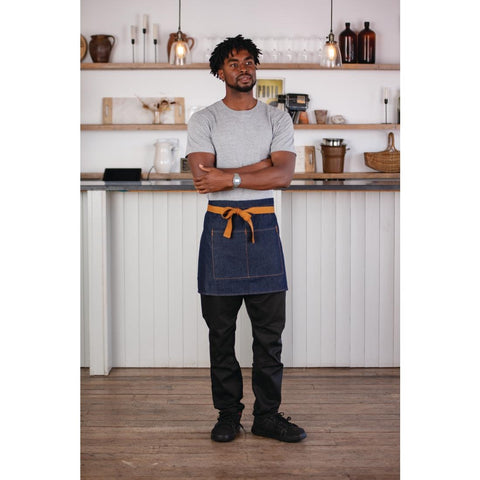

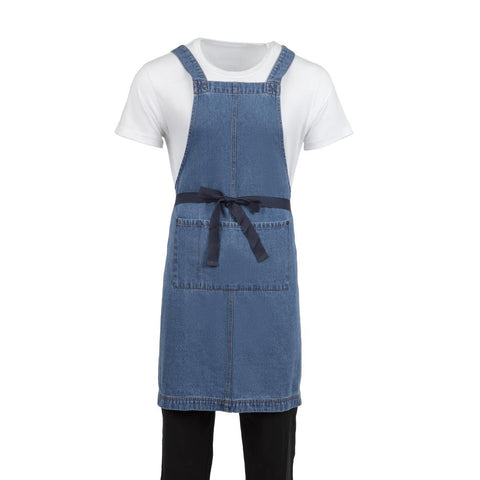
 Southside Waist Apron Denim Blue with Tan Ties - BB465



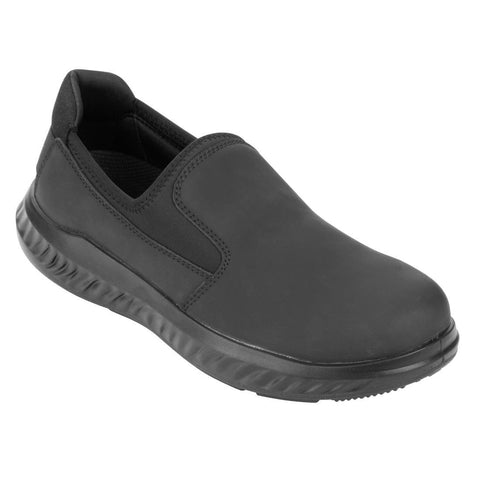
 Slipbuster Drexo Slip On Safety Shoes Black 37 - BA211-37
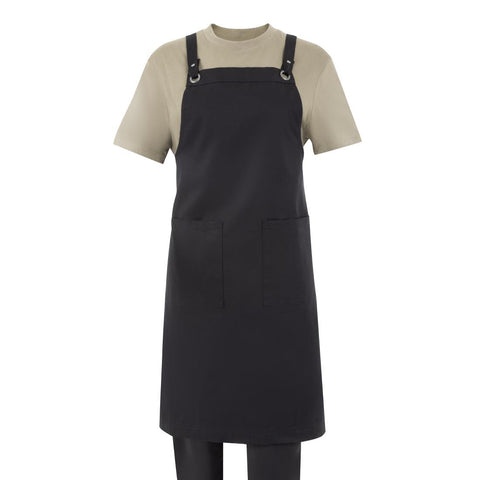
 Southside Cotton Canvas Bib Apron Black - BA204

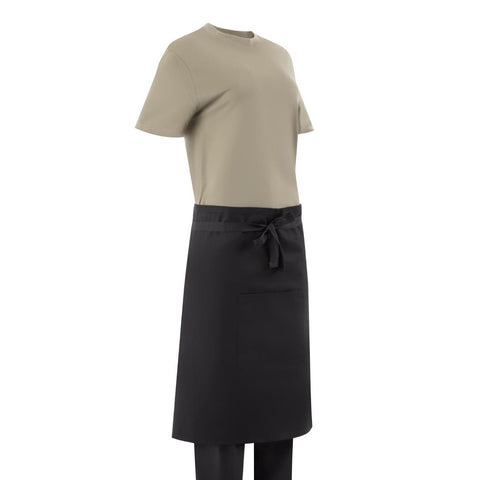
 Southside Cotton Canvas Bistro Apron Black - BA203
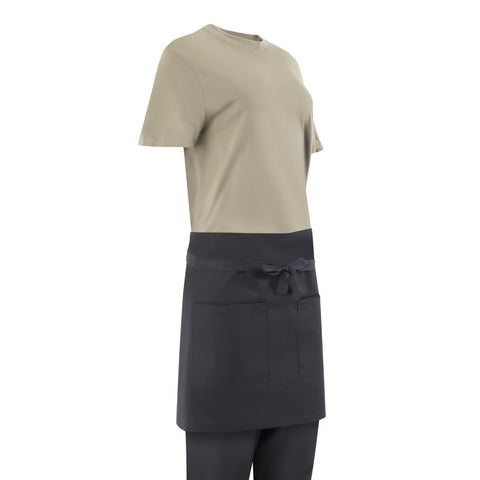
 Southside Cotton Canvas Waist Apron Black - BA202
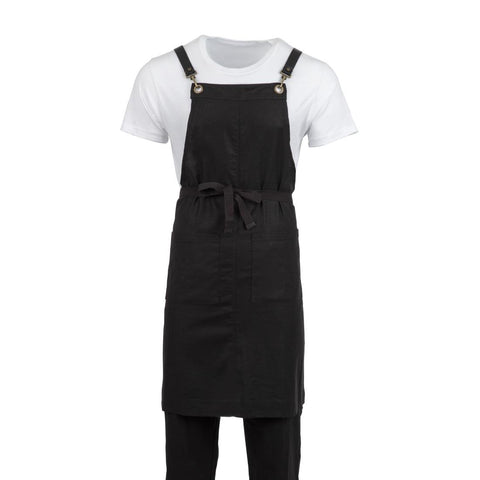

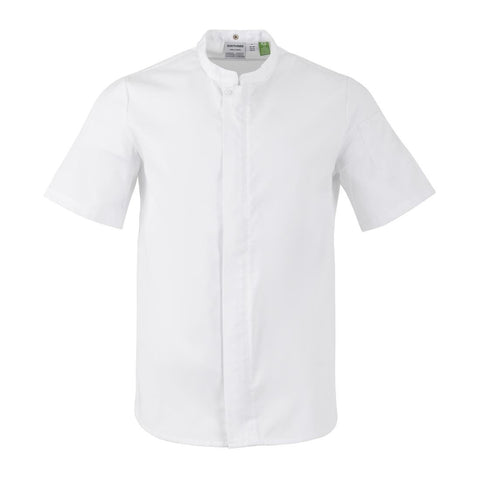
 Southside Harlem Zipper Chefs Jacket White Short Sleeve Mesh Size XL - BA116-XL
1200(W) x 830(H) x 480(D)mm
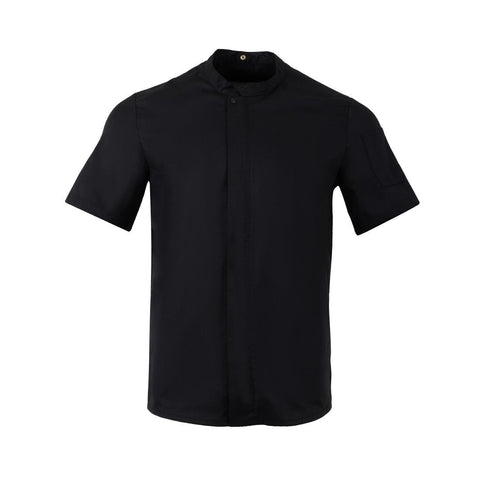
 Southside Harlem Short Sleeve Zipper Chef Jacket Black Size XL - BA115-XL
1200(W) x 830(H) x 480(D)mm
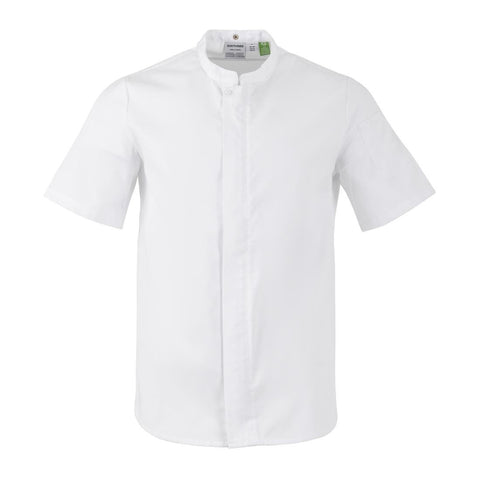
 Southside Harlem Zipper Chefs Jacket White Short Sleeve Mesh Size M - BA116-M
1080(W) x 780(H) x 440(D)mm
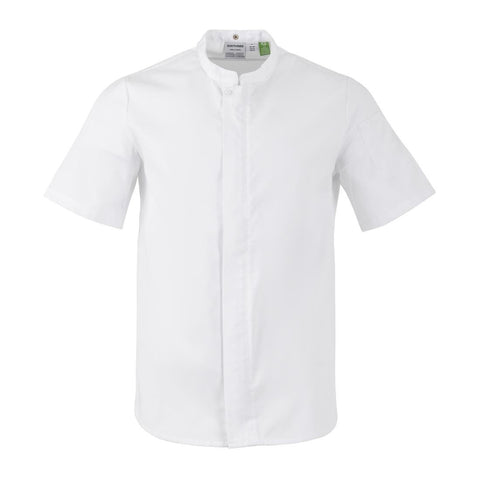
 Southside Harlem Zipper Chefs Jacket White Short Sleeve Mesh Size L - BA116-L
1140(W) x 805(H) x 460(D)mm
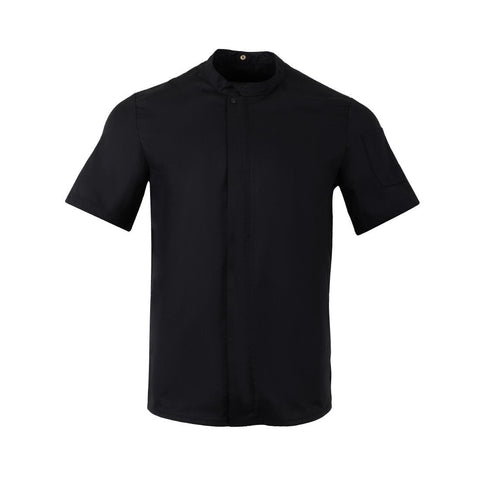
 Southside Harlem Short Sleeve Zipper Chef Jacket Black Size M - BA115-M
1080(W) x 780(H) x 440(D)mm
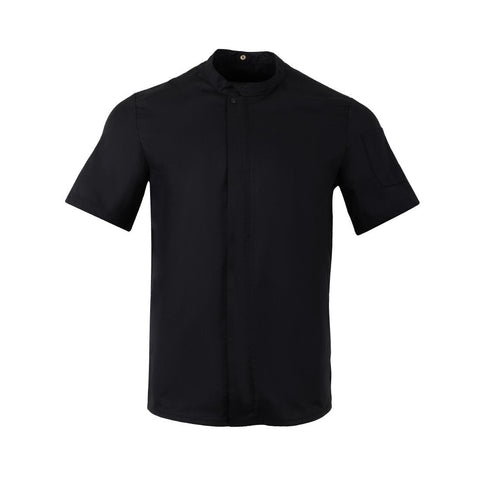
 Southside Harlem Short Sleeve Zipper Chef Jacket Black Size S - BA115-S
1020(W) x 755(H) x 420(D)mm
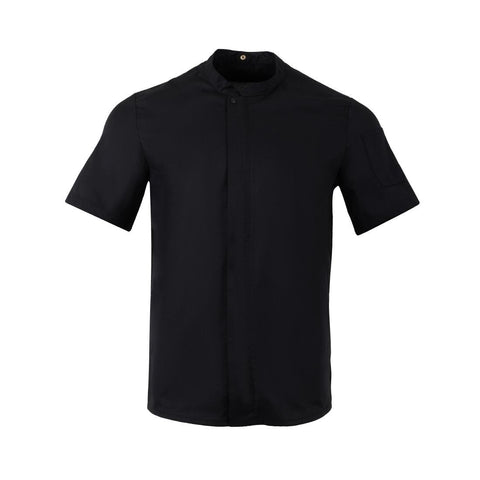
 Southside Harlem Short Sleeve Zipper Chef Jacket Black Size L - BA115-L
1140(W) x 805(H) x 460(D)mm
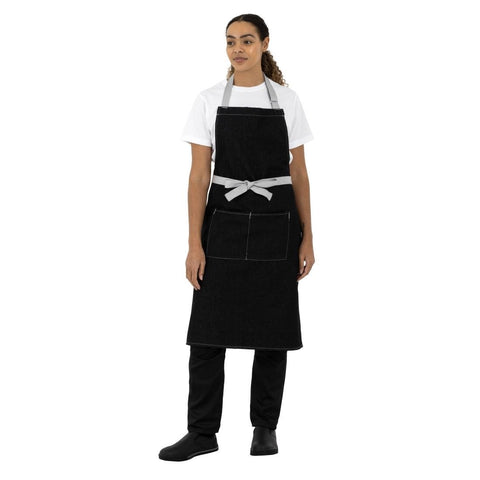
 Southside Bib Apron Denim Black with Grey Ties - B981
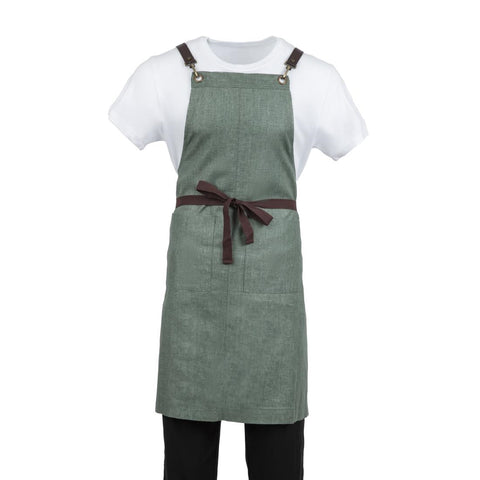
 Southside Linen Blend Bib Apron Forest Green - BB690
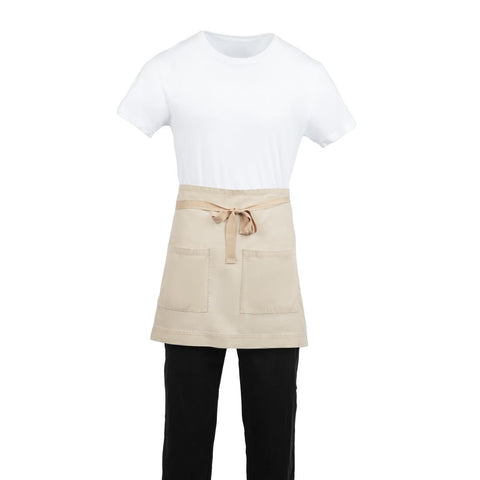
 Southside Cotton Canvas Waist Apron Stone - BB688
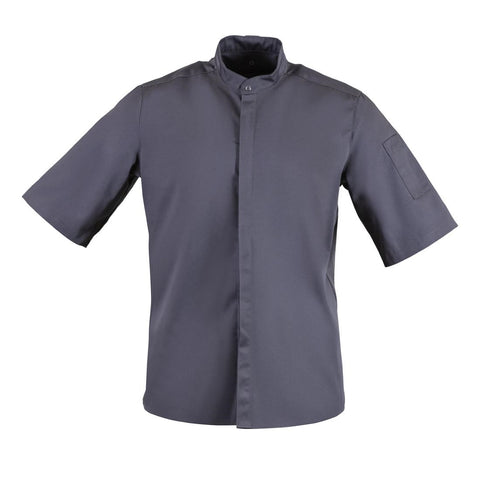
 Southside Band Collar Chefs Jacket Charcoal Size L - BB712-L
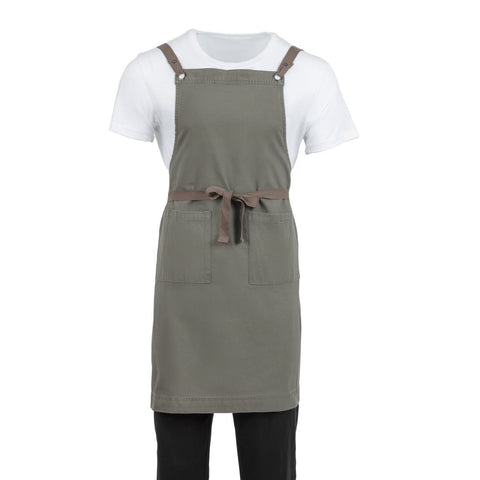
 Southside Cotton Canvas Bib Apron Khaki - BB684
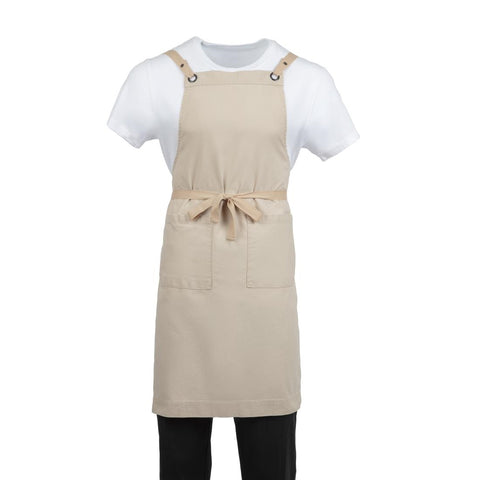
 Southside Cotton Canvas Bib Apron Stone - BB685
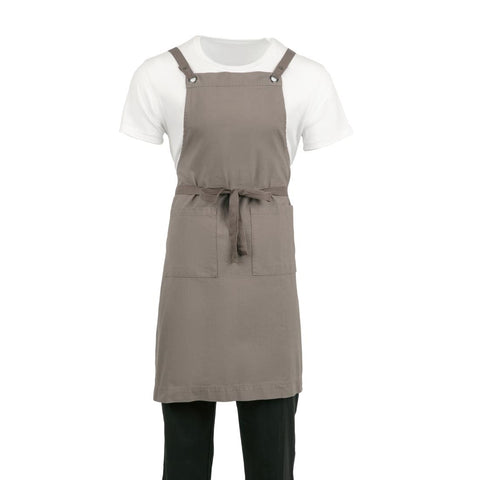
 Southside Cotton Canvas Bib Apron Washed Grey - BB687
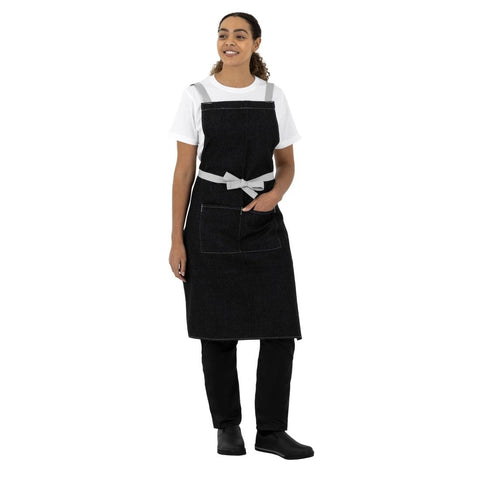
 Southside X-Cross Back Bib Apron Denim Black with Grey Ties - BB057
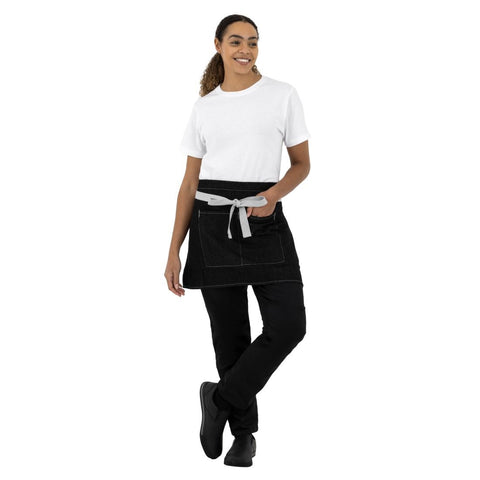
 Southside Waist Apron Denim Black with Grey Ties - B995
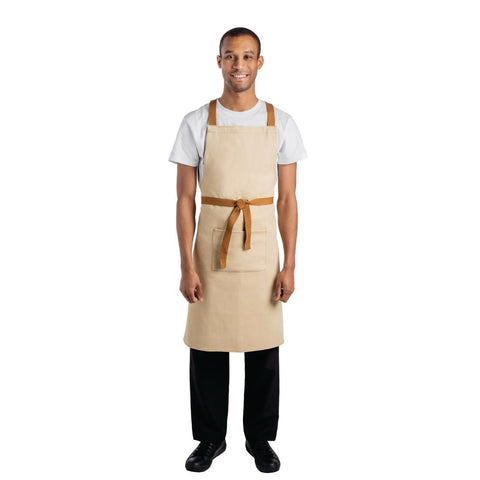
 Southside X-Cross Back Apron Khaki Beige - 700x1000mm - B985



Waiter clothing is the uniform a venue is judged on before anyone tastes the food. Waiter clothes have to look right on a floor, survive a hot commercial laundry cycle several times a week, and still be comfortable at the end of a long shift.
The decisions are fabric, fit and how many sets per person. Commercial kitchen clothing and front-of-house clothing are bought as a system: too few sets and staff work in yesterday's shirt, too many and you have tied up money in a size that leaves with the person wearing it.
The range covers chef jackets, chef pants, chef hats and headwear, waiter shirts, waiters pants, waiter aprons and kitchen and hospitality footwear.
Pricing a uniform before you lock in sizes? Start with the price guide, then get a quote once you have the headcount and the size breakdown.
Enough that nobody is relying on a wash between consecutive shifts. Three working sets per person is the usual floor; two is what venues buy and then regret the first week someone works four days straight.
Aprons need more than shirts because they take the damage. Order spares in the common sizes rather than one of everything.
A blend, in most cases. Cotton is the most comfortable and the slowest to dry; polyester holds colour and shape and resists creasing but breathes less; a blend gets most of both and survives hot laundering.
Fabric composition is on each product page specifications. Breathability matters more in a kitchen than on a floor, which is why jackets and shirts are often different blends.
Yes, and visibly so. A customer should be able to tell at a glance who to ask, and kitchen clothing is built for heat and stains while floor clothing is built to look sharp.
Keep the colour family consistent so the venue reads as one team. See chef jackets for the kitchen side and waiter shirts for the floor.
By measuring, not by asking. People order the size they would like to be, and a uniform ordered a size small does not get worn, which is money gone.
Get a size set in before the bulk order where you can, and order one size up for anything worn over other layers.
Embroidery lasts far longer than printing through hot commercial washes, and it is worth it on the items that stay with the venue — aprons and jackets especially.
Branding also makes garments less likely to walk. Keep logos off items that staff replace frequently.
Decide it explicitly and write it down, because the default assumption differs between venues and it is a recurring source of friction. What your award or agreement requires takes precedence over whatever is convenient.
Venues that launder in-house need the cycle capacity for it. Those that do not should expect faster wear from domestic washing.
Shirts and aprons are the fastest-wearing, usually replaced within a year of daily use; pants and jackets last longer. Fading, not failure, is what usually retires a black garment.
Budget replacement as a running cost and reorder from the same range so the floor stays consistent.
Closed, supportive and slip-resistant, chosen for the floor surface staff actually work on. Footwear is the piece of uniform that affects how people feel at the end of a shift more than anything else.
Set the requirement even if staff buy their own. See kitchen and hospitality footwear.
Yes, and ordering shirts, pants, aprons and headwear as one order keeps the colours matched and usually costs less per item. Mixed orders across months are where the shade drift comes from.
Send headcount and sizes and we will price the set. If sizing is the open question, get a size set in first and quote the bulk order after that.

We have a special page just for stock that's warehoused in Perth.
Click Here to see all WA stockWhat our customers say about us on Google, and how Google scores our store for things like shipping and returns.
Store scores from Google