


 03 9070 5784
 Help & Support
 Track My Order



Recently Viewed
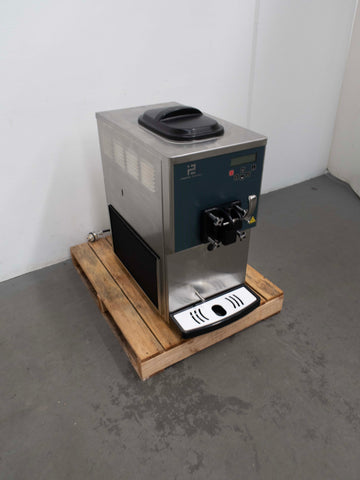

 Pasmo Pascal 5930-TURBO Ice Cream Machine - 845494
385W x 800D x 750Hmm
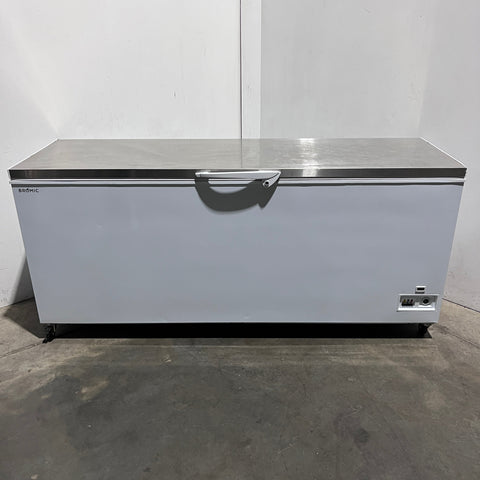

 Bromic CF0700FTSS Chest Freezer - 853232
2055W x 715D x 903Hmm
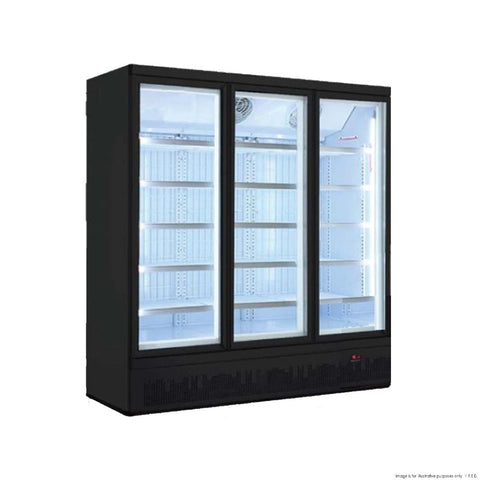

 CLEARANCE - Thermaster Triple Door Supermarket Freezer - LG-1500BGBMF-NSW2114
746(W) x 1880(D) x 740(H)mm

 CLEARANCE - FED-X 555L Single Glass Door Freezer - XF600SG-QLD328
293(W) x 777(D) x 695(H)mm
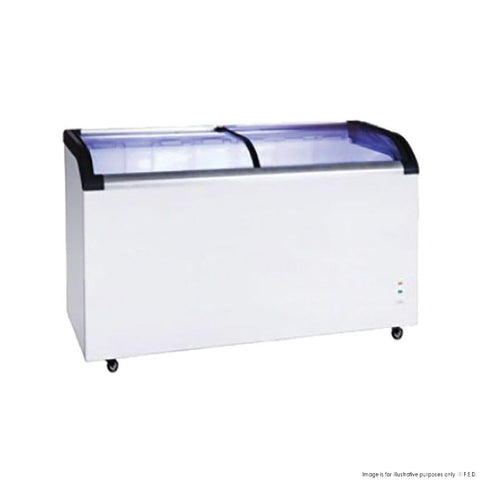
 CLEARANCE - Thermaster Two glass sliding lids chest freezer with castors - ST545-QLD236
320(W) x (D) x (H)mm
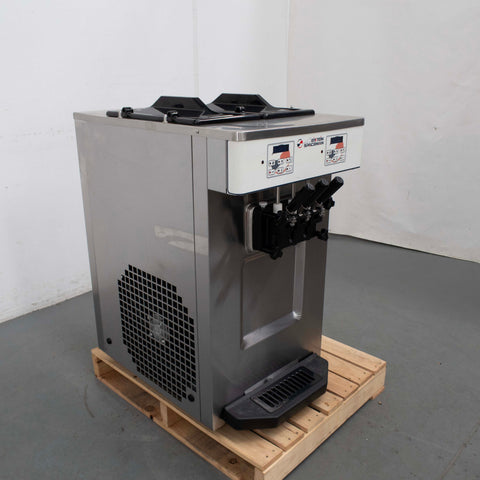

 Spaceman 6235A-C Ice Cream Machine - 819420
530W x 800D x 980Hmm
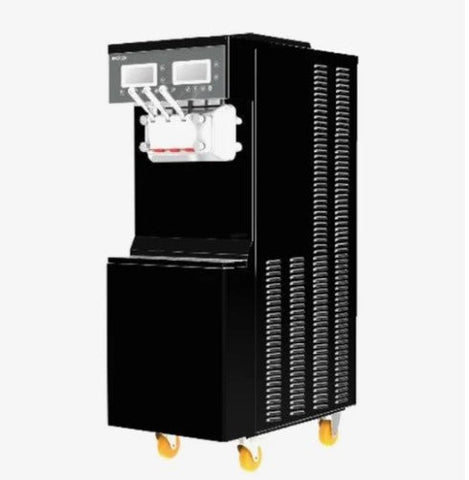

 Brullen i95 Pro Soft Serve Machine - 881709
515W x 810D x 1520Hmm


 Acaion BE121 Ice Cream Machine - 868334
395W x 740D x 800Hmm
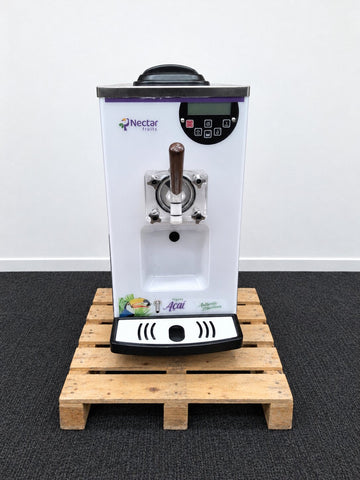

 Nectar Fruits S770 Ice Cream Machine - 847482
385W x 800D x 800Hmm
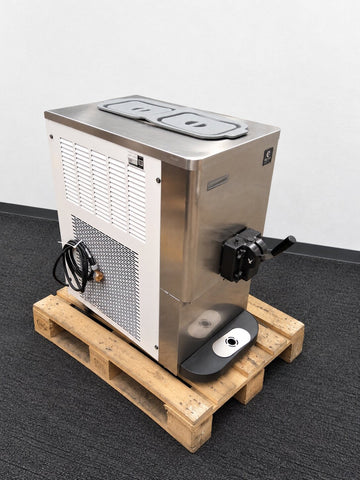

 Gelmatic HC EASY 1 E VAN Soft Serve Machine - 871049
450W x 830D x 870Hmm
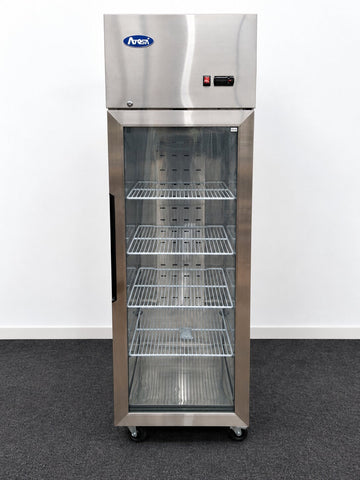

 Atosa YCF9407GR Upright Freezer - 927325
600W x 775D x 1950Hmm
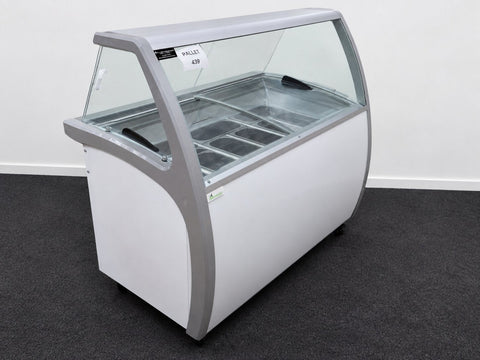
 Thermaster SD-415P Gelato Display - 916942
1350W x 820D x 1280Hmm
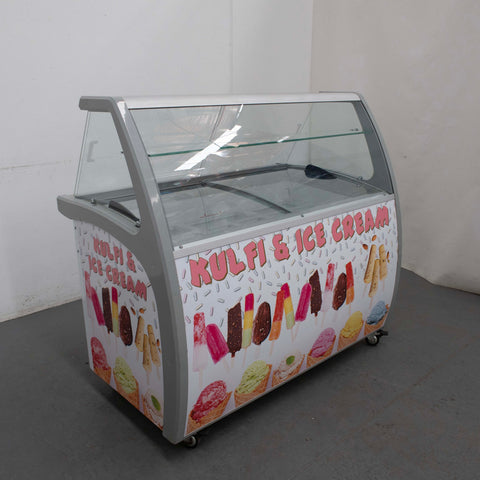
 Thermaster SD-415P Gelato Display - 858123
1355W x 800D x 1275Hmm
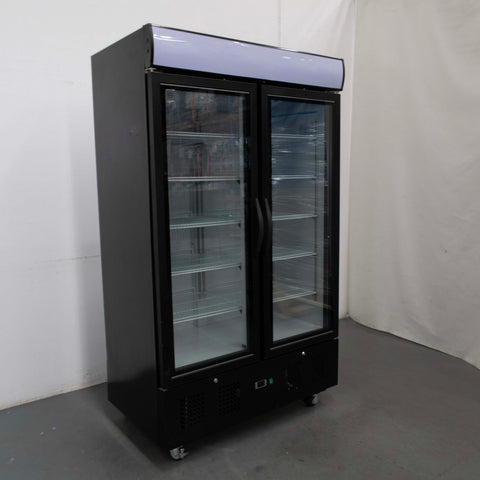

 Norsk NSK-D1000B Display Freezer - 784865
1200W x 700D x 2080Hmm

 Atosa YBF9219 Upright Freezer - 880684
1200W x 760D x 1950Hmm


 Aus Kitchen Pro AUSKPSSA22 Ice Cream Machine - 852466
620W x 740D x 1280Hmm

 Aus Kitchen Pro AUSKPSSA116 Ice Cream Machine - 864129
240W x 720D x 740Hmm


 Exquisite SD-575S2E Gelato Freezer - 845889
1720W x 840D x 1275Hmm
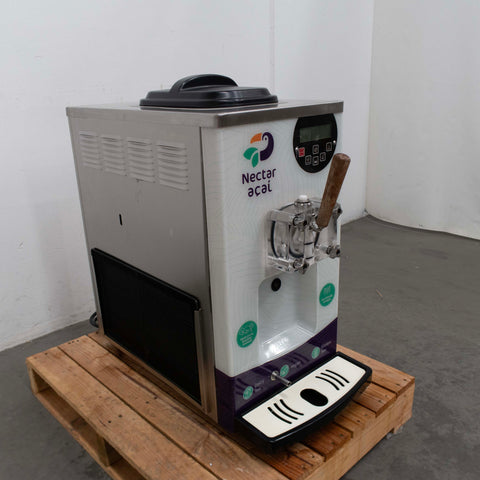
 Nectar Fruits S770 Acai Machine - 859543
385W x 750D x 770Hmm

 Brullen i95 Pro Soft Serve Machine - 915926
915W x 515D x 1470Hmm
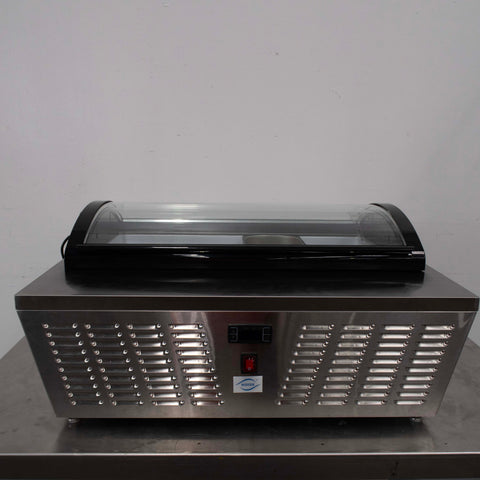
 Norsk NSK-DW674 Countertop Ice Cream Freezer - 916915
810W x 650D x 375Hmm

 Brullen i95 Pro Soft Serve Machine - 863280
510W x 895D x 1475Hmm
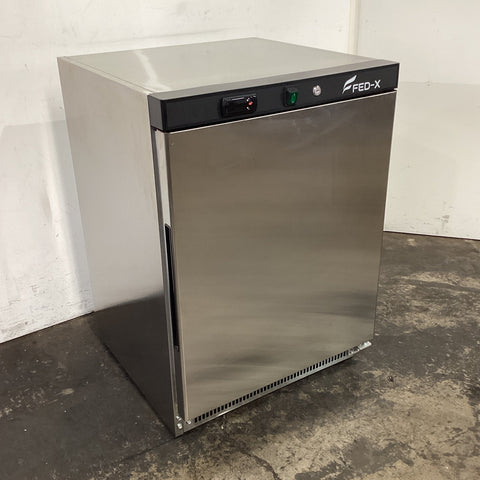

 FED-X XF200SS Single Door Unberbench Bar Freezer - 898964
600W x 585D x 850Hmm


 Skipio SGC-1800FB Gelato Display - 807193
1730W x 1100D x 1320Hmm


 Polar GK068-A Gelato Display - 887888
865W x 735D x 380Hmm

 Thermaster SD-415P Gelato Display - 902007
1350W x 850D x 1280Hmm
 CLEARANCE - Thermaster 535L Gelato Display - SD-575P-QLD141
1720(W) x 838(D) x 1270(H)mm

 Aus Kitchen Pro AUSKPSS808-1 Ice Cream Machine - 913488
520W x 750D x 750Hmm

 Polar DL896-A-03 Upright Freezer - 897982
1340W x 860D x 1995Hmm
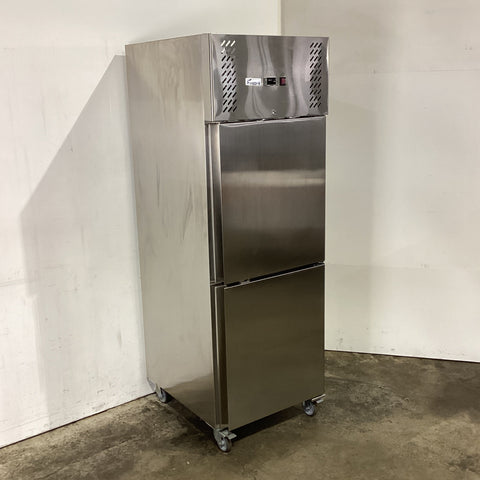
 FED-X XURF600S1V Upright Freezer - 869640
680W x 850D x 2000Hmm
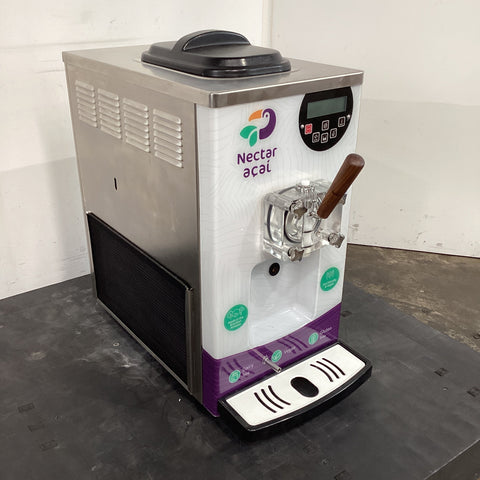
 Nectar Fruits S770 Acai Machine - 898178
385W x 800D x 800Hmm

 Brullen i91 Pro Ice Cream Machine - 829808
400W x 850D x 840Hmm
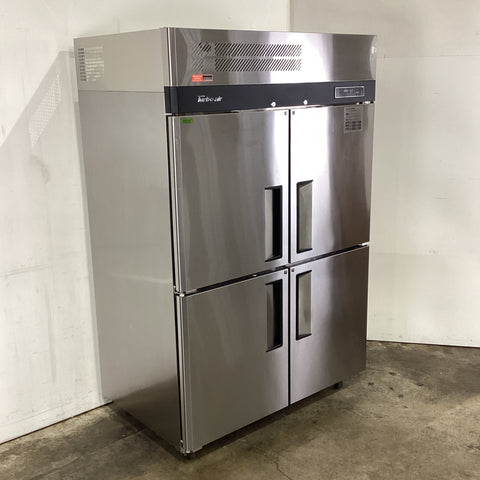

 Turbo Air KF45-4-N Upright Freezer - 868652
1260W x 860D x 1930Hmm


 Airex AXF-URGN-2D1 Upright Freezer - 869110
1400W x 850D x 1990Hmm

 Brullen i26 Pro Twin Ice Cream Machine - 860628
560W x 970D x 960Hmm
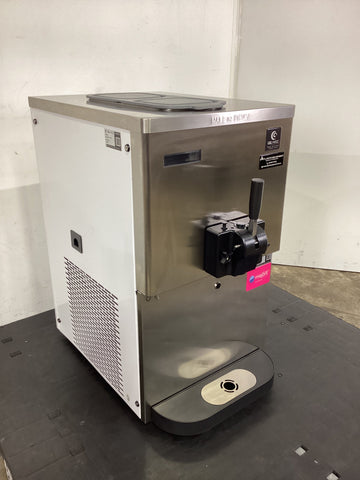
 Gelmatic BC Easy 1 GR Ice Cream Machine - 883582
460W x 690D x 800Hmm

 Brullen i91 2020 Soft Serve Machine - 856075
320W x 785D x 880Hmm

 Brullen i95 Pro Soft Serve Machine - 857641
515W x 810D x 1470Hmm
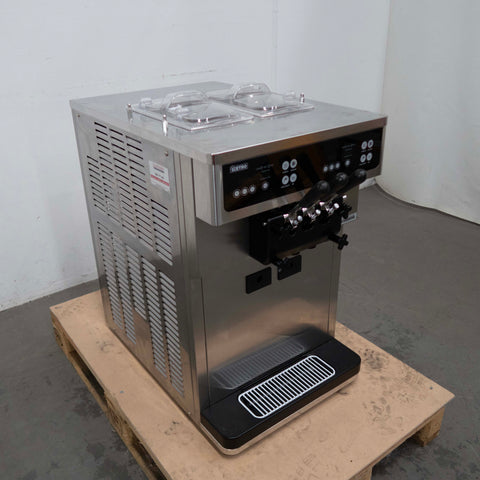

 Icetro ISI-163TT Countertop Soft Serve Machine - 872920
510W x 850D x 860Hmm


 CyberChill LPT1401 Upright Freezer - 809927
1450W x 860D x 2070Hmm

 Spaceman 6218 Soft Serve Machine - 873789
440W x 700D x 722Hmm
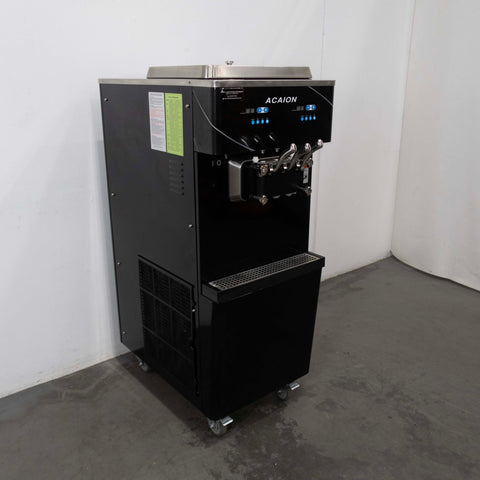

 Acaion BE666 Acai Machine - 886349
540W x 900D x 1440Hmm


 Mama Mia ST16RELW Ice Cream Machine - 875789
210W x 600D x 740Hmm
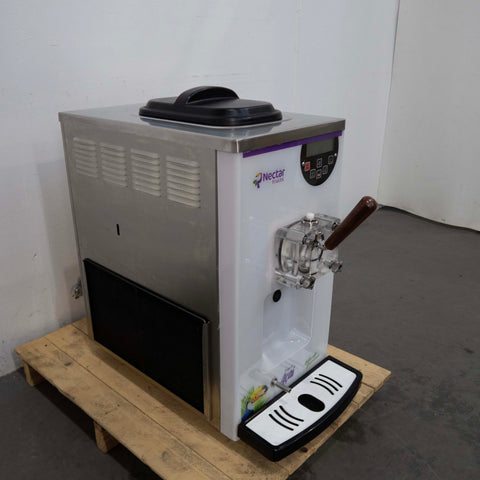
 Nectar Fruits S770 Ice Cream Machine - 848491
385W x 750D x 820Hmm
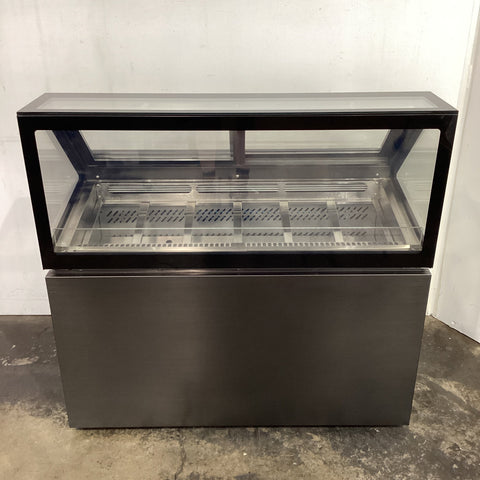

 Anvil NDSG1200 Gelato Display - 900932
1200W x 700D x 1140Hmm
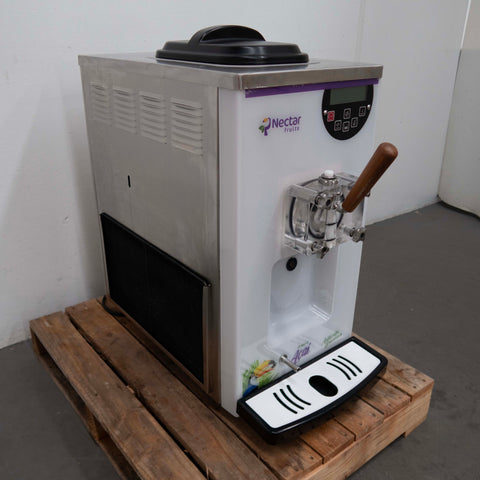
 Nectar Fruits S770 Ice Cream Machine - 852299
385W x 770D x 760Hmm
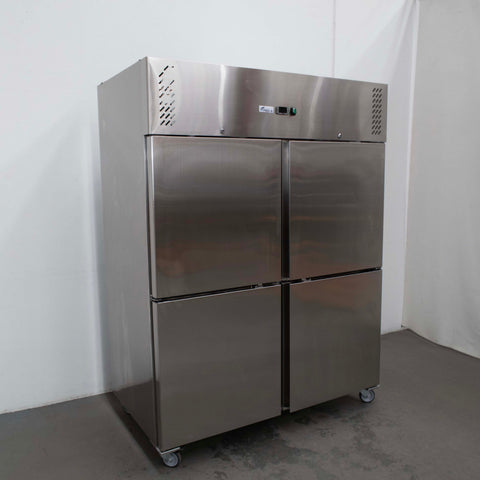
 FED-X XURF1410S2V Upright Freezer - 881119
1485W x 835D x 2000Hmm
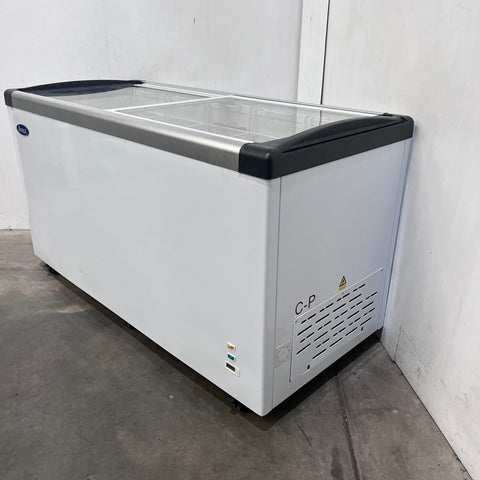
 Atosa SD-520P Flat Glass Top Chest Freezer - 871694
1530W x 680D x 850Hmm

 Gelmatic HC Easy 1 GR Evan Ice Cream Machine - 882530
455W x 900D x 850Hmm
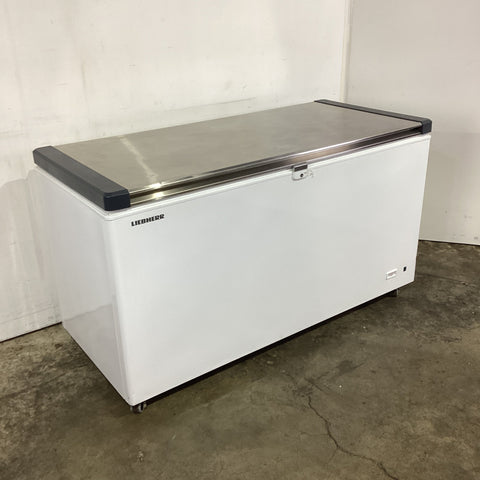

 Liebherr EFL4656 Chest Freezer - 866667
1460W x 700D x 830Hmm
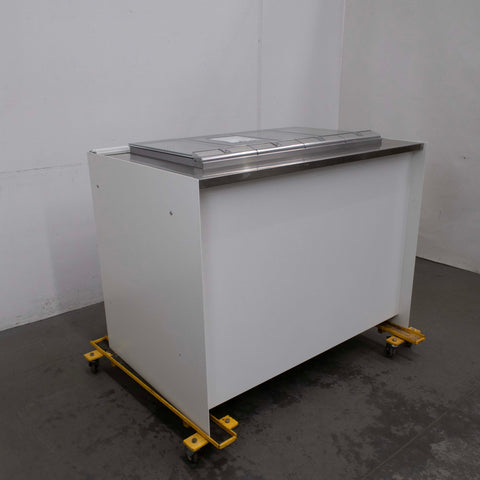

 IFI Panorama 8F SL B455CFA Gelato Display - 857740
1250W x 815D x 1010Hmm

 Brullen i91 2020 Ice Cream Machine - 838222
320W x 850D x 890Hmm
Refurbished freezers are typically dented in transit, and that is where the cosmetic damage on these units comes from. A dent in a corner panel or a scratch down a lid doesn't impact the cooling system, and it is the reason the price is cheaper than brand new.
Every product is inspected, tested and verified in working condition before it is relisted for sale. Part of that is checking the unit still pulls down and holds temperature. Warranty terms are shown on each product page and depend on that unit's condition, history and age. Call us if you want to know where the scratches and dents sit on a particular model before you order.
Freezers come in various shapes and sizes, applicable for different jobs in the kitchen. Upright freezers hold the most stock for the floor space they occupy, in solid door for back of house or glass door for a shop front. Chest freezers cost less to buy and less to run, and they hold temperature far longer in a blackout, though you'll be digging down through layers to reach the bottom.
Under bench freezers sit on the line beside the cook, and blast chillers do a different job again, pulling hot food down fast instead of storing it. REO also offers ice cream and gelato equipment from Brullen, Carpigiani, Taylor, Pasmo Pascal, Gelmatic and Nemox, alongside freezers from FED-X, Thermaster, Polar, Atosa, Skope, Turbo Air, Bromic and Liebherr.
Check the gaskets and the door first. Freezer gaskets go hard with cold and age, and a hard gasket no longer compresses flat, so warm damp air leaks in all day. Look at the hinges while you are there, because a heavy door that has dropped even slightly won't pull up square against the frame and it leaks the same way a failed gasket does.
Then check the condenser and the fan. A freezer runs at a much lower temperature than a fridge, so when the condenser is blocked the head pressure climbs and the compressor runs almost constantly. Ask how long the unit has been switched off as well. That is not a fault in itself, but a freezer that has stood idle needs a full pull-down before any stock goes near it.
Give the freezer a full day, then load it in stages. A unit that has been switched off starts warm the whole way through — shelves, walls and insulation — and all of that has to come down before the air temperature means anything. Run it empty with the doors closed and let it pull down on its own first.
Bring the stock in cold. Loading room-temperature product into a freezer that has only just reached temperature pushes it straight back up, and it can take a day or two to recover. Load over several goes, keep the door closed in between, and check with your own thermometer rather than the readout, because a display often reads the air near its sensor rather than the middle of a full cabinet.
Frost shows you where warm, damp air is getting in. A light, even coating on the evaporator is normal and the defrost cycle handles it. A thick lump of ice in one corner of the door, or a line of frost following the run of a gasket, means the gasket is not sitting flat along there, usually because it has gone hard or because the door has dropped on its hinge and stopped closing square.
Both faults are cheap to put right, and you should fix them straight away, because until you do the unit runs almost constantly and ices up again a week after you have chipped it clear. Ice forming on the back wall or on the pipework rather than the evaporator is a different problem, and that one is worth a call before you fill the freezer.
Chest freezers are cheaper to buy, cheaper to run and far more forgiving in a power cut, because cold air is heavy and stays in the box when the lid is opened. The catch is access. Stock ends up in layers and somebody has to lean in and dig for it, which is fine for bulk product you touch once a week and painful for anything needed mid-service.
Upright freezers cost more and use more power, and you can see what you have and reach it without unpacking three baskets. Most kitchens are best served by one of each — an upright near the line for daily use, and a chest freezer in the store room for bulk buys and overflow.
That depends on whether you cook ahead. A freezer holds food that is already cold, while a blast chiller takes food straight off the stove and pulls it down fast, so it spends as little time as possible in the temperature range where bacteria multiply. Load hot trays into an ordinary freezer and you will warm everything already in there while the freezer fights to catch up.
If you batch cook, portion and store, or if a council inspector has asked how you cool cooked food down, a blast chiller is worth buying and it gives you records you can show. If you buy in frozen product and only hold it, you don't need one.
Yes. The terms are shown on each product page and they are not the same on every unit, because they depend on that machine's condition, history and age. A freezer that has done years of daily service will not carry the same cover as one that has barely been used, so read the terms on the model you want before you order.
Ask us whether that model is repaired on site or has to go back to a service agent, which makes a real difference on a heavy cabinet. Ask whether parts are still supported in Australia as well. On a freezer the parts that matter are the gasket, the door heater, the defrost element and the controller, and those are the ones you will want in five years.
A freezer with hard gaskets and a dust-packed condenser runs almost constantly, and that costs real money over a year. Both faults are cheap to fix. Chest freezers are the cheapest to run and glass door uprights the dearest, because glass and lighting both let heat in.
REO prices refurbished freezers sharply. Renting is worth looking at too, because a freezer is often last on the fit-out list and first to run out of budget. Silverchef Rent-Try-Buy lets you rent the unit, keep your cash free for the rest of the build and claim the payments as an operating expense. If it turns out too small once you are trading you can upgrade to a bigger model, and if it is right you buy it out.
Most under bench and single door freezers run from a standard 10 amp plug. Larger upright freezers, glass door units and anything with a big compressor can need a 15 amp outlet, and some of the bigger machines are three phase. The details are shown on each product page, so read them before you promise the unit a spot, because a 15 amp socket or a new circuit means an electrician and a booking.
Ice cream and soft serve machines need more power than people expect. Plenty of them draw far more than a freezer of the same size, and some are three phase. Always check the supply where the machine will actually stand, not where the switchboard is.
Ask about the wear and tear components. The scraper blades, the beater and the shaft seals wear and need replacing periodically. They cost little next to the machine itself. Worn seals leak, and worn blades stop the machine scraping the barrel cleanly, so the mix comes out coarse. A unit that has had its seals replaced recently is worth paying more for.
Then ask how it was cleaned. These machines have to be stripped, washed and reassembled properly, and one that has been rushed for years shows it in the seals and the o-rings. Brullen, Carpigiani, Taylor, Pasmo Pascal and Gelmatic are among the brands REO offers in ice cream and soft serve machines, and parts are available for all of them. Get the mix and the cleaning routine settled before opening day.

We have a special page just for stock that's warehoused in Perth.
Click Here to see all WA stockWhat our customers say about us on Google, and how Google scores our store for things like shipping and returns.
Store scores from Google