


 03 9070 5784
 Help & Support
 Track My Order



Recently Viewed


 Gasmax Superfast LPG Gas Tube Fryer - RC300ELPG
394(W) x 759(D) x 1195(H)mm

 Gasmax Superfast LPG Gas Tube Fryer - RC500ELPG
534(W) x 759(D) x 1195(H)mm
 Gasmax Superfast Natural Gas Tube - RC300E
394(W) x 759(D) x 1195(H)mm
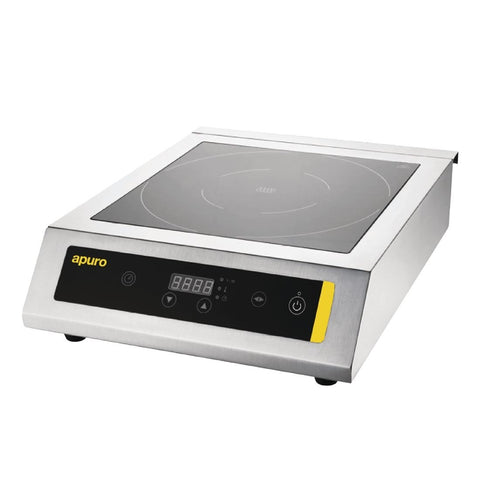

 Apuro Heavy Duty Induction Cooktop 3kW - CP799-A
390(W) x 120(H) x 490(D)mm
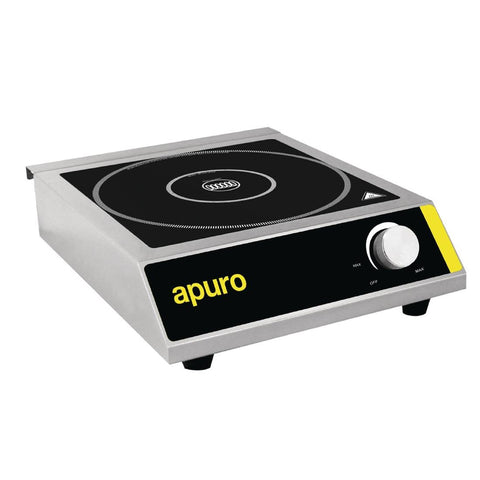
 Apuro Induction Cooktop 3kW - CE208-A
328(W) x 85(H) x 430(D)mm
Gasmax Superfast Natural Gas Tube Fryer - RC500E
534(W) x 759(D) x 1195(H)mm
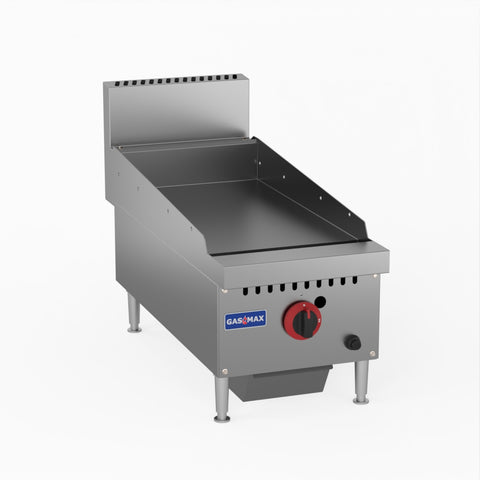
 GasMAX One Burner Lpg Griddle Top - GG-12LPG
336(W) x 824(D) x 546(H)mm

 Gasmax Superfast Natural Gas Tube Fryer - RC400E
394(W) x 759(D) x 1195(H)mm

 FryMAX RC300E Superfast Tube Fryer - Natural Gas/LPG
Gasmax Superfast LPG Gas Tube Fryer - RC400ELPG
FryMAX RC300E Superfast Tube Fryer - Natural Gas/LPG
Gasmax Superfast LPG Gas Tube Fryer - RC400ELPG
394(W) x 759(D) x 1195(H)mm
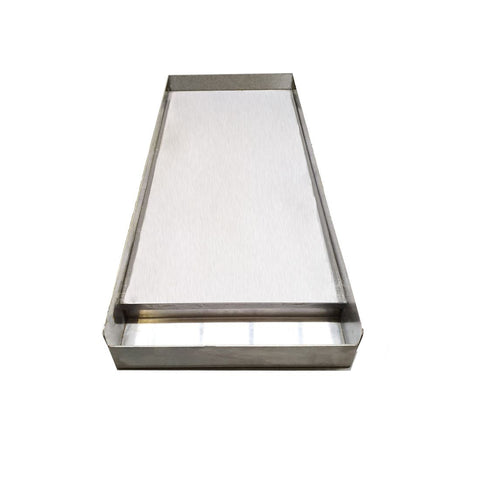
 GasMAX Handy Add-on For Cooktops S-GRDE
300(W) x 730(D) x 80(H)mm


 Benchstar Toaster / Griller Salamander AT-360BE
440(W) x 345(D) x 400(H)mm
440(W) x 345(D) x 402(H)mm
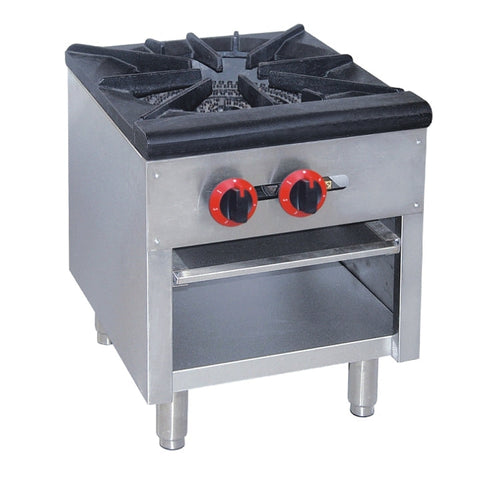
 GasMAX Gas Dual Ring Single Burner Hob RB-1E
463(W) x 676(D) x 497(H)mm
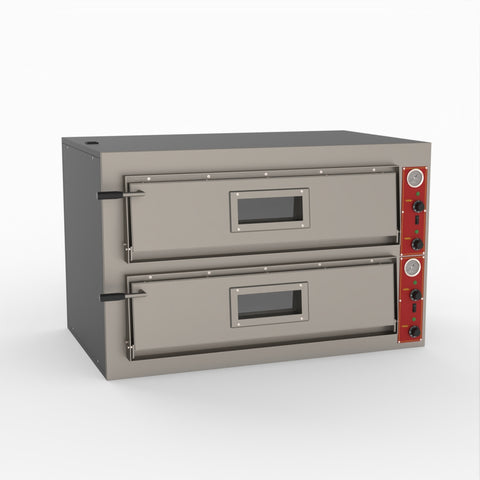

 BakerMAX Black Panther Pizza Deck Oven EP-1-SDE
1190(W) x 826(D) x 775(H)mm
 FryMAX RC500E Superfast Tube Fryer - Natural Gas/LPG
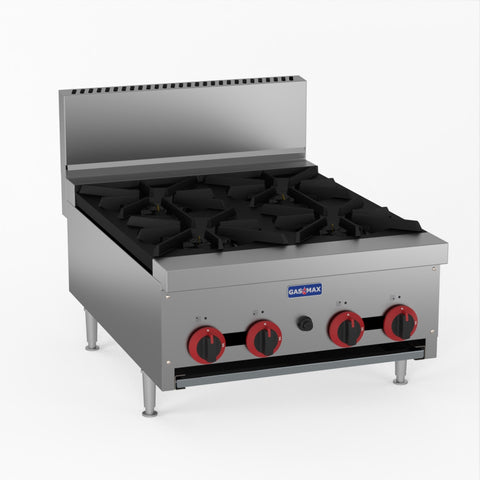
 GasMAX Gas 4 Burner Cook Top - RB-4ELPG
602(W) x 824(D) x 574(H)mm
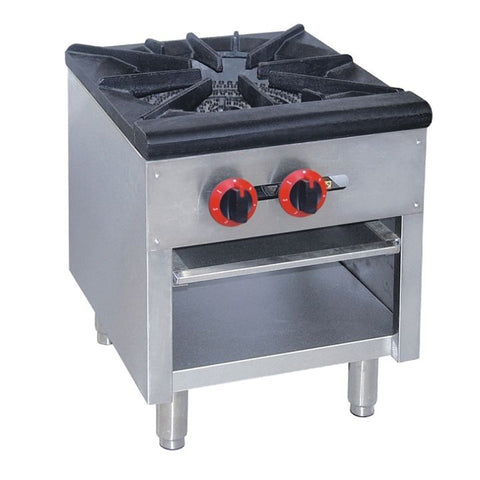
 GasMAX Gas Dual Ring Single Burner Hob RB-1ELPG
463(W) x 676(D) x 497(H)mm
 GasMAX Gas 4 Burner Cook Top RB-4E
602(W) x 824(D) x 574(H)mm

 Anvil Induction Warmer/Cooker - ICW2000
330(W) x 66(H) x 383(D)mm
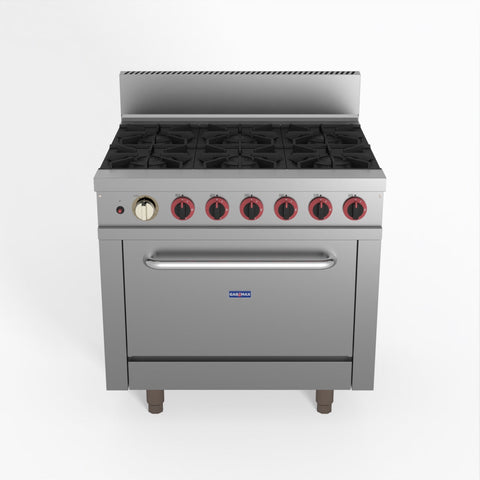
 GasMAX 6 Burner With Oven Flame Failure GBS6TS
914(W) x 855(D) x 1128(H)mm

 Benchstar Single Tank Induction Fryer IF3500S
288(W) x 478(D) x 410(H)mm
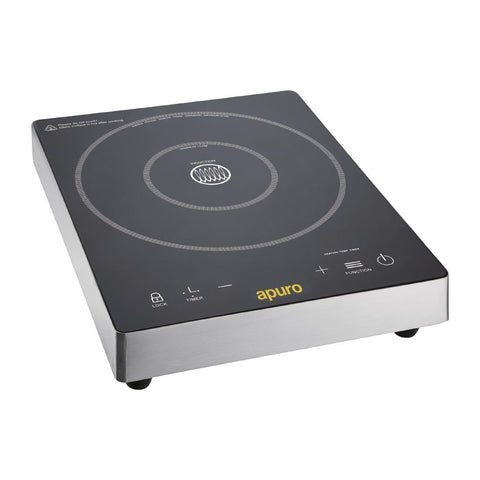
 Apuro Touch Control Single Induction Hob 3kW - DF825-A
338(W) x 84(H) x 418(D)mm
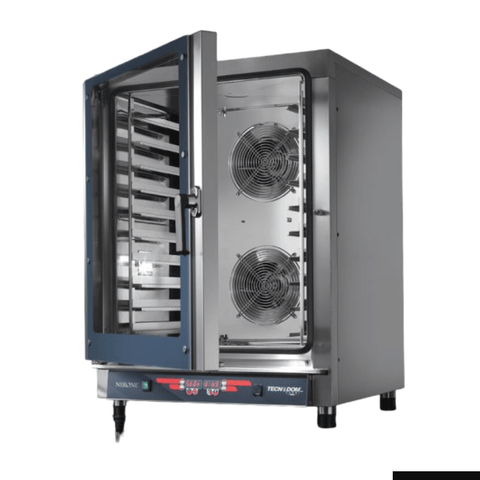

 Tecnodom Icarus Digital Combi Oven 600X400 MM Or GN 1/1 TD-10NE
840(W) x 910(D) x 1150(H)mm

 Gasmax Superfast Natural Gas Tube Twin Vat Fryer - RC400TE
534(W) x 769(D) x 1195(H)mm
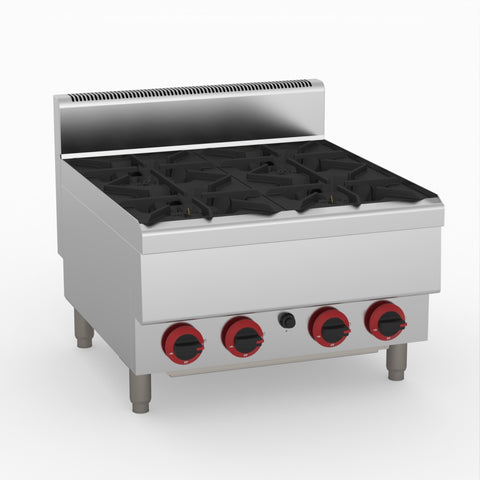
 GasMAX Benchtop Lpg 4 Burner Cooktop W/ Splashback - JUS-TR-4BLPG
605(W) x 652(D) x 538(H)mm
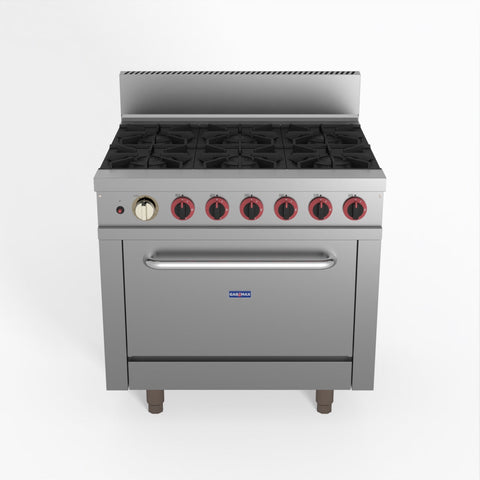
 GasMAX 6 Burner With Oven Flame Failure GBS6TSLPG
914(W) x 855(D) x 1128(H)mm
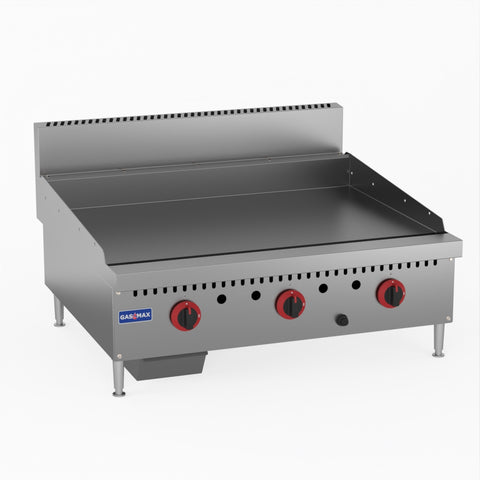
 GasMAX Three Burner Lpg Griddle Top - GG-36LPG
900(W) x 824(D) x 546(H)mm

 Benchstar Toaster / Griller Salamander AT-936E
630(W) x 320(D) x 280(H)mm
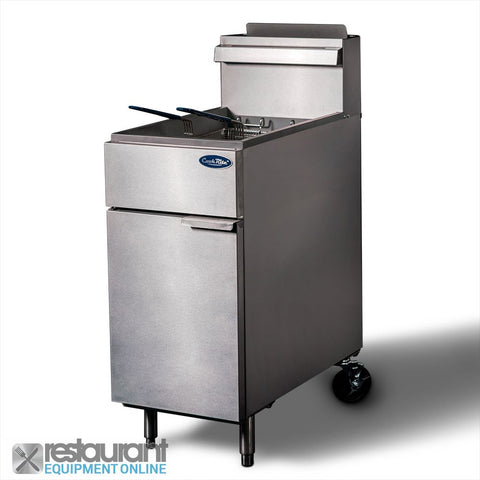

 Cookrite ATFS-40 3 Tubes Gas Deep Fryer - Natural Gas/LPG
395(W) x 765(D) x 1128(H)mm
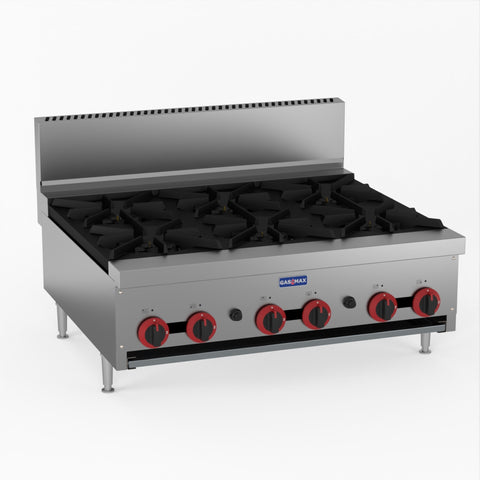
 GasMAX Gas 6 Burner Cook Top RB-6E
902(W) x 824(D) x 575(H)mm
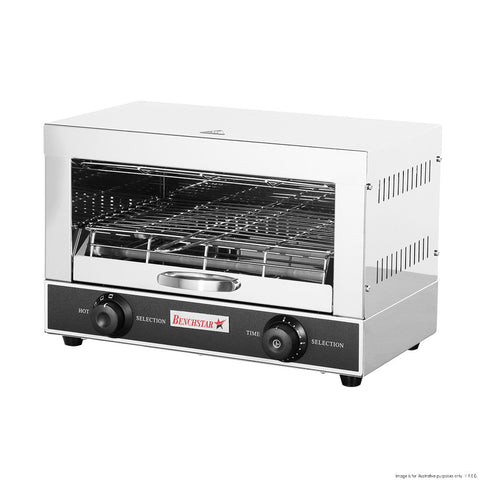
 Benchstar Single Infrared Quartz Element Salamander Griller Toaster And Timer QT-1
440(W) x 245(D) x 285(H)mm
440(W) x 245(D) x 287(H)mm
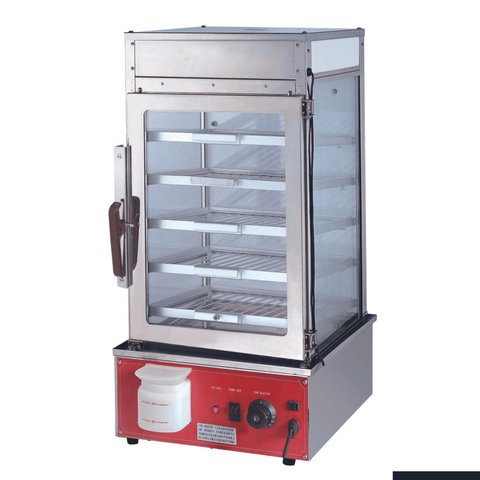
 Benchstar Heavy Duty Electric Steamer Display Cabinet 1.2Kw MME-500H-S
380(W) x 400(D) x 745(H)mm
 Cookrite 84Mj/h 3 Tubes Gas Deep Fryer LPG ATFS-40-LPG
395(W) x 765(D) x 1128(H)mm
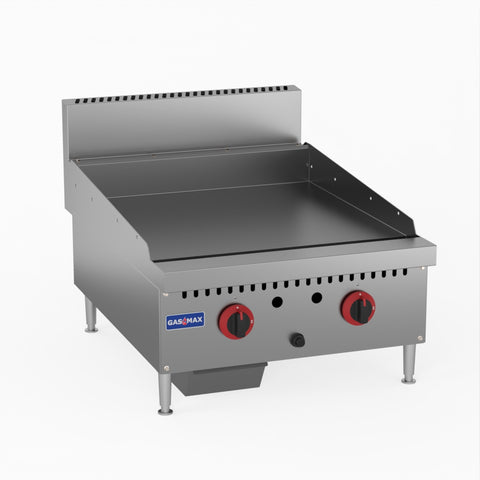
 GasMAX Two Burner Lpg Griddle Top - GG-24LPG
610(W) x 824(D) x 546(H)mm
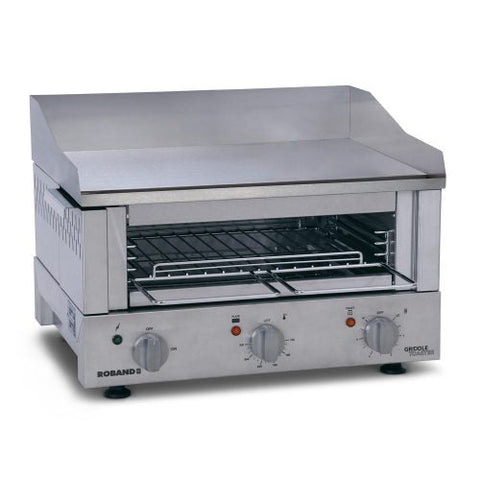

 Roband Griddle Toaster - High Production - GT500
537(W) X 457(D) X 374(H)mm
Cookrite 84Mj/h 3 Tubes Gas Deep Fryer NG ATFS-40-NG
395(W) x 765(D) x 1128(H)mm
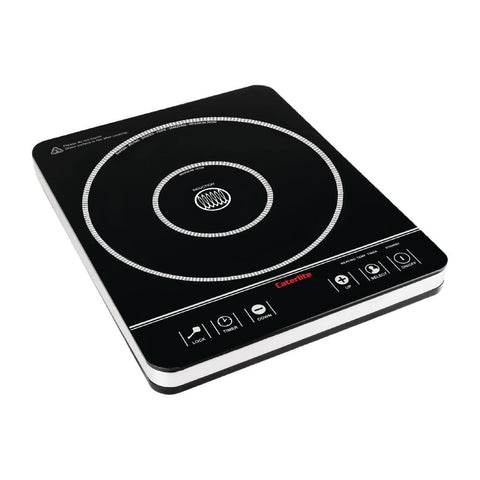

 Caterlite Induction Cooktop 2kW - CM352-A
295(W) x 45(H) x 370(D)mm

 GasMAX Gas 6 Burner Cook Top RB-6ELPG
902(W) x 824(D) x 575(H)mm
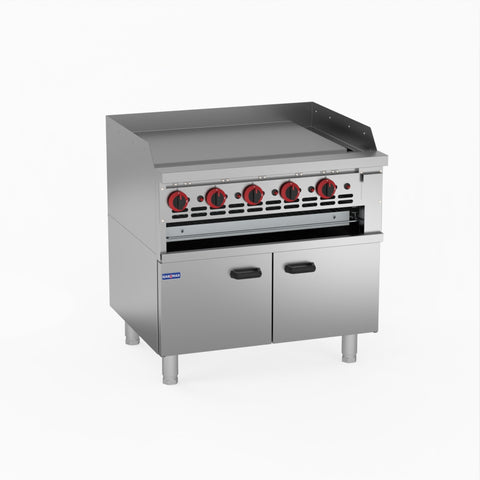
 GasMAX Gas Griddle And Toaster With Cabinet GGS-36LPG
915(W) x 815(D) x 970(H)mm
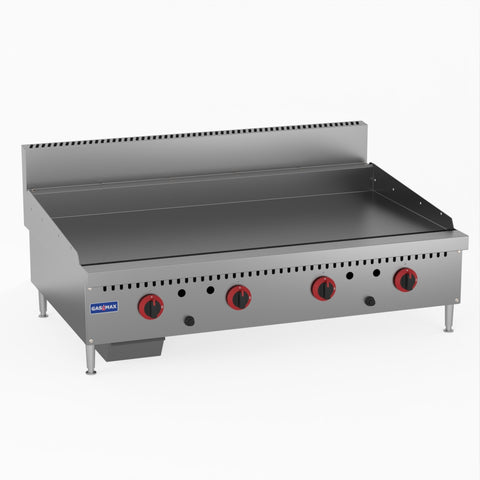
 GasMAX Four Burner Lpg Griddle Top - GG-48LPG
1200(W) x 824(D) x 546(H)mm
 GasMax JUS-TR-4B Benchtop 4 Burner Cooktop w/ Splashback - Natural Gas/LPG
 Anvil Induction Cooker - ICK3500
375(W) x 172(H) x 420(D)mm
 Anvil 8 Bird Chicken Rotisserie - CGA0008
740(W) x 590(H) x 570(D)mm
GasMax GBS6TS 6 Burner With Oven Flame Failure - Natural Gas/LPG

 GasMAX Three Burner Ng Griddle Top - GG-36
900(W) x 824(D) x 546(H)mm
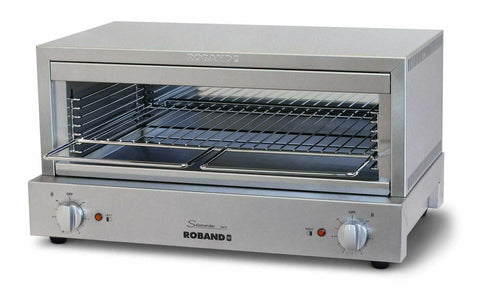
 Roband Salamander, 15 slice - SA15
690(W) X 455(D) X 355(H)mm
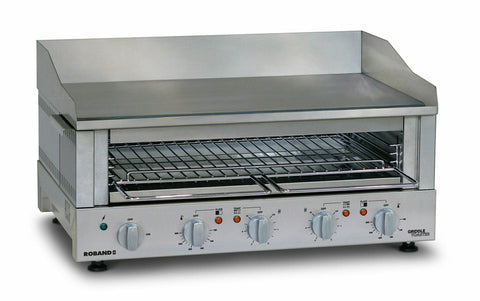
 Roband Griddle Toaster - Very High Production - GT700
725(W) X 541(D) X 374(H)mm

 Tecnodom Nerone Cl Digital 10 Tray Combi Oven TDC-10VH
920(W) x 840(D) x 1170(H)mm
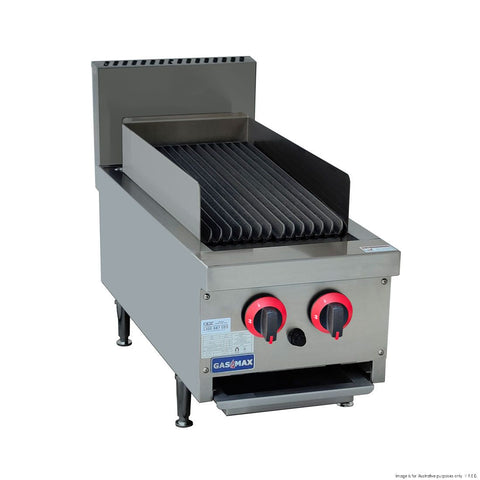 GasMAX Natural Gas 2 Burner Char Grill Top - QR-14E
354(W) x 773(D) x 475(H)mm
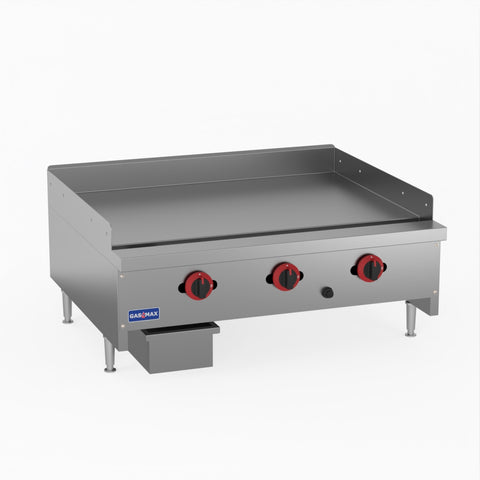
 GasMAX Three Burner Griddle RGT-36E
910(W) x 840(D) x 420(H)mm
 GasMAX Two Burner Ng Griddle Top - GG-24
610(W) x 824(D) x 546(H)mm
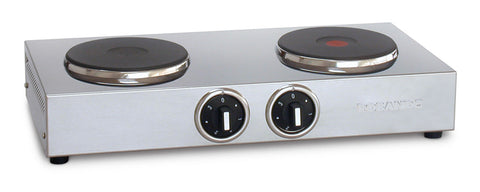
 Roband Boiling Hot Plates 2 x 150mm - 12
510(W) X 265(D) X 105(H)mm
When it comes to cooking, you want equipment that’s reliable, performs well, and gives you the versatility you need to cater to and expand on your menu, and our range of commercial kitchen cooking equipment comes in. With a broad range of options spanning everything from compact benchtop appliances to large options like ovens, deep fryers, pasta cookers and more, no matter what your kitchen looks like, you’ll find what you need here. Explore options suitable for every kind of establishment, whether that’s a compact cafe or food truck to large venues like hotel restaurants or catering businesses.
Shop the range at Restaurant Equipment Online now and transform the way you cook with our collections of top quality appliances from the best brands in the commercial industry. Order today with comprehensive Australia-wide shipping.
Choosing the right commercial cooking equipment should generally start with your menu plan and looking at what you want to be preparing on a regular basis and figure out what kind of equipment you need to deliver that. Next, you’ll also want to calculate what kind of volume you need based on your seating volume and average dining time. From there, you can start a list. If you want to be able to expand on your current menu in the future and experiment more, but also need high capacity, your kitchen will likely benefit from versatile solutions like combi steam ovens that can steam, roast and bake in a single unit, reducing the need for multiple appliances.
If you’re more in the business of fast turnover options, including anything like grilled, charred or fried menu inclusions, you’ll want to look at things like char grills or griddles, and of course deep fryers with a high capacity to handle peak periods. When you’re unsure which commercial ovens, fryers, or grills are best for you or you need help with sizing, please contact the team at REO and we can help you with a personal recommendation.
If you’re refurbishing or building from scratch, getting the layout when it comes to cooking equipment is important. Consider the flow of how food will get prepared, starting with any storage like commercial refrigeration, through to prep zones, finishing with your cooking equipment. It should be arranged in a sequence that minimises backtracking and congestion as much as possible, while also leaving space for staff to move through the kitchen as needed.
Having your oven, grill, or deep fryer near the collection spot for waitstaff is also advisable to make serving faster and reduce the need for too much movement within the kitchen. Equally, you’ll want to make sure you have proper ventilation over your cooking equipment for health and safety to keep your staff more comfortable so installing additional exhaust canopies may be necessary.
Having reliable temperature control and quick heat recovery ensures equipment returns to the optimal temperature you need it to be at even between batches of cooking. This is important in preventing uneven cooking or irregularities in texture and is ideal when you’re getting through a high volume of batches in a short space of time. When it comes to controls, those with a digital thermostat help give you a more accurate reading so you can be confident whatever commercial cooking appliance you’re using is at the right temperature for your needs.
Another feature to look for is having zoned cooking surfaces or multiple options in things like chargrills and griddles, one with a plate and a ridged area for example. This allows you to make multiple items at once, with each having a slightly different finish or texture.
Each has its own benefits and the right one for your commercial kitchen will come down somewhat to preference but also depends on what you’re cooking. Gas equipment is often a chef favourite due to its quick heat response and the fact you can monitor the temperature visually with the flame. When you’re using anything like a grills or wok stations for example, gas is often a popular choice.
When you’re using an electric appliance, you’ll benefit from precise temperature readings and controls and even heat distribution. This makes for an ideal power source when it comes to baking and roasting.
Finally, induction cooking delivers rapid heat-up, is often better in terms of energy efficiency and can help to keep your kitchen a more comfortable temperature. It’s a great choice when you’re cooking on the stovetop a lot, doing anything from sautéing to boiling, particularly in open plan kitchens.
When you switch to a higher powered method of cooking, your ventilation needs will change. If you have appliances that utilise 8kW of power, any deep fryers, or gas appliances, you’ll need proper ventilation though it’s worth checking local legislation to ensure you’re compliant with current health and safety guidelines.
Cleaning and maintenance is important when it comes to delivering the best possible results with your cooking, but also when you’re trying to maximise the return on your investment. Each commercial cooking appliance will have slightly different maintenance requirements and you’ll get all that information in the manufacturer’s guidelines. As a standard, routine daily cleaning like checking filters, sanitising any dishwasher safe parts, and filtering oil for deep fryers is a good place to start. Long term, you should check the connections, do proper boil-outs for your deep fryer, and get periodic servicing for appliances that need more intensive maintenance.
Along with choosing the right kind of commercial cooking equipment, selecting the right capacity matters too. You’ll want to look at features like burner output for things like grills to get an idea of how much power a unit can deliver, with a higher number being better for essential for rapid searing, boiling or high-volume production. Equally, the actual dimensions of the plate area on grills and griddles determines how many portions you can cook at any one time. Oven chamber size and deep fryer well capacity are two other things to look at. For ovens, check if the racks are adjustable so you can rearrange or remove trays as and when needed and for deep fryers, ensure you have enough space for oil volume but make sure you account for displacement when you actually cook your food as well.

We have a special page just for stock that's warehoused in Perth.
Click Here to see all WA stockWhat our customers say about us on Google, and how Google scores our store for things like shipping and returns.
Store scores from Google